
Nature Notes
Featured Article
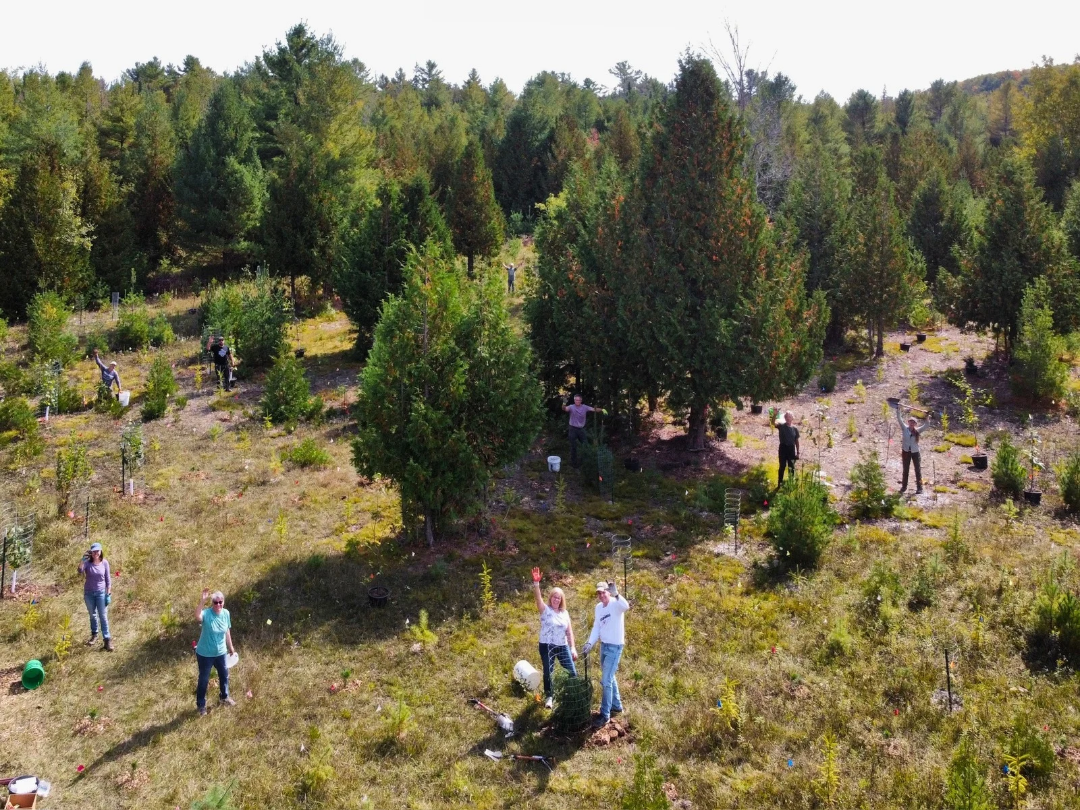
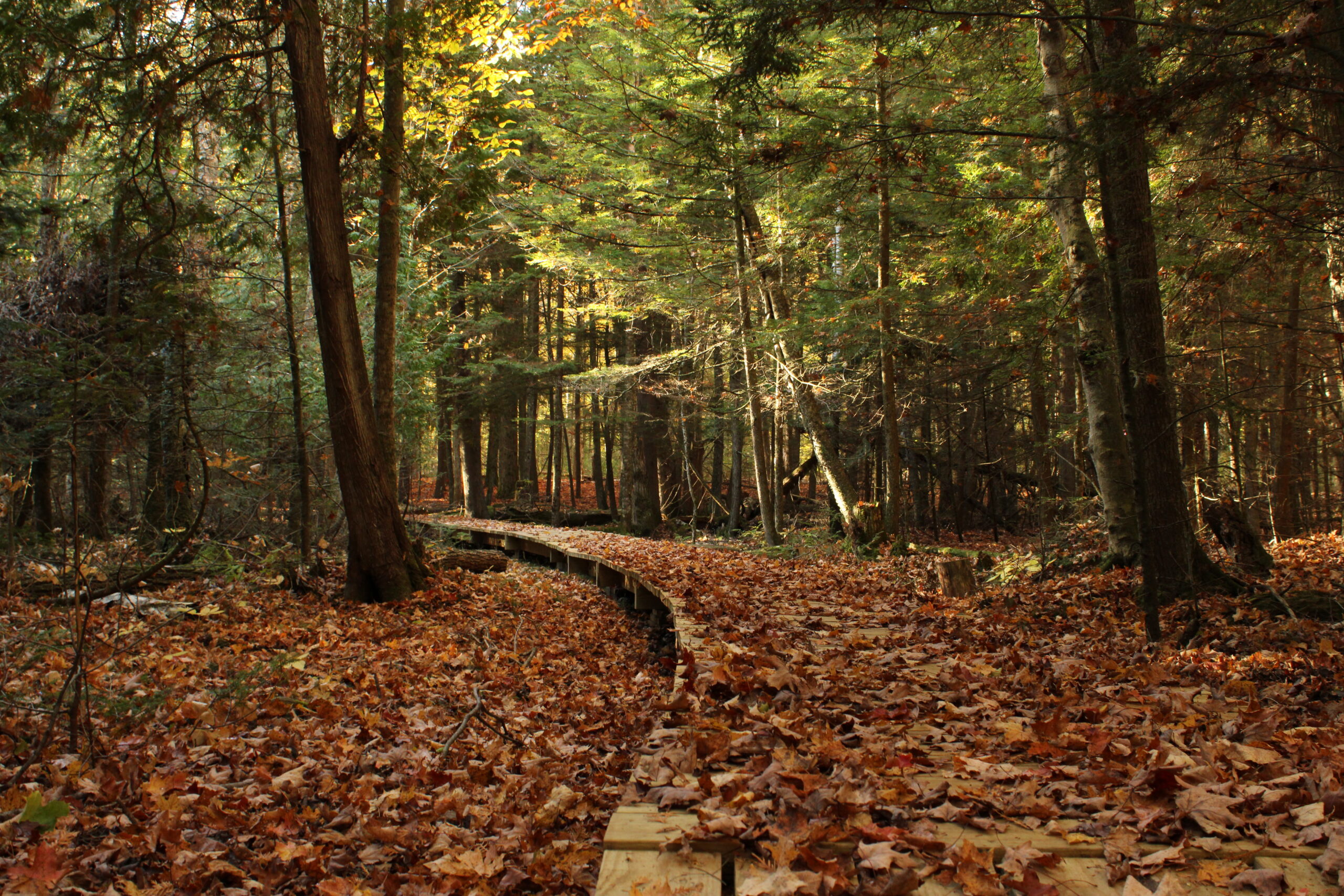
Nature Notes: The Colors of Autumn
October brings sweeping fall colors to most of the Door County peninsula, painting the landscape in bright oranges, reds, and yellows.
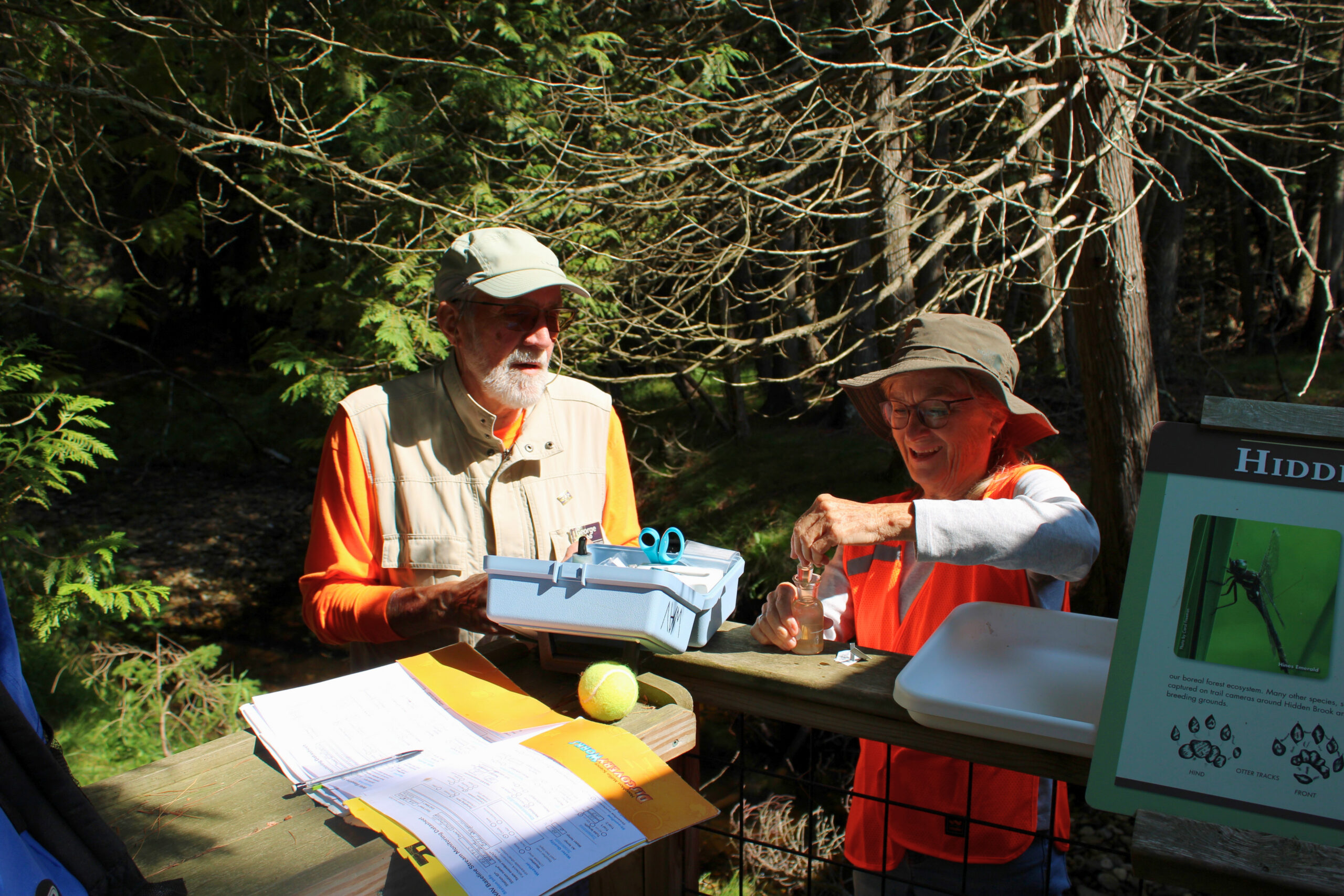
Nature Notes: Citizen Science at The Ridges
Each year, after the Labor Day holiday, The Ridges Sanctuary hosts a Citizen Science Symposium. The symposium is attended by the public, including some who contribute to many of the ongoing research projects in Door County. Many of these so-called "Citizen Scientists" are engaged in the protection of the pristine lands and environment within Door County. One might ask, "What is a Citizen Scientist?" I suggest my working definition is the observations and contributions of public volunteers to ongoing research projects.
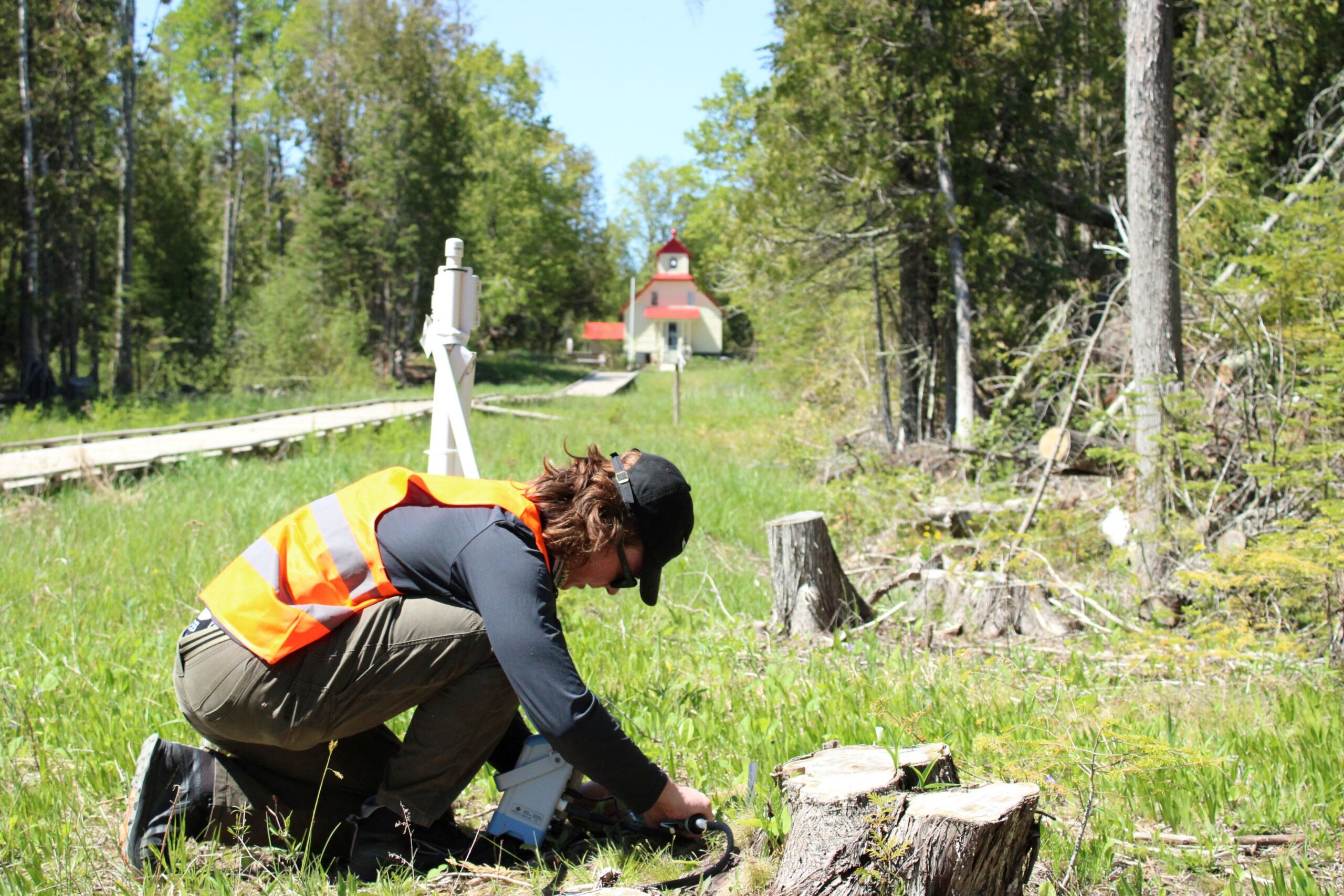
In The News: The Dwarf Lake Iris
As white-nose syndrome devastates bat populations, conservation efforts at The Ridges offer hope for the federally endangered northern long-eared bat.
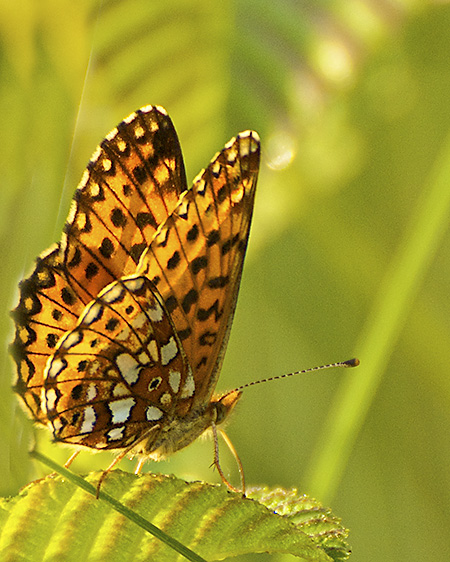
Nature Notes: The Wondrous World of Butterflies & Dragonflies
Butterflies and dragonflies are certainly the most colorful summertime insects here at The Ridges. Many a poem has been composed in honor of these amazing aviators. However, these poems rarely touch on the science behind their life cycle and diet.
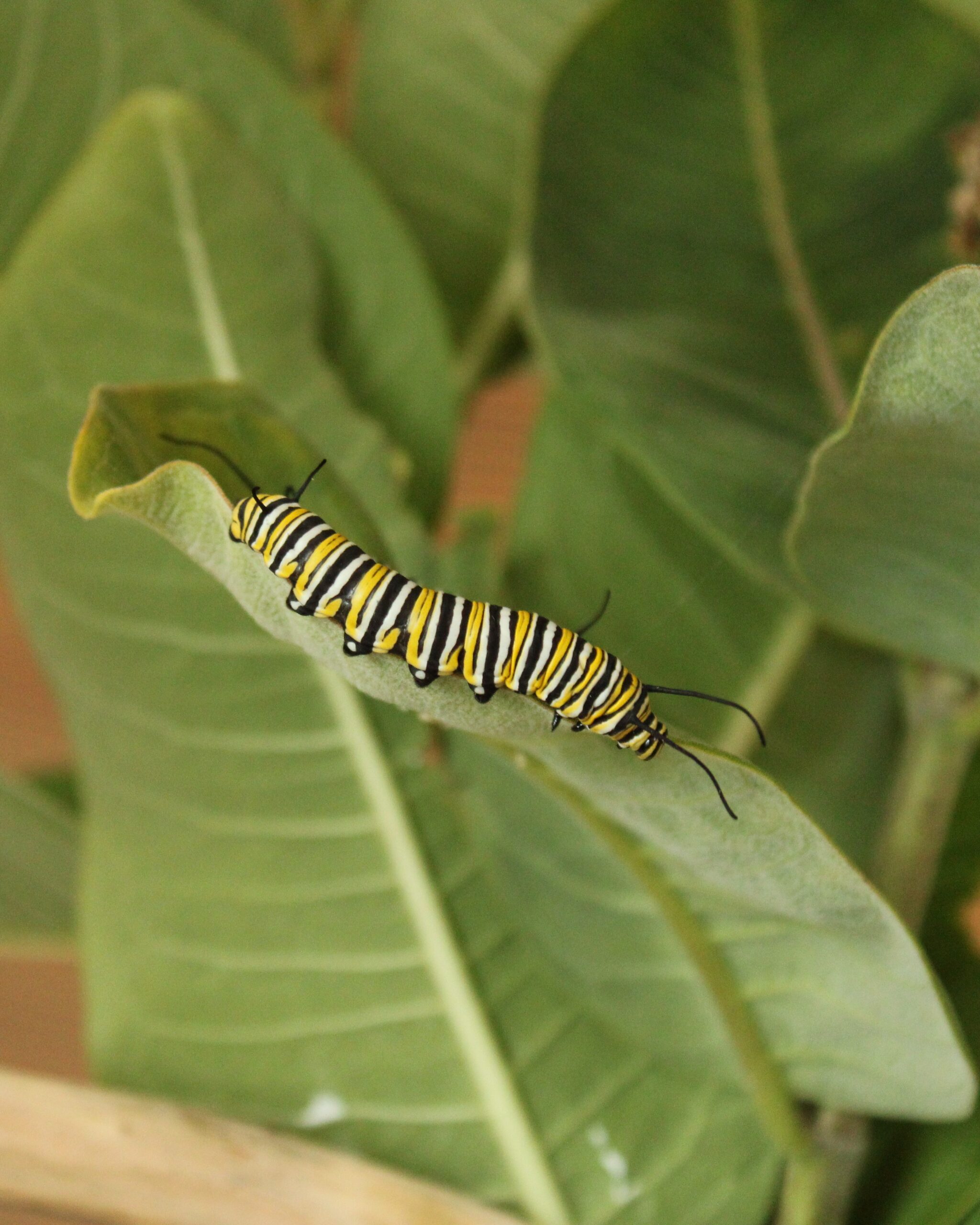
Nature Notes: To Rear or Not to Rear?
Many children experience the wonder of watching a monarch caterpillar grow and change into a beautiful butterfly. Raising monarch butterflies can be a valuable educational tool for teaching children about lifecycles and metamorphosis. It can even inspire a love and appreciation of butterfly species. However, the practice of rearing monarchs can actually be more harmful than helpful to monarch conservation.
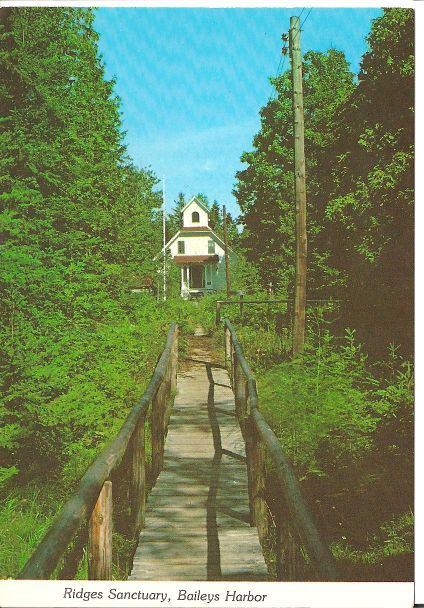
Nature Notes: Why Boardwalks Matter – Protecting Fragile Habitats
If you are a wanderer of The Ridges trail systems, particularly in the ridges and swales, you've probably noted the relatively high number of boardwalks (roughly 25 in total), and the recent progress staff and volunteers have made on replacing ones that have shown their age. Much time and effort are invested in maintaining our network of trails and bridges for a multitude of reasons...
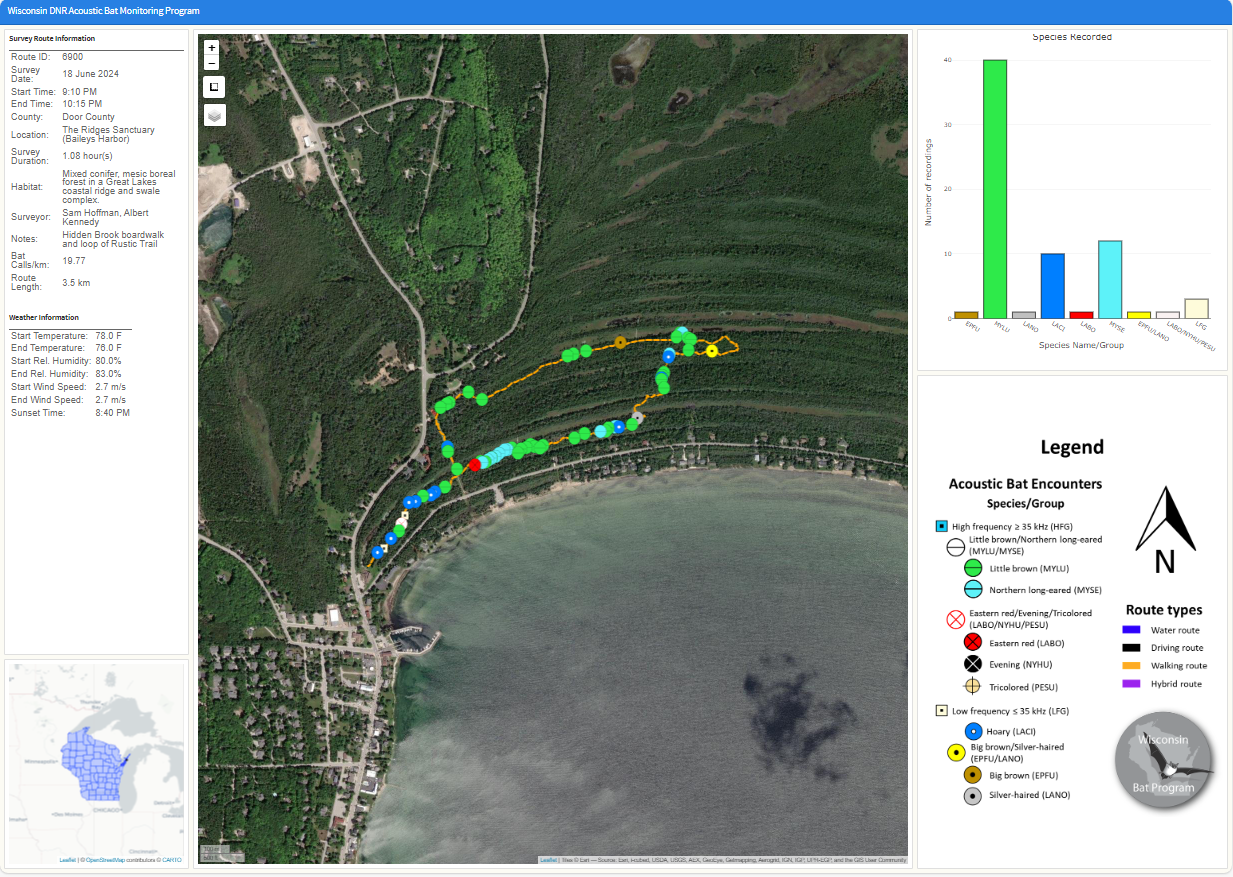
In The News: The Northern Long-Eared Bat
As white-nose syndrome devastates bat populations, conservation efforts at The Ridges offer hope for the federally endangered northern long-eared bat.
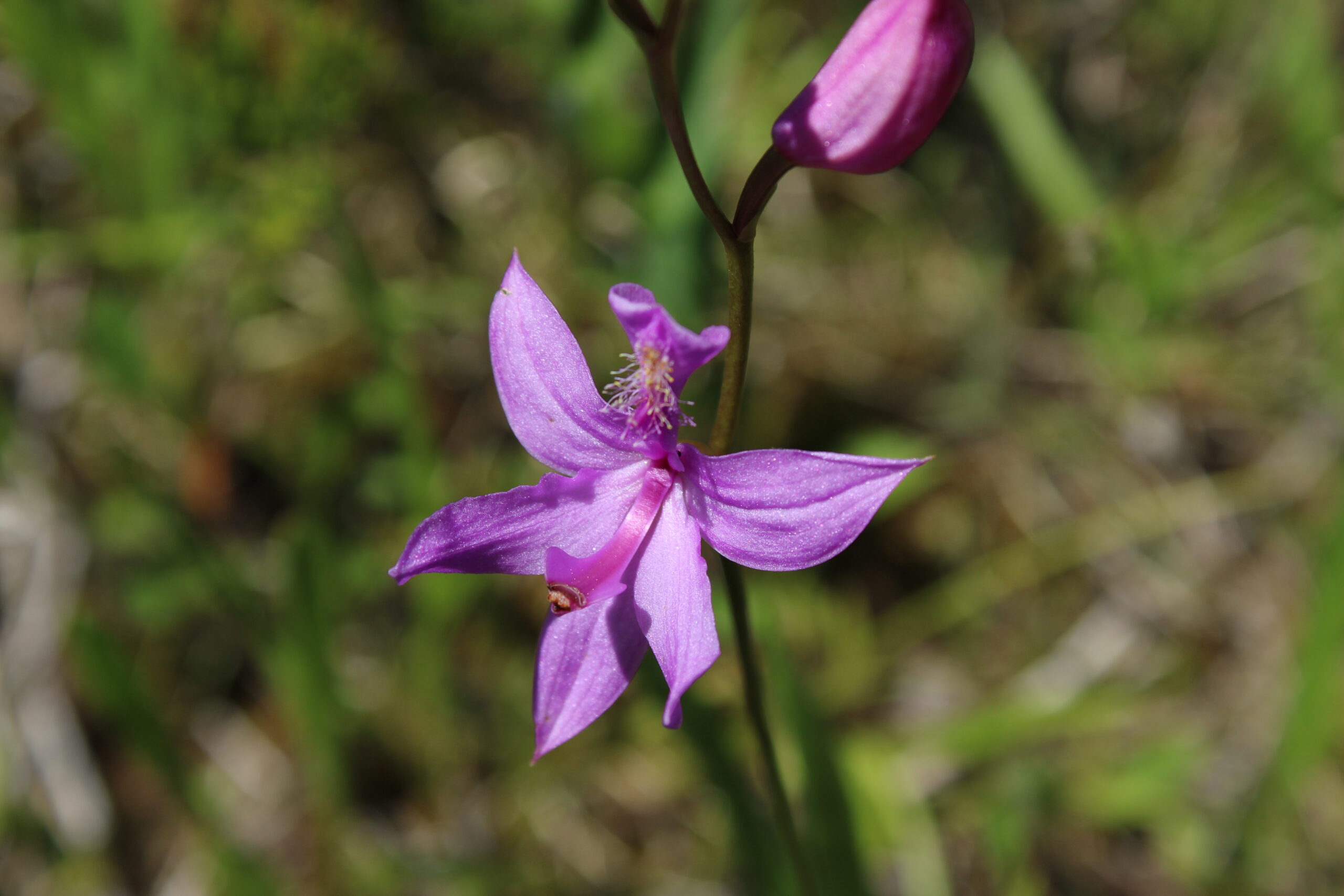
Nature Notes: What Makes an Orchid an Orchid?
“What makes an orchid an orchid?” is a question we hear often at The Ridges Sanctuary. There are several ways to answer it, depending on whether you approach the question through history, biology, or the emotional response these plants seem to inspire.
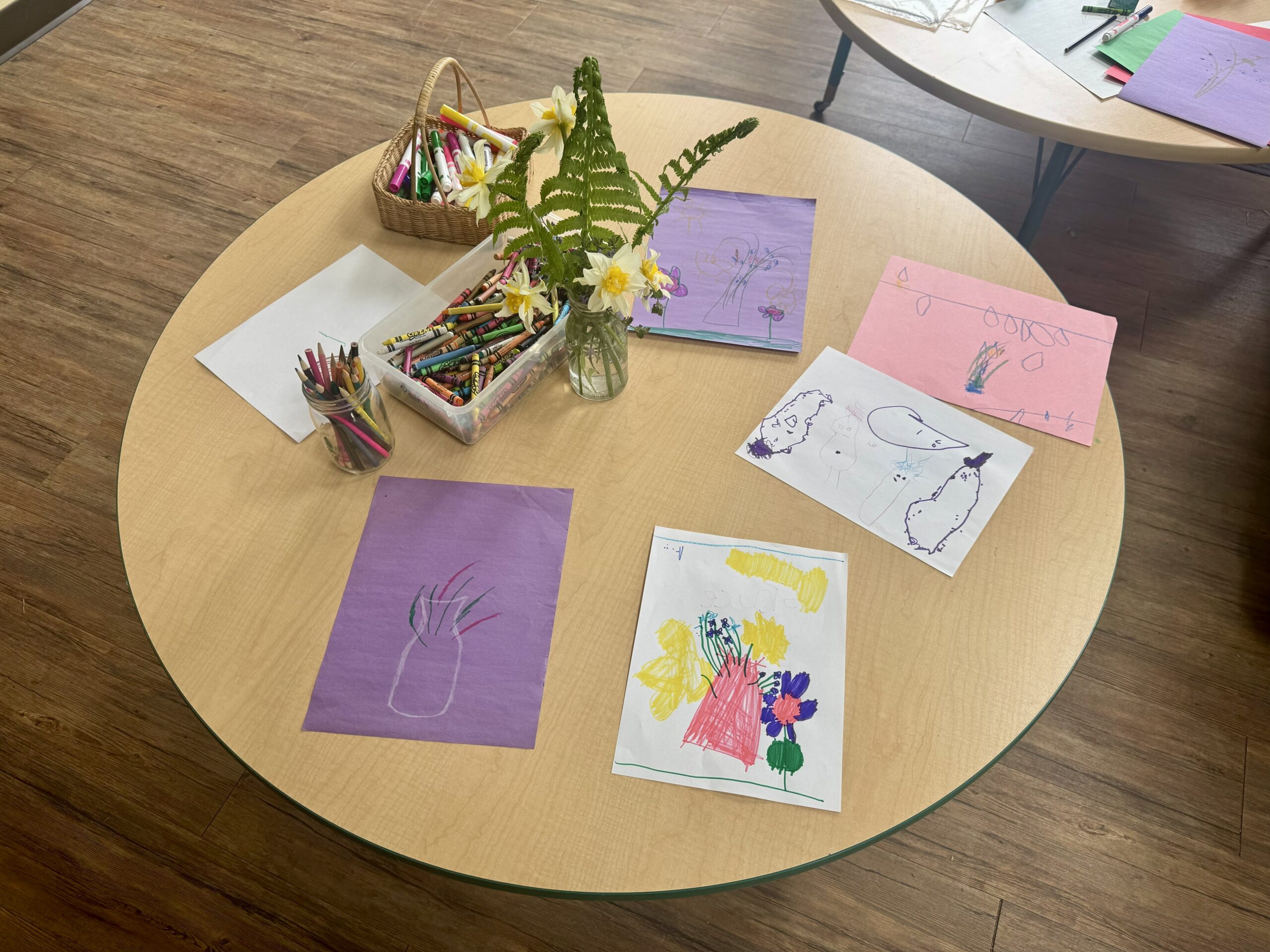
Nature Notes: A Reflection on Dragonfly 4k
WisCorps Environmental Educator Placement Natalie Schnackenberg concludes the school year with a touching reflection on her time co-teaching Dragonfly Nature 4k
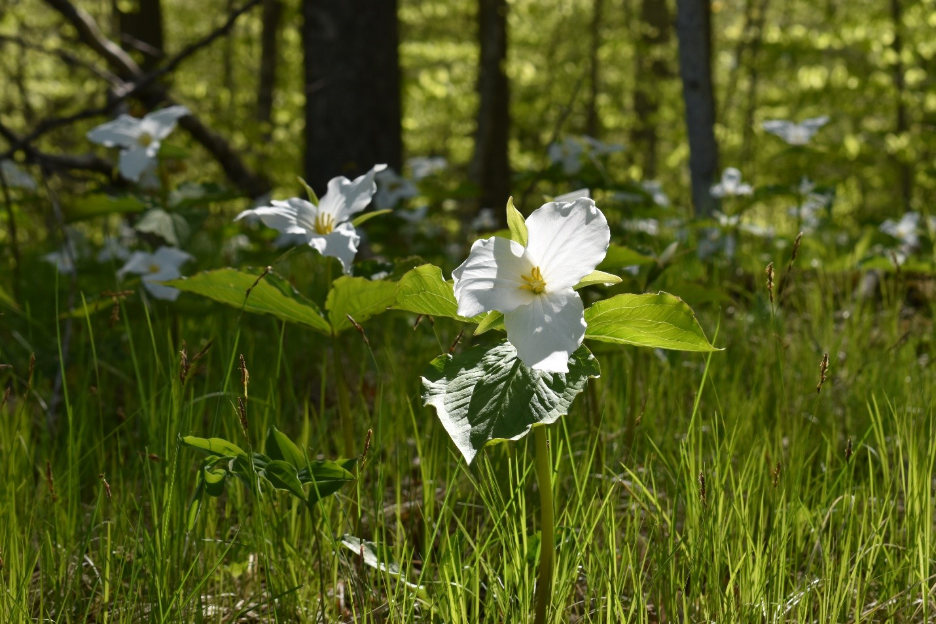
Nature Notes: Spring Flower Walk
Walking in the woods is one of my favorite ways to slow down my mind and be present in the moment. With longer daylight hours and signs of new life, May is a wonderful time to go on an afternoon walk. Unique colors are always the first thing to catch my eye. In the winter it may be lichen, in the fall I notice mushrooms, and in the spring it's the new flowers!
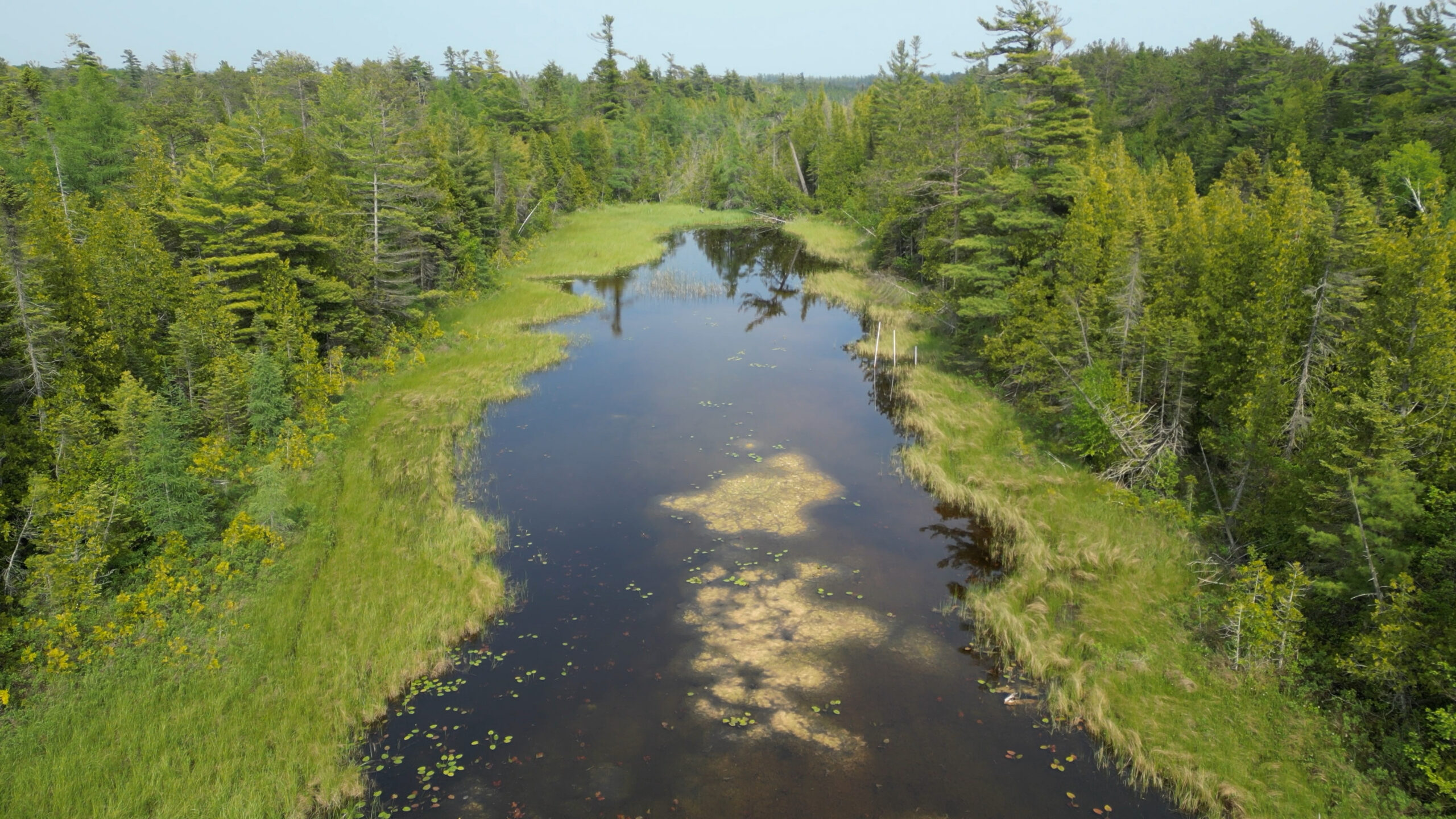
Nature Notes: Protecting Rare Ecosystems
There is specific, restrained electricity in the air at The Ridges Sanctuary during these early weeks of spring. To the casual observer, the forest may still look dormant, but as Land Manager, I see a landscape in a state of high-tension readiness. Rarity, by its very definition, commands our attention—but here, it also commands our awe. At The Ridges, we aren't just protecting a static map of trees and water; we are stewards of a restless, prehistoric, and incredibly rare intersection of life.
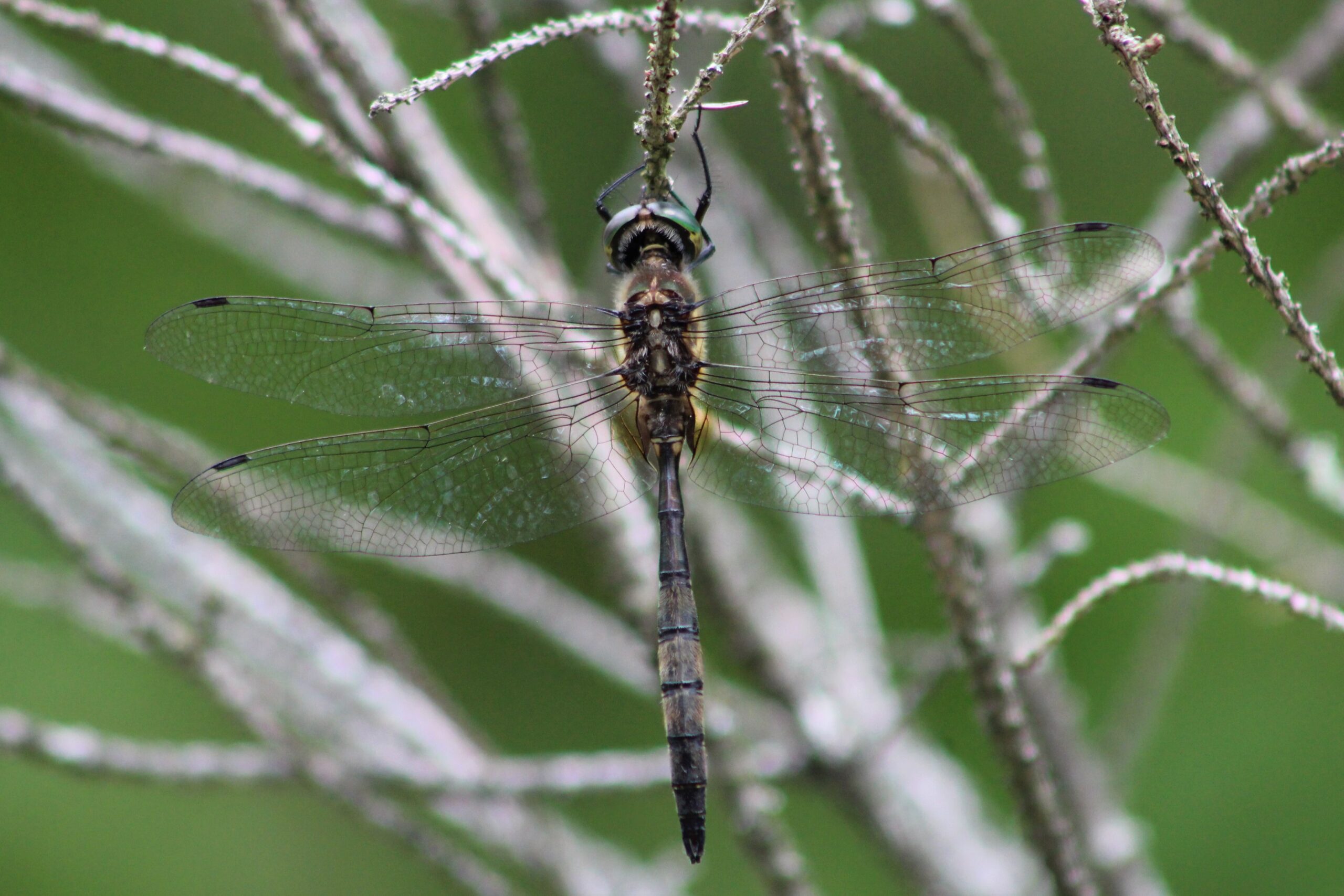
In The News: The Hine’s Emerald Dragonfly
One of the few remaining U.S. populations of the Hine’s emerald dragonfly persists at The Ridges Sanctuary, where conservation and research support its future.
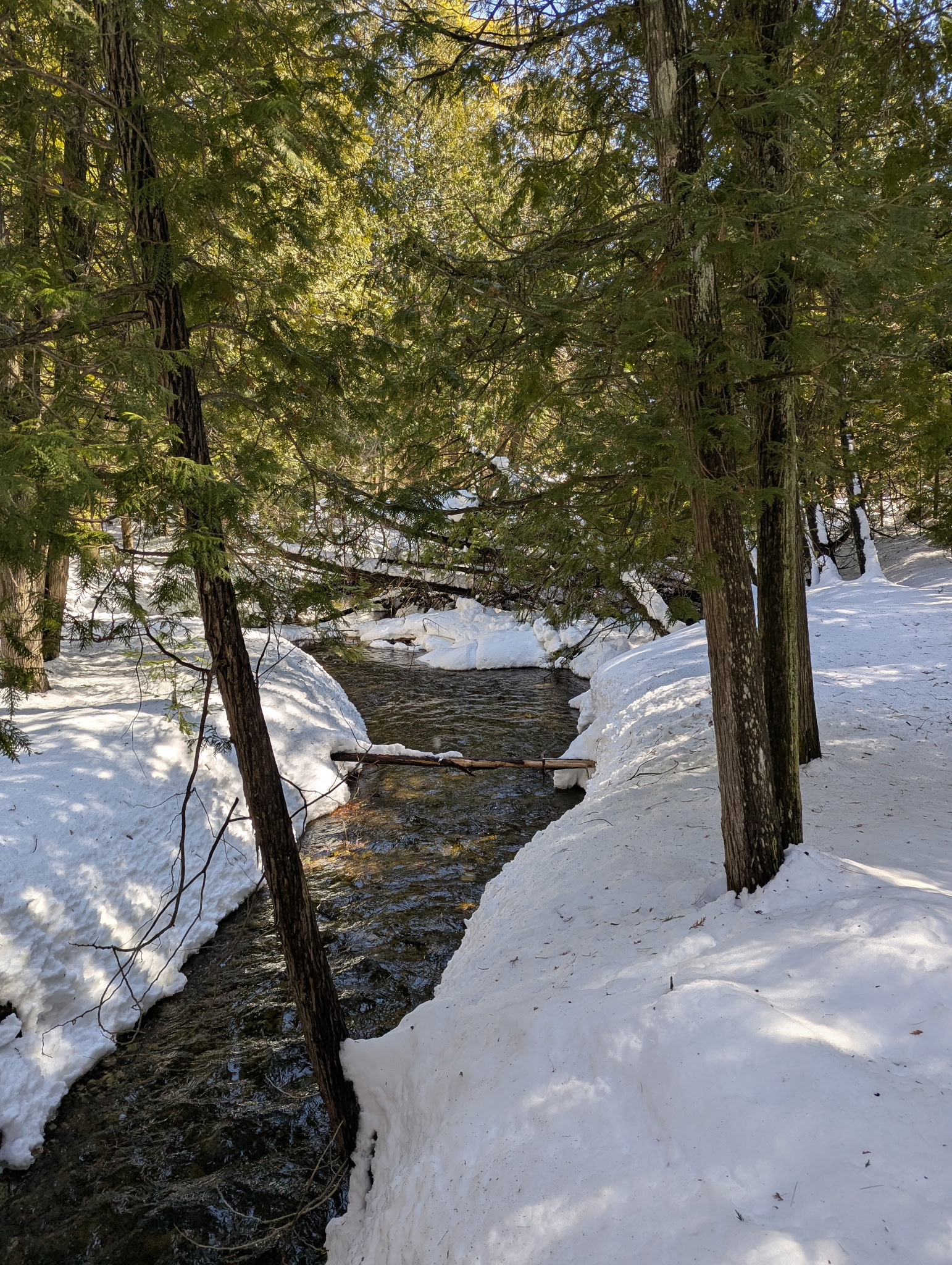
Nature Notes: Spring is Coming!
As the days grow longer and the sun feels a little warmer, it’s tempting to believe spring has finally arrived—until winter reminds us otherwise. Even so, the snow is melting quickly, the ground is beginning to thaw, and daytime temperatures are staying above freezing. Signs of the season are already here: water flowing beneath Hidden Brook, frogs calling on warm afternoons, and sandhill cranes returning overhead. Spring is on its way—winter just insists on one last dramatic goodbye.
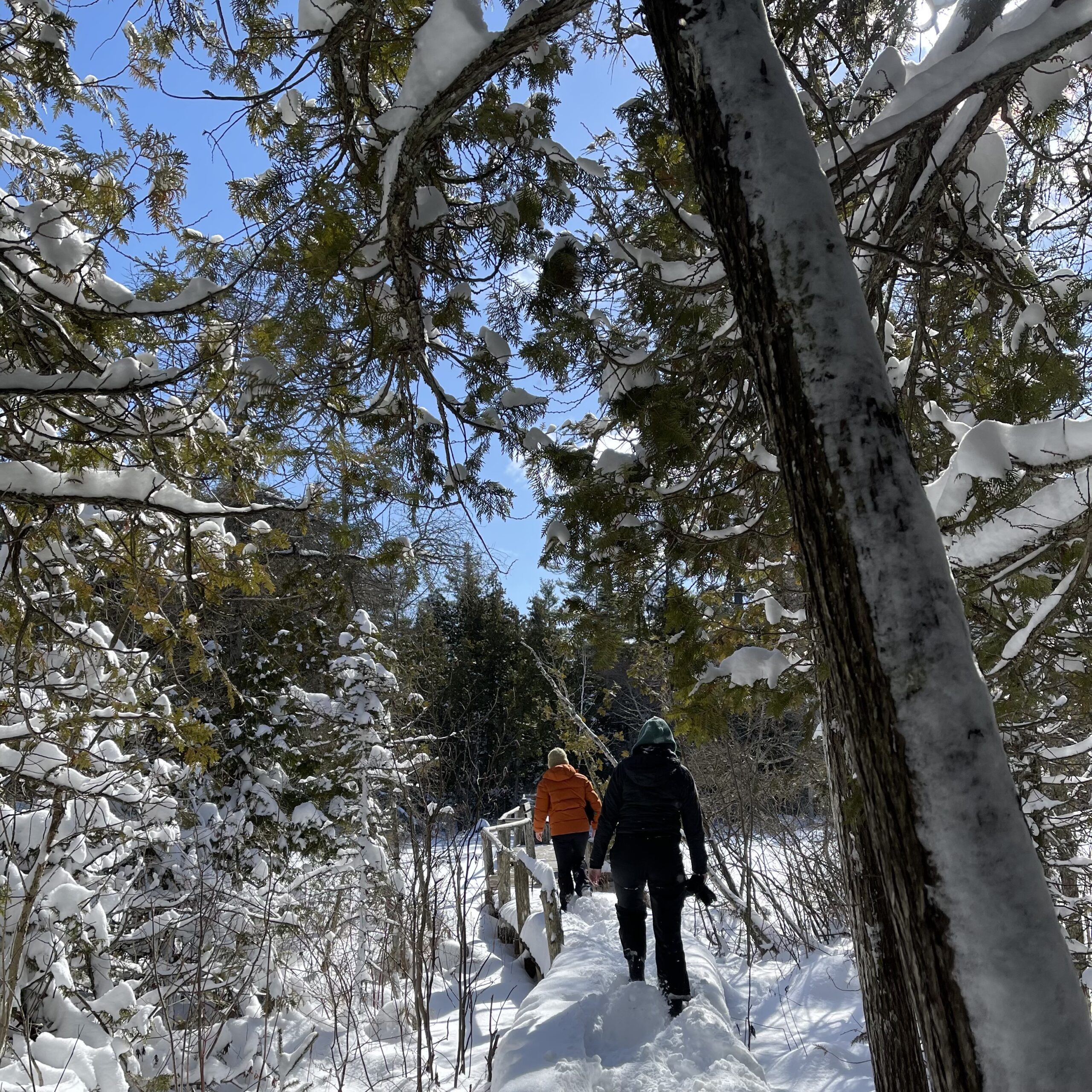
A Year of Gratitude and Thanks
As 2025 comes to a close, we’re reflecting on a year of growth, connection, and inspiring moments at The Ridges. None of it would have been possible without the support of our incredible community. Before we share some highlights, we want to say thank you—for being part of our journey and making this year so memorable.
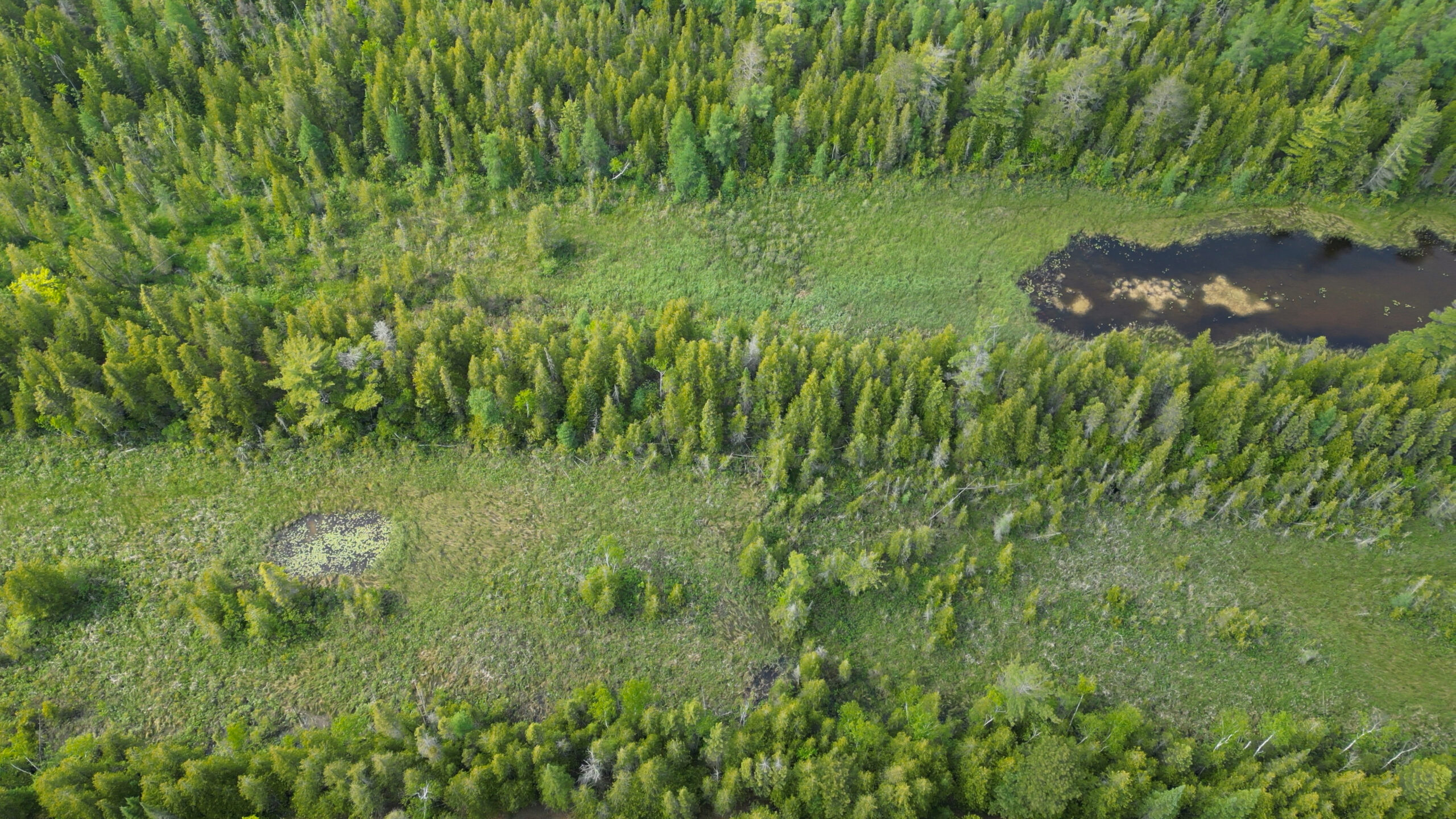
The Swale Tale
The Swale Tale: How an unusual Door County landscape is helping researchers learn how Great Lake water levels affect groundwater and forests in coastal areas. Because of the incredible diversity […]
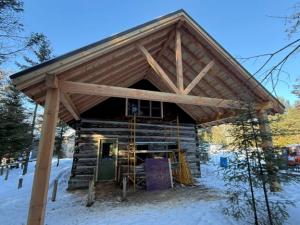
The Ridges Sanctuary Celebrates Year-Round Upgrades and Looks Ahead to New Volunteer Workshop
The Ridges Sanctuary Celebrates Year-Round Upgrades and Looks Ahead to New Volunteer Workshop “Phase Zero” demonstrates The Ridges’ commitment and capacity to implement its award-winning Master Plan. by Andy Gill, […]
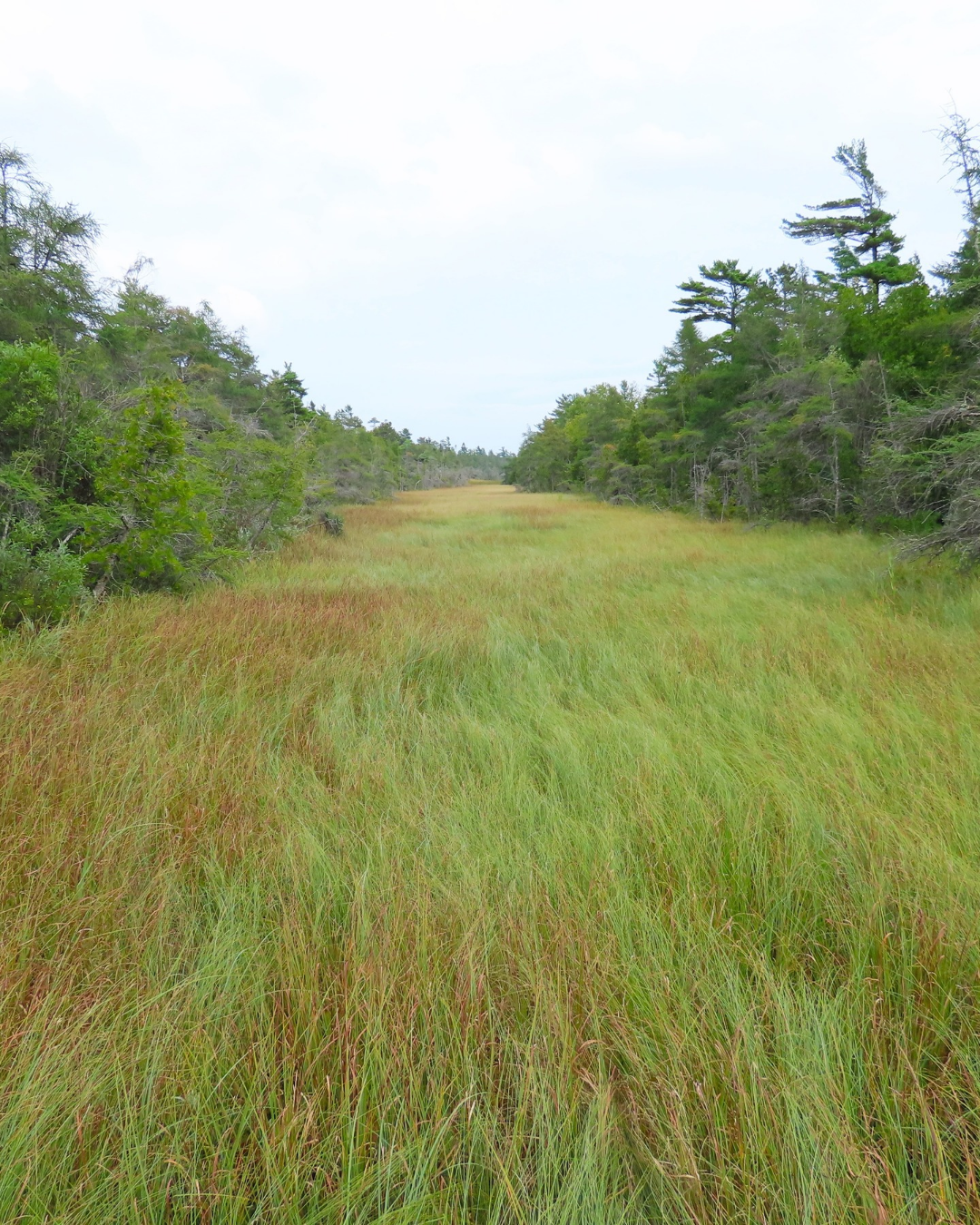
Summer Project Spotlight: Our Wetland Ecosystem – An Overview of The Ridges Sanctuary’sWetland Habitat in the Past, Present, and Future
Summer Project Series 2026: The following is a Summer Project completed by Jackie Lanear, a 2026 Summer Environmental Educator at The Ridges Sanctuary. Jackie is from Madison, WI. and is currently […]
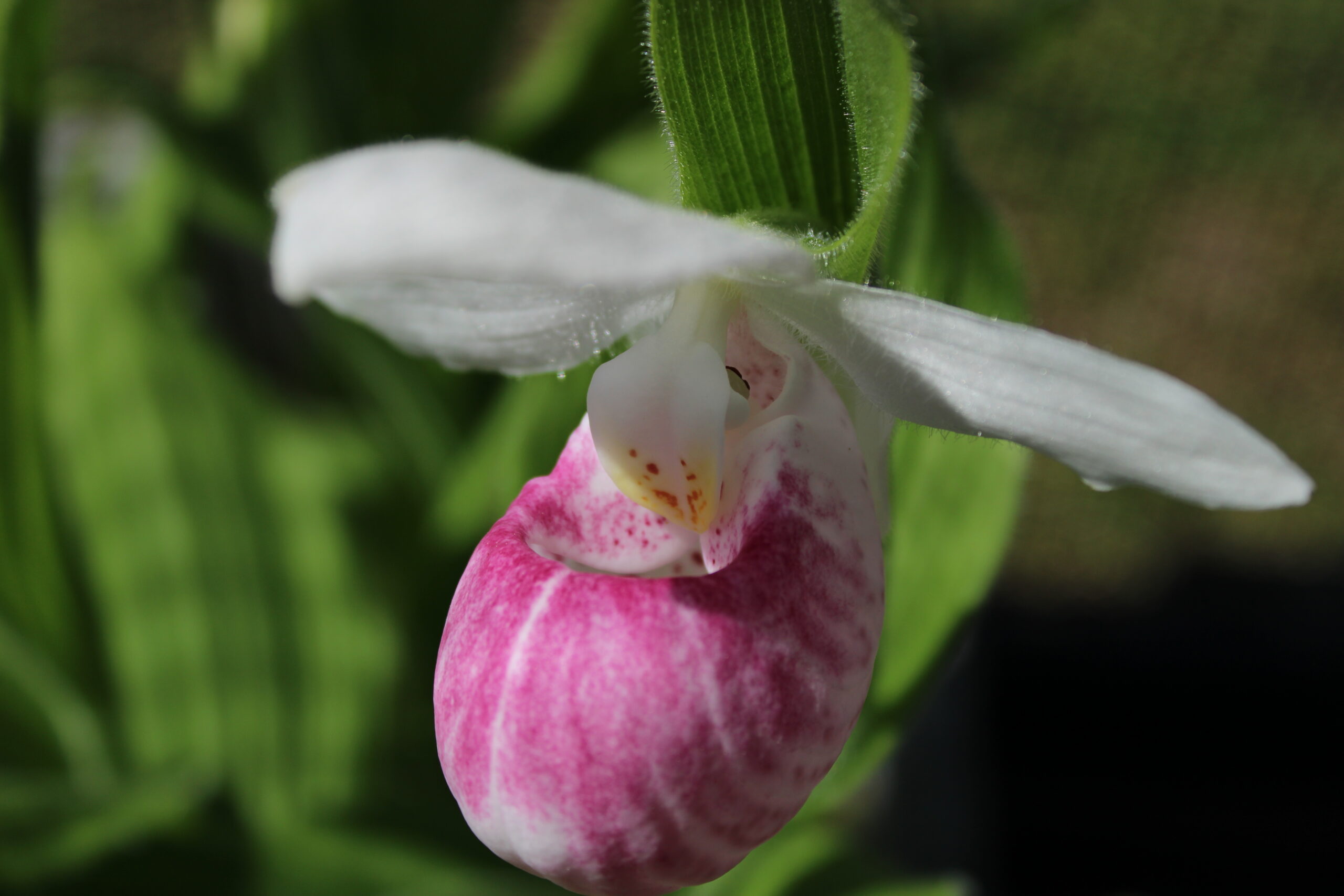
Flowers and Fungi of The Ridges
Flowers and Fungi of The Ridges Summer Project Series 2026: The following is a Summer Project completed by Clara Hills, 2026 Summer Environmental Educator at The Ridges Sanctuary. Clara is […]
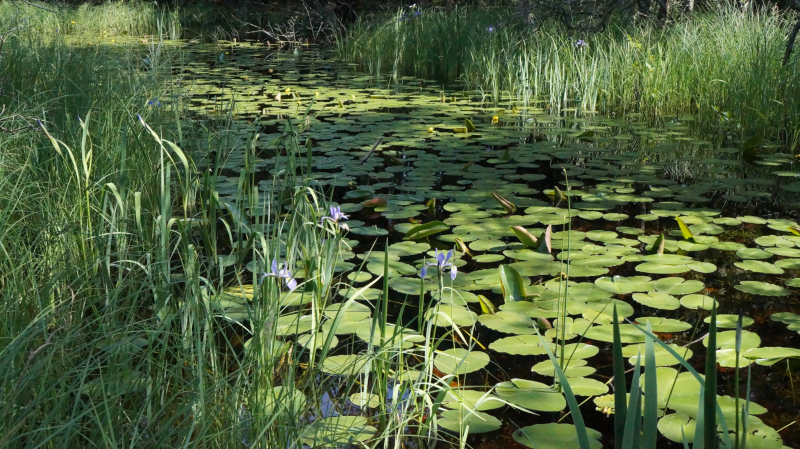
Interconnectedness at The Ridges Sanctuary
Interconnectedness at The Ridges Sanctuary Summer Project Series 2026: The following is a Summer Project completed by Jackson Graham, a 2026 Summer Environmental Educator at The Ridges Sanctuary. Jackson graduated from […]
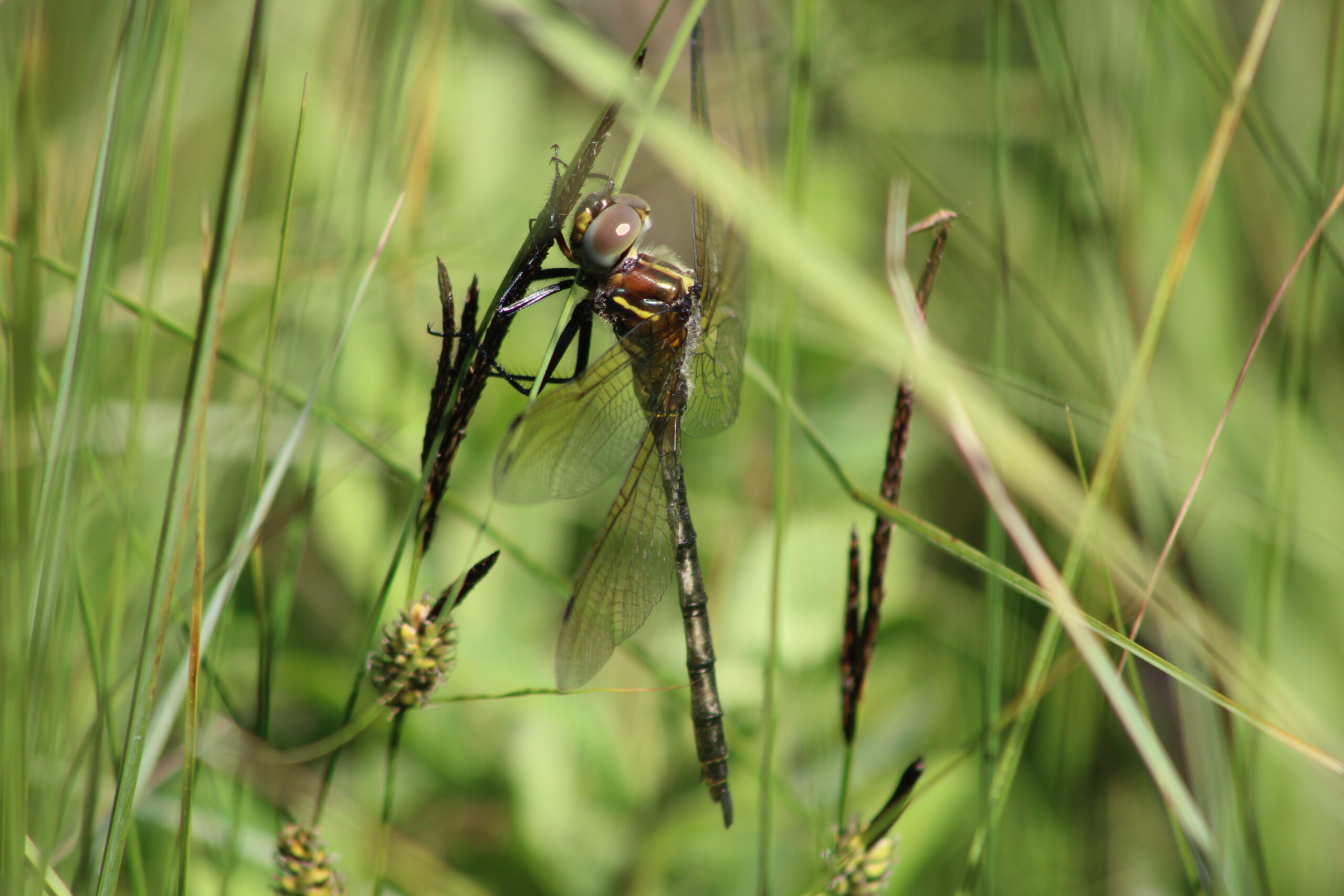
Dragonflies at The Ridges Sanctuary
Dragonflies at The Ridges Sanctuary Summer Project Series 2026: The following is a Summer Project completed by Thomas Scharrenberg, 2026 Summer Naturalist at The Ridges Sanctuary. Thomas is from San […]