
Sustainability
LEED Certification
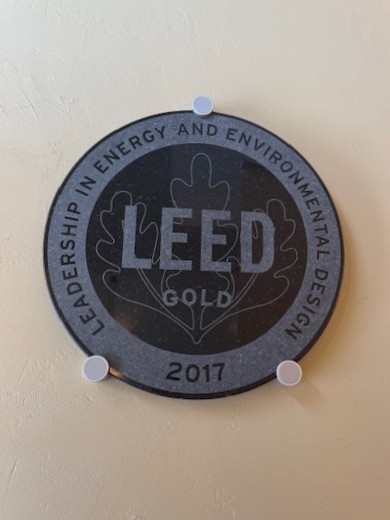
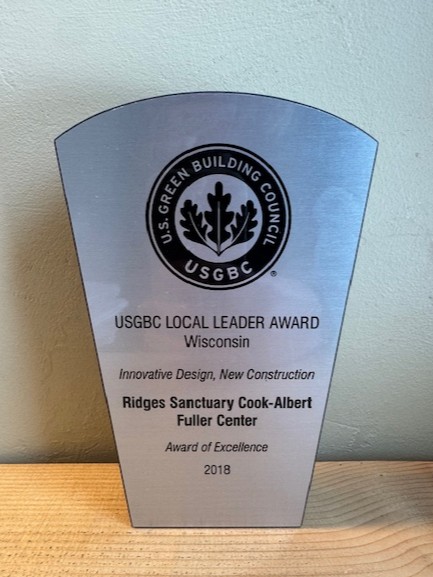
Did you know our Cook-Albert Fuller Nature Center was the first Leadership in Energy and Environmental Design (LEED) certified building in Door County? LEED certification is a globally recognized symbol of sustainability achievement in building design, construction, and operation developed by the U.S. Green Building Council (USGBC).
According to their website, LEED promotes a whole-building approach to sustainability by recognizing performance in five key area of human and environmental health: sustainable site development, water savings, energy efficiency, materials selection and indoor environmental quality. The LEED Rating System provides the building industry with consistent, credible standards for what constitutes a green building.
We are pleased to report that we received a Gold level rating, the second highest possible. Some of the components that went into our rating include high-efficiency flush fixtures and low-flow fixtures for water efficiency, saving almost 45,000 gallons of water per year and reducing our water use by 56% as compared to similar buildings. Construction materials, office furnishings, restroom separators, and cabinetry are all recyclable or contain recycled content. We selected locally harvested and manufactured materials whenever possible. Natural light illuminates the center, while occupancy sensors are installed to turn off the high-performance and low-energy lighting when an area is not in use. Windows also use window film to prevent bird strikes and conserve energy.
Geothermal Heating & Cooling
Another aspect of our LEED rating was the efficiency of our building’s heating and cooling systems. Geothermal systems use the naturally renewable temperature of the earth – approximately 55 degrees — to both heat and cool. Our geothermal is a closed loop vertical system, ideal for areas where space is limited or where rock is very close to the surface.
Our Nature Center’s system consists of 3 residential heat pumps, 10 wells buried at 300 feet, and several loops. The system circulates fluid through these underground loops. In the winter months, the fluid absorbs the heat from the earth and circulates it back to the building where it passes through a heat pump that converts and distributes the heat through the building. During the summer, the fluid absorbs heat from the building. The loops then pump the fluid so the earth can absorb the heat and cool it on its journey through the system.
Geothermal heating and cooling systems use 25 – 50% less electricity than conventional methods and require less surface area. Our building’s total energy savings upon construction was almost 50%, with the highest return coming from the geothermal system and increased insulation. While the upfront cost of geothermal systems is higher than conventional methods, their life span can be as long as 50 years.
We Went Solar!
Check out our Live Solar Dashboard at this link!
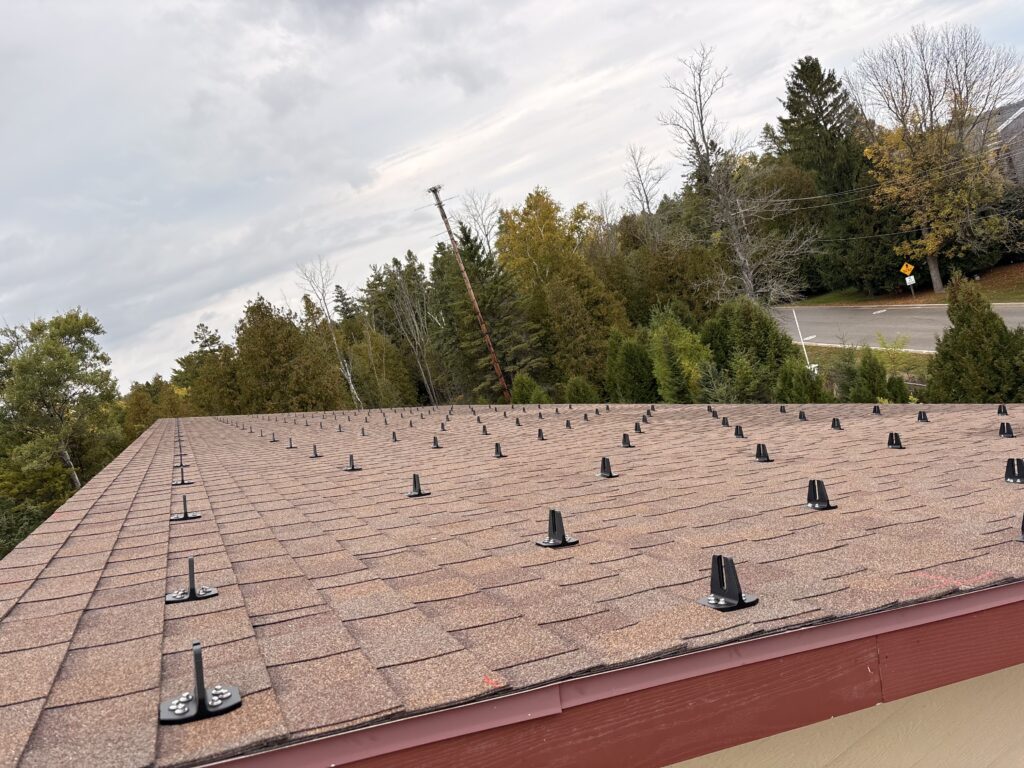
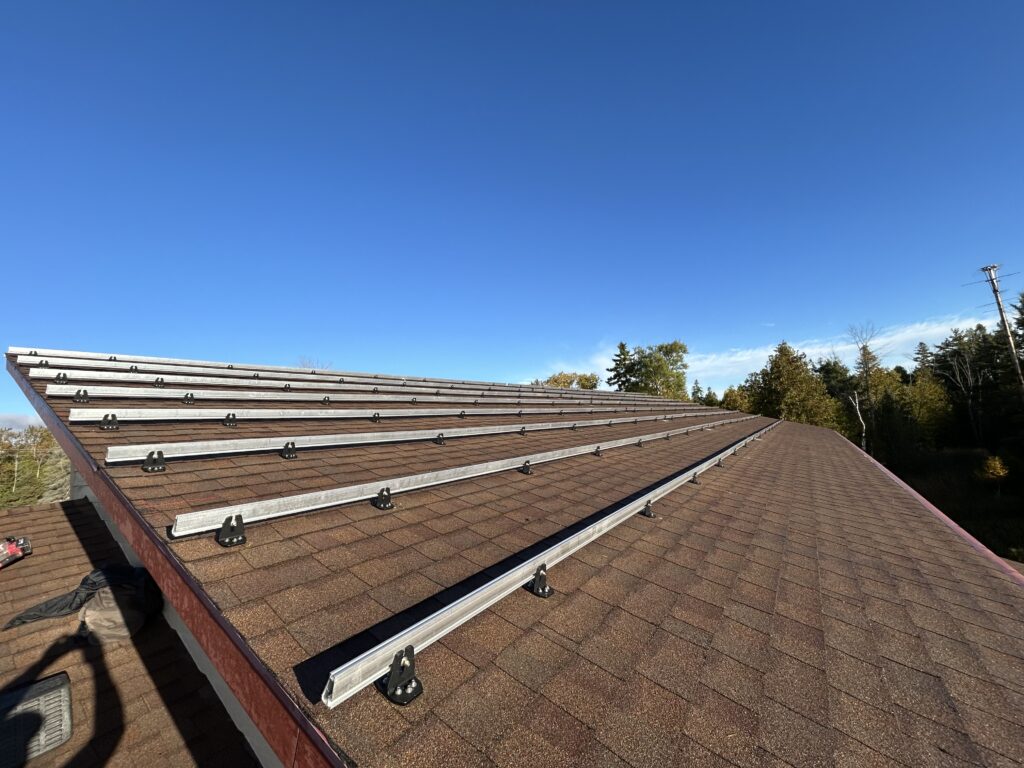
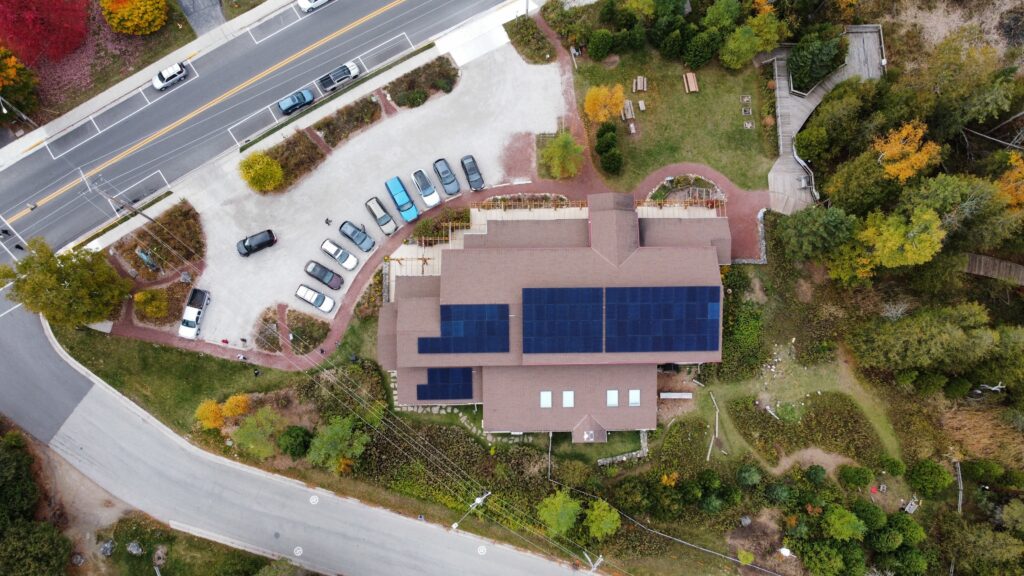
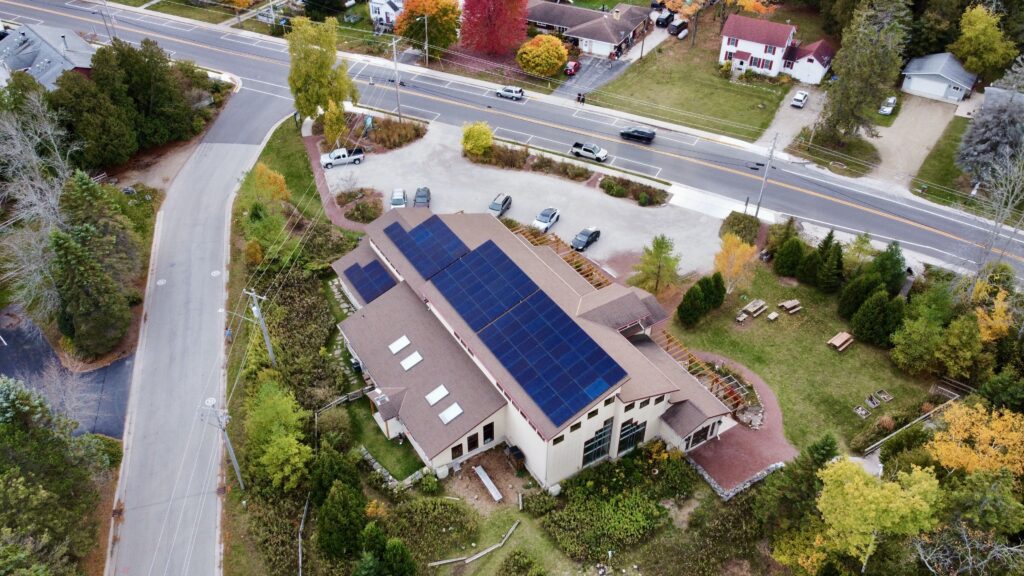
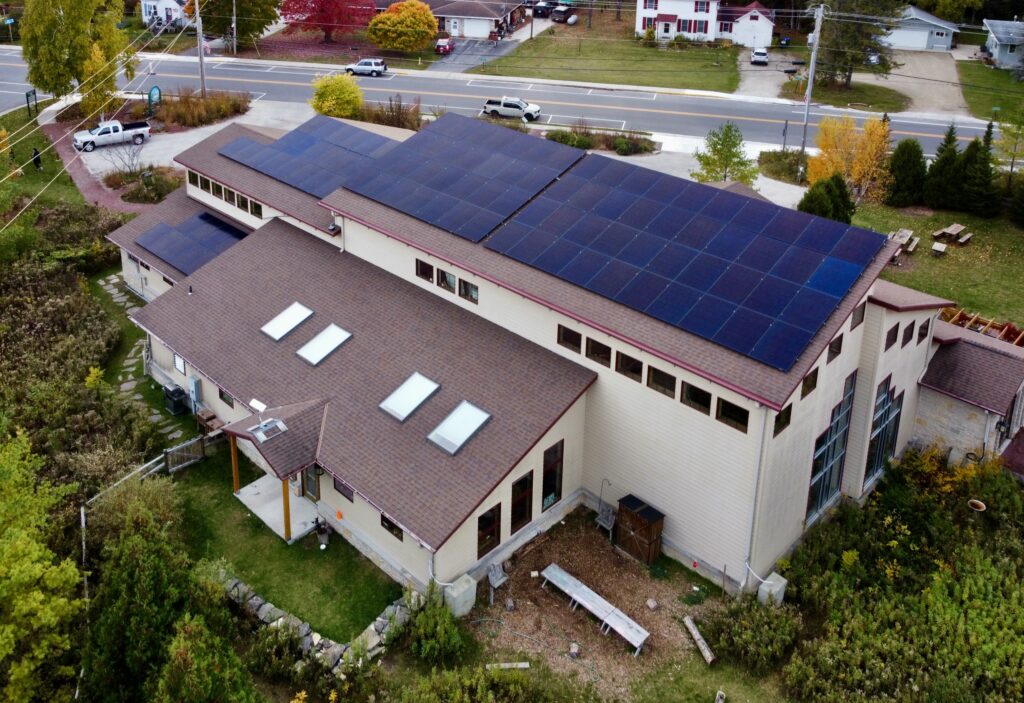
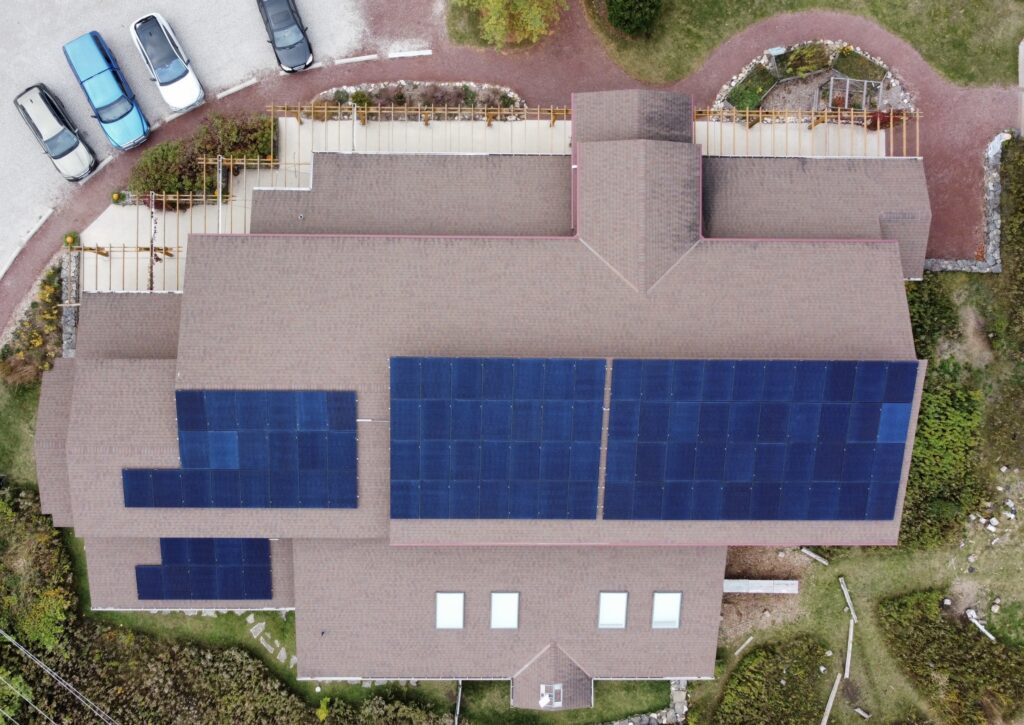
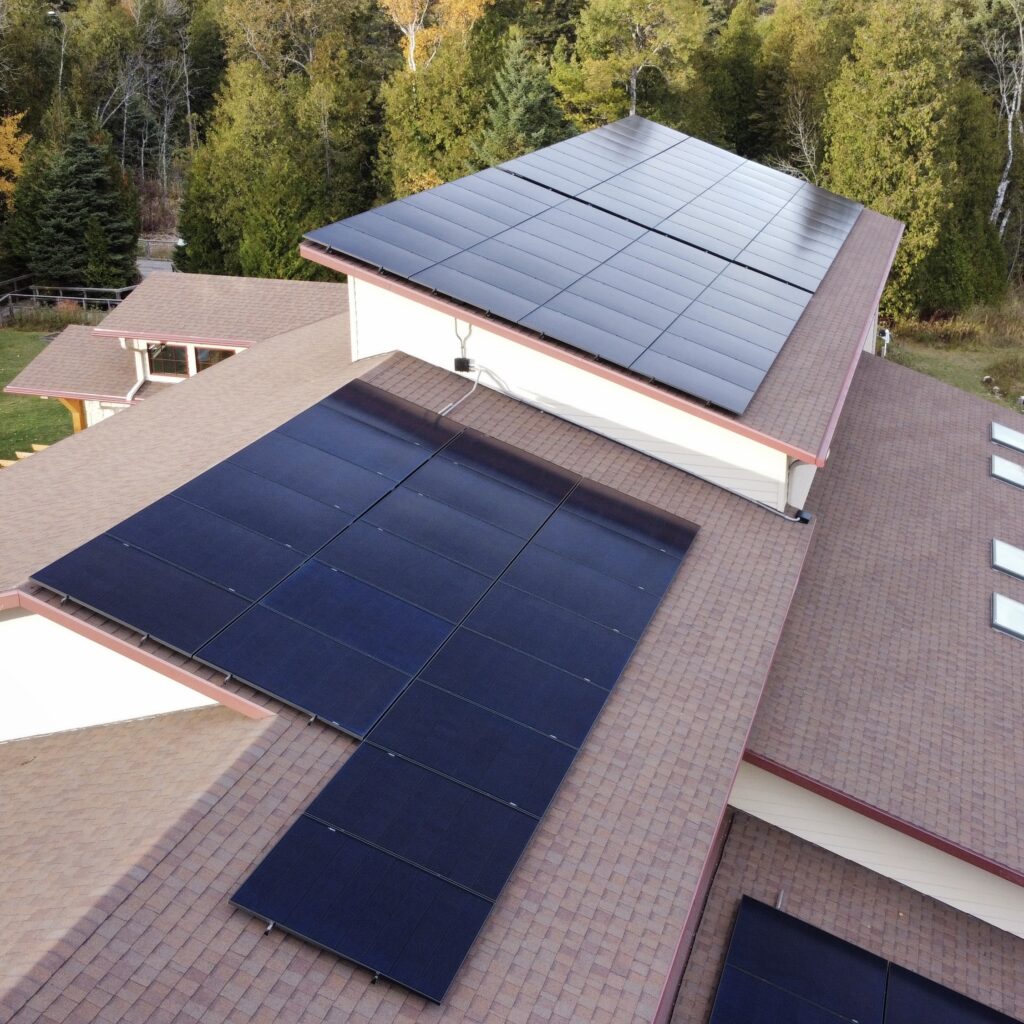
Thanks to the hard work of our staff, board, and partners, we were able to join in on the group buy that took place in Door County in 2025, coordinated by the Climate Change Coalition of Door County, Midwest Renewable Energy Association, and Eland Electric. Generating all our power from solar energy will not happen overnight (literally 😉)! Our newly installed solar array has 70 solar panels. At peak power, it generates 44kW and will ideally displace 75% of our utility power – of which 80% is currently from coal and natural gas. This will result in almost $6,000 per year saved in utility fees. We plan to reallocate those savings back into our mission pillars of Preservation, Education, and Research.

Generous donors like you, in addition to grant funding from Hammond Climate Solutions Foundation and their Solar Moonshot Program, made this project possible. We are so excited to finally add solar energy to our growing list of sustainability features. Thank you!

Climate Resiliency Plan
Review or download our Climate Resiliency Plan below. This document, Appendix B to our Master Plan, outlines The Ridges Sanctuary’s commitment to addressing the climate crisis. It reviews current literature, includes a vulnerability assessment, and makes specific facility improvements and adaptation recommendations for natural resources. The information provided in this plan informs any future development plans.