
Nature Notes: Citizen Science at The Ridges
By Todd Rockway, Citizen Science Volunteer
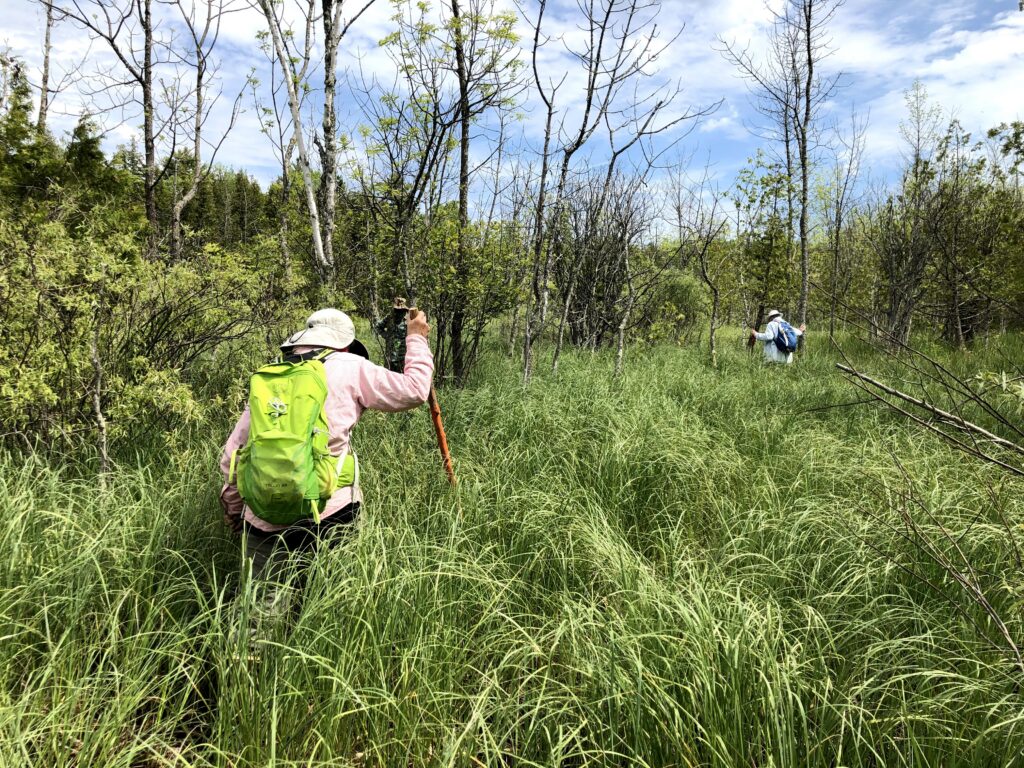
Each year, after the Labor Day holiday, The Ridges Sanctuary hosts a public Citizen Science Symposium. Some attendees contribute to many of the ongoing research projects in Door County. Additionally, many of these so-called “Citizen Scientists” help protect Door County’s pristine lands and environment. One might ask, “What is a Citizen Scientist?” I suggest my working definition is the observations and contributions of public volunteers to ongoing research projects.
Many of these citizen scientists lack formal scientific training. Most want to learn more about the unique environment we all inhabit in Door County. These volunteers are open to learning new techniques and skills they didn’t know they had. They are also willing to spend many hours doing tedious work. Their efforts contribute useful data to the many ongoing research projects at The Ridges Sanctuary. What types of research projects are ongoing? Project areas include botany, biology, ecology, habitat conservation, and data analysis.
Botany
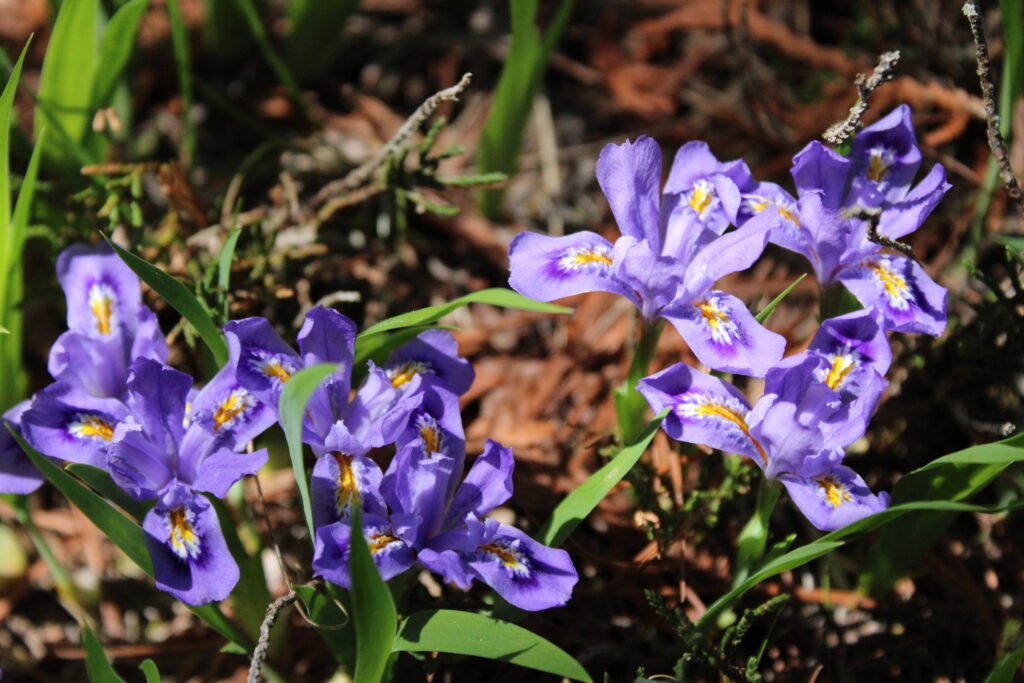
The first area of research involving citizen scientists is botanical projects. These include native orchid species, dwarf lake iris, a collaboration with the Door County Climate Change Coalition, and a continuing plant inventory of all Ridges properties. Over the years, citizen scientists have contributed valuable time and observations. Their work helps develop parameters for the growth and sustainability of these unique plants. The contributions of many citizen scientists to restoration research have led to national and international recognition of The Ridges Sanctuary in orchid research. Furthermore, these efforts advance scientific understanding. They influence local conservation policies and land management decisions, helping protect Door County’s natural heritage.
The United States Forest Service supports a second, more recent project through a grant. The project focuses on the study and parameter development of the dwarf lake iris. This plant is unique to the Great Lakes region of Wisconsin, Michigan, and Canada. Published research on this plant’s biology, physiology, and ecology remains very limited. A small group of citizen scientists is beginning to collect data. The data is intended to establish parameters involved, most notably, in the biology of this plant.
Door County Climate Coalition
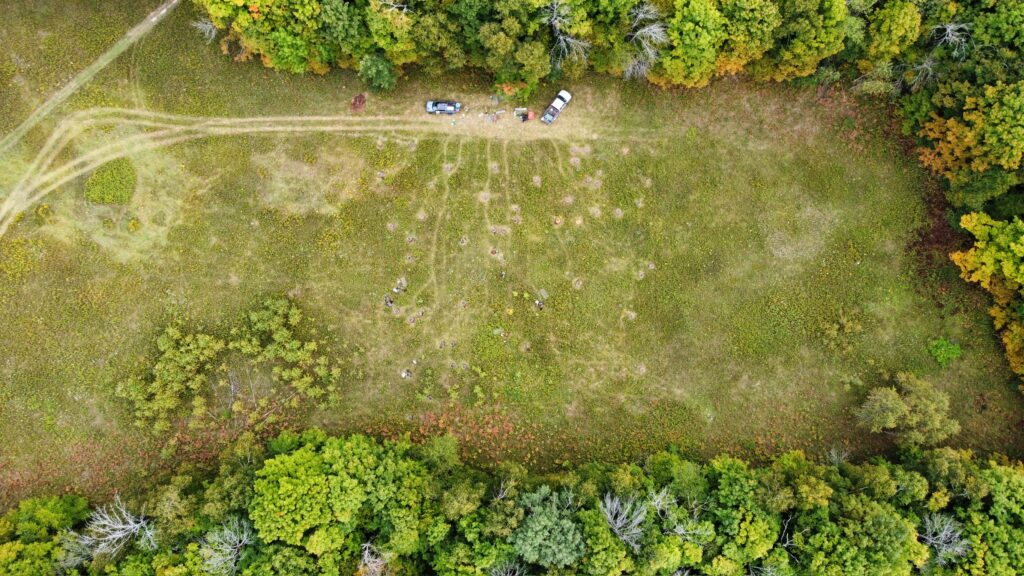
The third project is a collaboration with the Door County Climate Change Coalition. It focuses on the effect of climate change in a boreal forest environment. The Ridges Sanctuary is located at the southernmost end of the boreal forest. The microclimates within our properties represent a boreal forest environment. This program aims to understand how a changing climate affects boreal tree growth and survivability. Additionally, a large group of individuals planted almost 3,000 trees in five separate plots throughout The Ridges over the last year. A dedicated group of volunteers has spent many hours observing the newly planted trees. They monitor tree growth, survivability, soil conditions, and weather conditions.
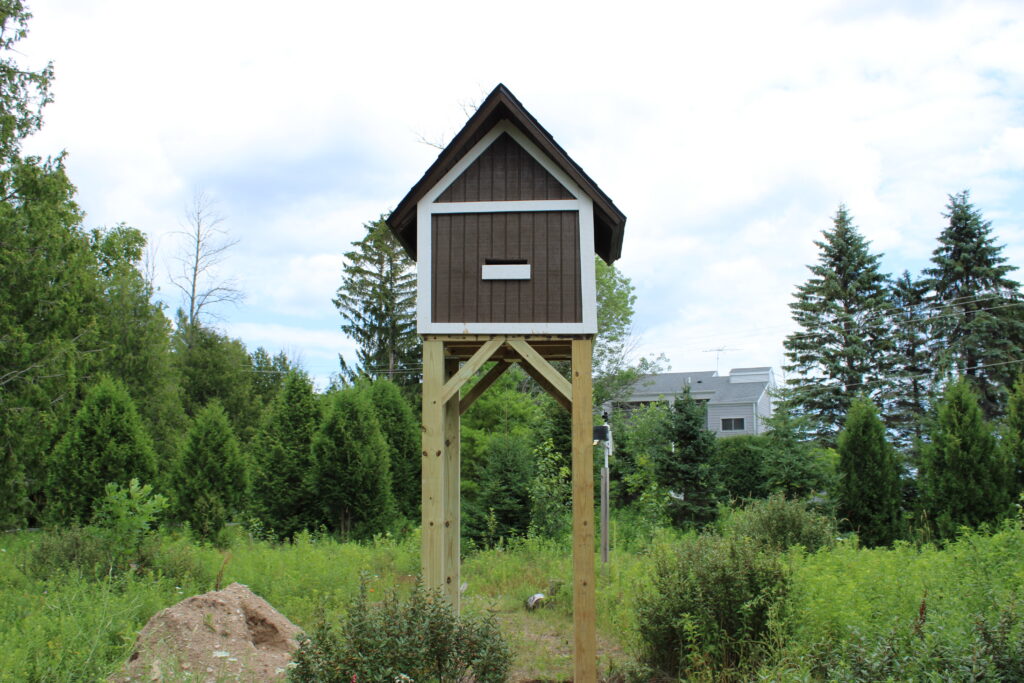
A new project was recently established within the Boreal Forest Climate Study. It is a population and habitat study of local bats and animals. A new addition to the bat study is the construction of a bat condominium on The Ridges’ Nature Center property. This additional study aims to provide valuable population data on bats in Door County.
The fourth and final project in this botanical section of citizen science projects is to update the plant inventory throughout the extended Ridges properties. Dedicated teams walk through various sites. They identify and record every plant. This work is time-consuming and tedious. These citizen scientists do it with gusto!
Water Quality
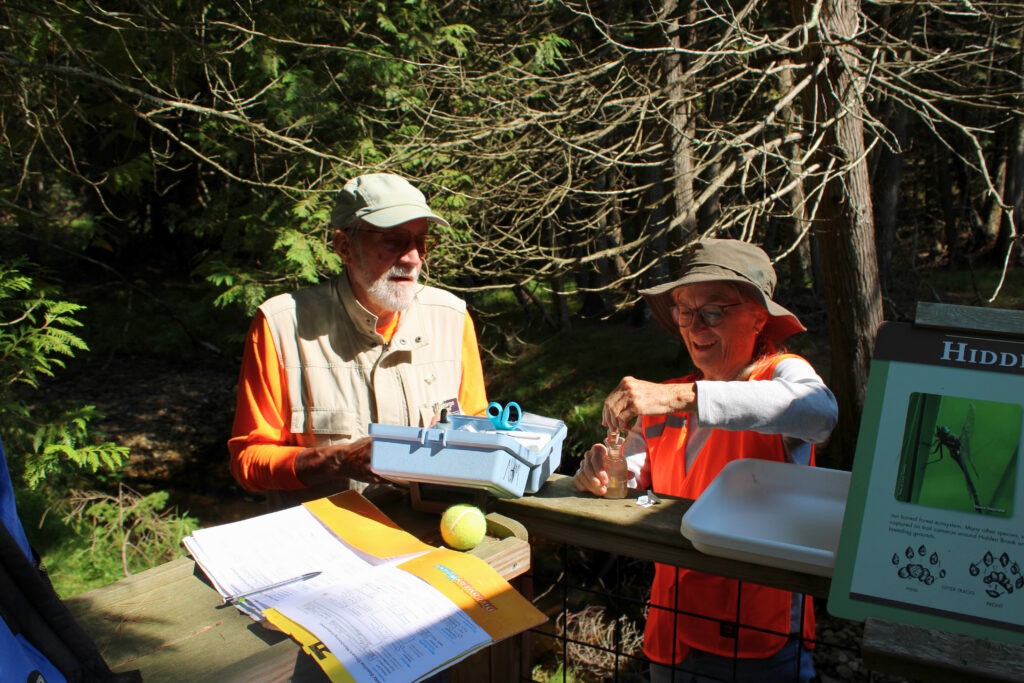
A second area of general research is the study of water quality in Door County streams and lakes. Throughout Door County, many teams consist of two individuals. They spend one day a month for six months wading into streams or lakes. Their goal is to evaluate the health and habitat of local waterways. This large group of volunteers is known as the Water Action Volunteers, or WAV. They monitor water temperature, clarity, dissolved oxygen content, and the presence of aquatic insects, crustaceans, and invasive species. Volunteers enter the collected data into a database maintained by the Wisconsin Department of Natural Resources. The data provides a yearly snapshot of stream health and water quality throughout Wisconsin.
Birds & Raptors
The third and final area of general research is citizen scientists’ contributions to studying birds and raptors in Door County. A long-term program studies bald eagle nesting and populations. The second program involves a yearly count of sandhill cranes migrating back to Door County. This program has been ongoing for four years. The count provides a yearly snapshot of nesting population size and whether habitat changes contribute to declines.
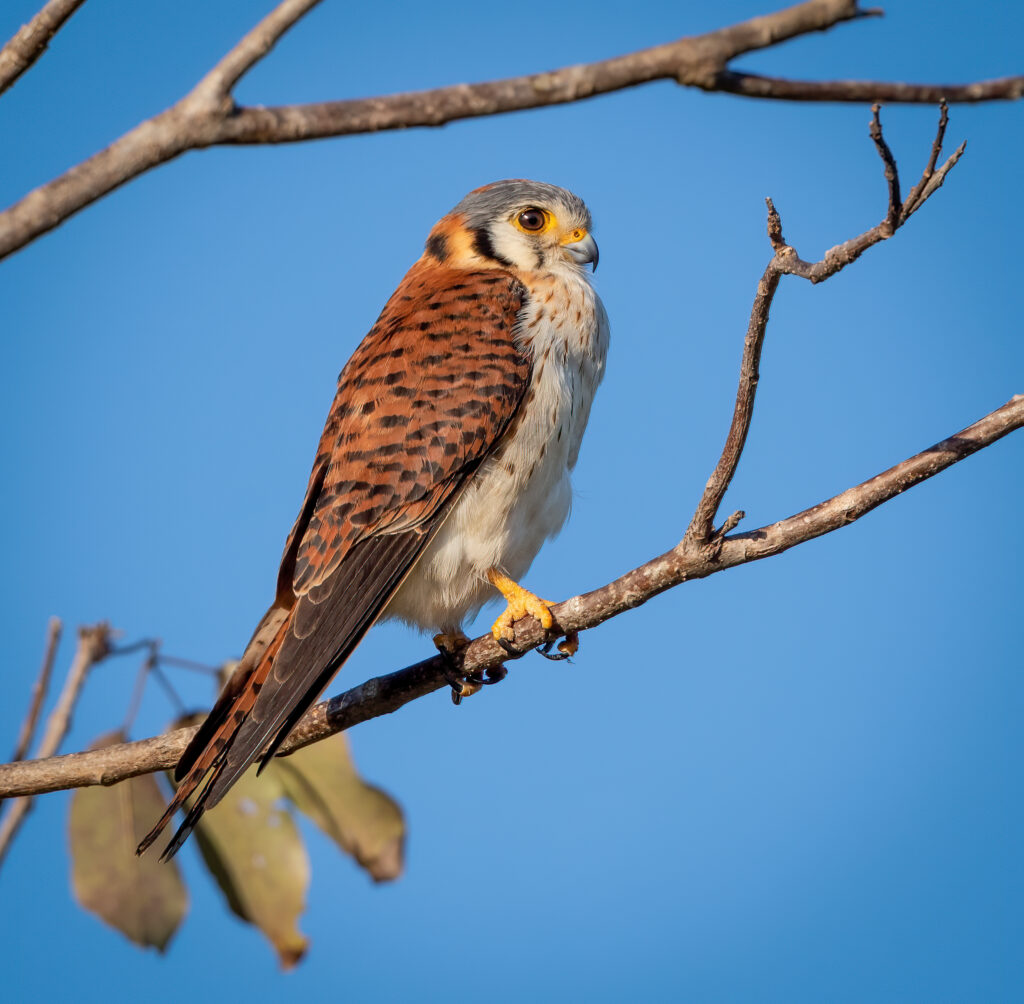
This year, a new program was instituted in collaboration with the Door County Land Trust. The program studies the mating, nesting, and habitat of a small falcon, the American kestrel. The overall population of the American kestrel has been decreasing in the United States over the last 10 years. This year, a small group of citizen scientists spent many hours observing kestrels. They studied mating, brooding, feeding, and hunting behavior. Monitoring these raptors required long hours of observing behavior in the wild. Watching nine new chicks fledge made the effort worth it.
The Citizen Science Symposium has always been a resounding success with the community. This is not surprising. So many projects involving so many volunteers have led to the development and dissemination of new and exciting findings across all areas of the natural world in Door County. Without the contributions of these volunteers, aka “Citizen Scientists,” the knowledge useful to maintaining the pristine environment we enjoy in Door County would be severely impacted. Your efforts truly make a difference and are appreciated. To get involved, visit our Citizen Science homepage or contact tony@ridgessanctuary.org.