
Category: Nature Notes
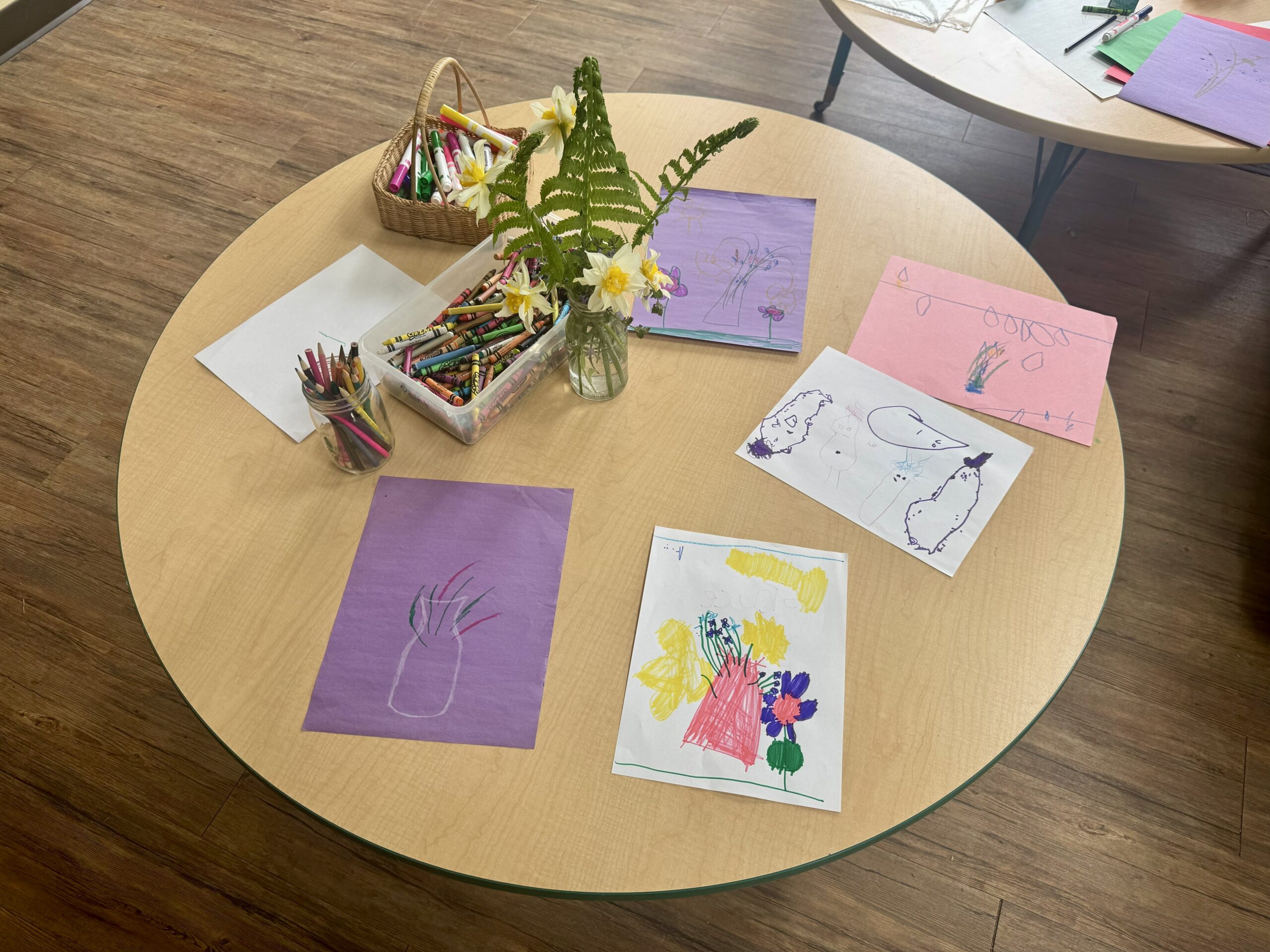
Nature Notes: A Reflection on Dragonfly 4k
WisCorps Environmental Educator Placement Natalie Schnackenberg concludes the school year with a touching reflection on her time co-teaching Dragonfly Nature 4k
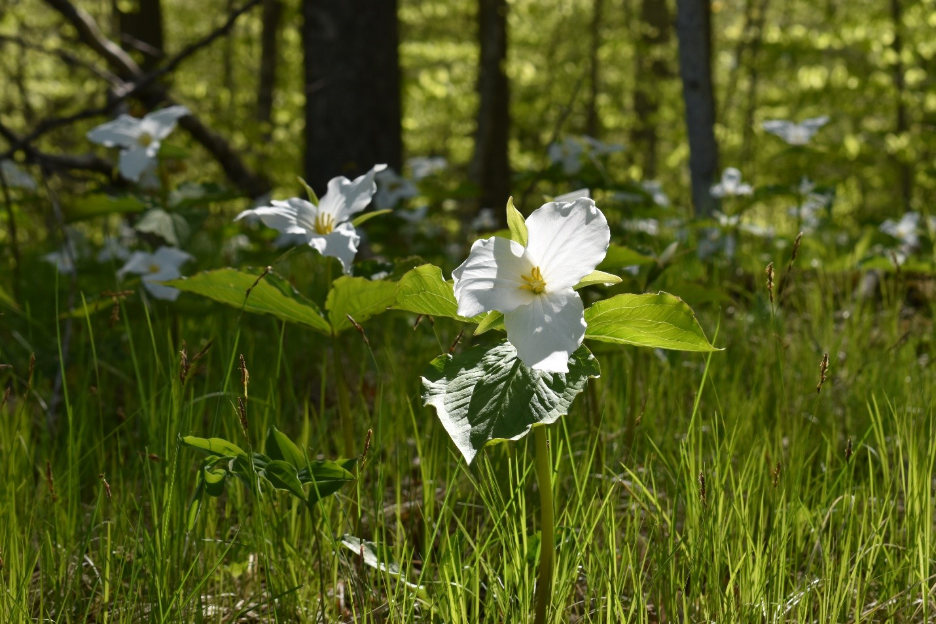
Nature Notes: Spring Flower Walk
As the days grow longer and the sun feels a little warmer, it’s tempting to believe spring has finally arrived—until winter reminds us otherwise. Even so, the snow is melting quickly, the ground is beginning to thaw, and daytime temperatures are staying above freezing. Signs of the season are already here: water flowing beneath Hidden Brook, frogs calling on warm afternoons, and sandhill cranes returning overhead. Spring is on its way—winter just insists on one last dramatic goodbye.
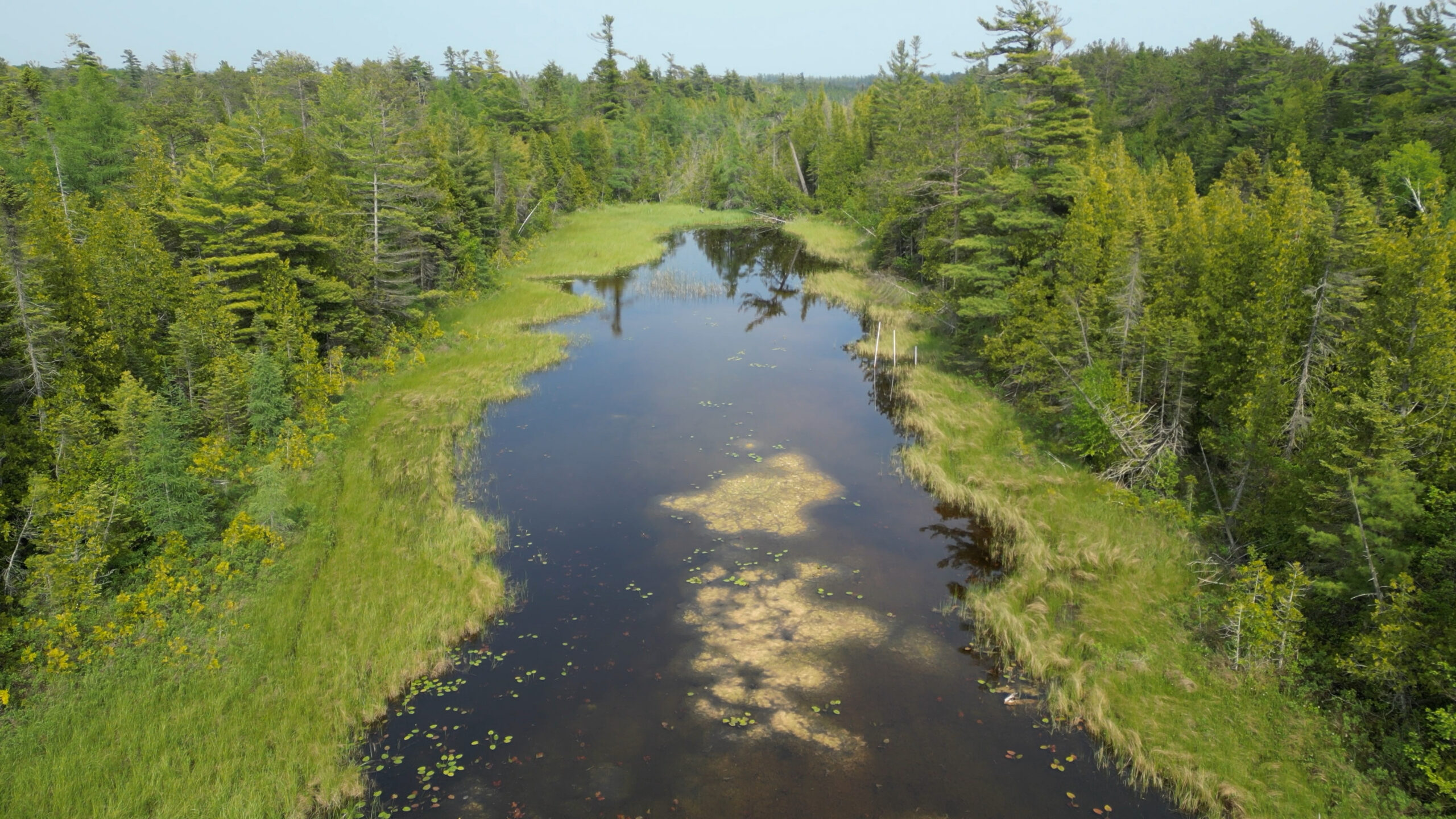
Nature Notes: Protecting Rare Ecosystems
As the days grow longer and the sun feels a little warmer, it’s tempting to believe spring has finally arrived—until winter reminds us otherwise. Even so, the snow is melting quickly, the ground is beginning to thaw, and daytime temperatures are staying above freezing. Signs of the season are already here: water flowing beneath Hidden Brook, frogs calling on warm afternoons, and sandhill cranes returning overhead. Spring is on its way—winter just insists on one last dramatic goodbye.
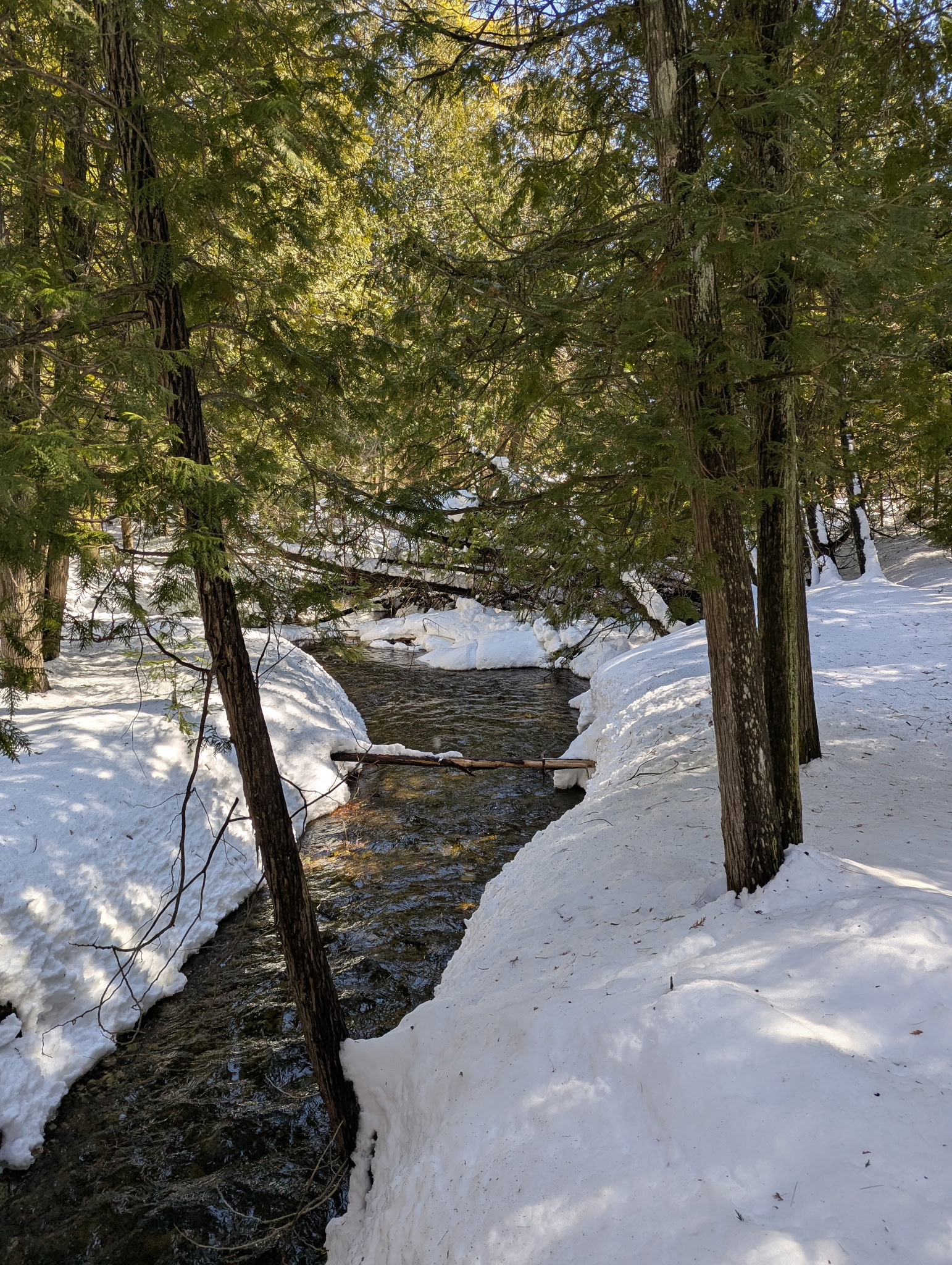
Nature Notes: Spring is Coming!
As the days grow longer and the sun feels a little warmer, it’s tempting to believe spring has finally arrived—until winter reminds us otherwise. Even so, the snow is melting quickly, the ground is beginning to thaw, and daytime temperatures are staying above freezing. Signs of the season are already here: water flowing beneath Hidden Brook, frogs calling on warm afternoons, and sandhill cranes returning overhead. Spring is on its way—winter just insists on one last dramatic goodbye.
Nature Notes: Lessons from the Forest
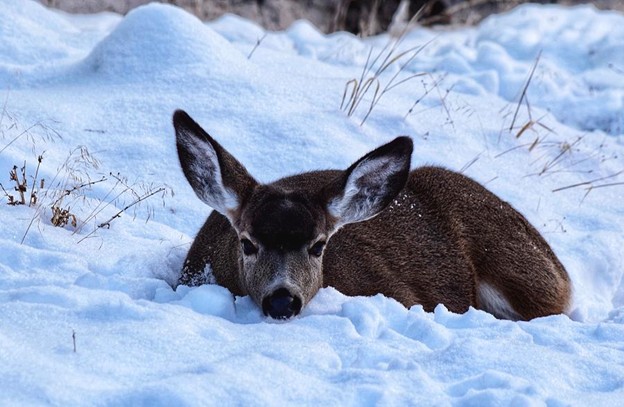
The forest teaches us many things; we just need to know where to look and how to listen. The winter season brings the lesson of life and allows us to see movement of animals in a way that no other season can. While most animals are elusive and not always seen while hiking, the ground cover of snow allows us to understand activities of active, resident animals in our area through deer beds, middens, scat, and tracks.
Nature Notes: Snowy Owls on the Prowl
Now that the snow is flying, so too are Snowy Owls. This highly mobile species breeds and winters further north than any other owl. Most people encounter them only when the birds have dispersed far south of their arctic breeding range. Indeed, the causes and patterns of their movements are not understood with certainty, though decades of banding, telemetry, and satellite tracking efforts, in conjunction with environmental data, are shedding new light.

Nature Notes: Season of Change – How Nature Prepares for Winter
We all have a process and routine for how to go about the transition from fall to the winter season. Animals and plants also go through a process - it just looks a little different. Learn about seasonal preparations we see in some of the animals and plants that we find here at The Ridges, and maybe in your own backyard too!
Nature Notes: Learning from the Land
Learning through stewardship and storytelling, our summer interns explored nurse logs, plant connections, and the human stories that bring The Ridges to life.
Nature Notes: Is The Ridges Haunted?
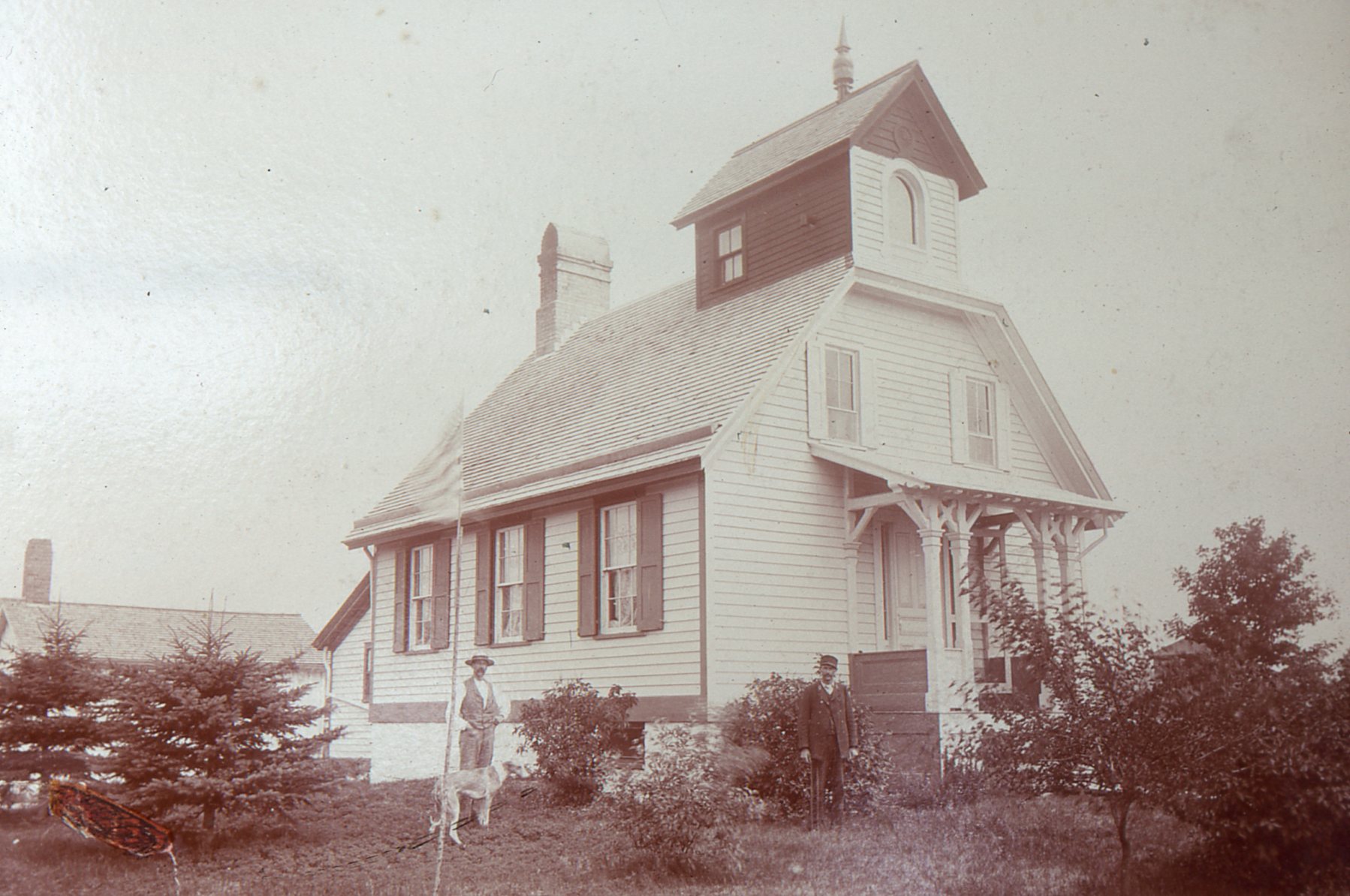
Is The Ridges Haunted?
It’s a question we hear often—especially in the fall. While The Ridges Sanctuary isn’t officially known for ghost stories, decades of strange experiences and whispered tales suggest there may be more to the story. From unexplained footsteps in the Kaye Cabin to ghostly laughter in the historic Upper Range Light, some believe the past is still very much present here. Curious? Read on and decide for yourself.

Nature Notes: Helping Wisconsin Bats
Nature Notes: Helping Wisconsin Bats By Anna Foster, Program Director Imagine walking down a boardwalk by the light of the moon, feeling the cool breeze from Lake Michigan through the […]