
Category: Flora
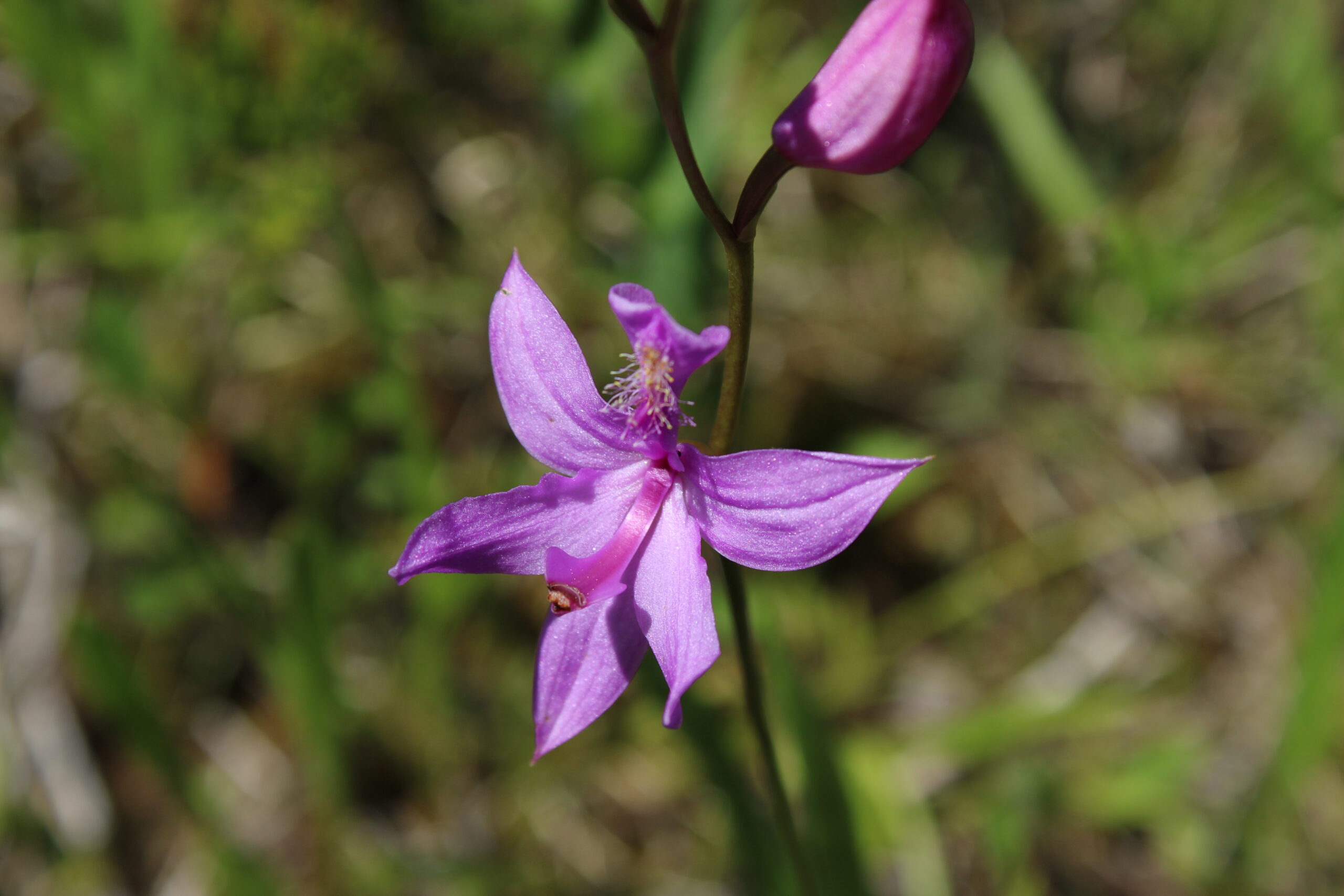
Nature Notes: What Makes an Orchid an Orchid?
“What makes an orchid an orchid?” is a question we hear often at The Ridges Sanctuary. There are several ways to answer it, depending on whether you approach the question through history, biology, or the emotional response these plants seem to inspire.
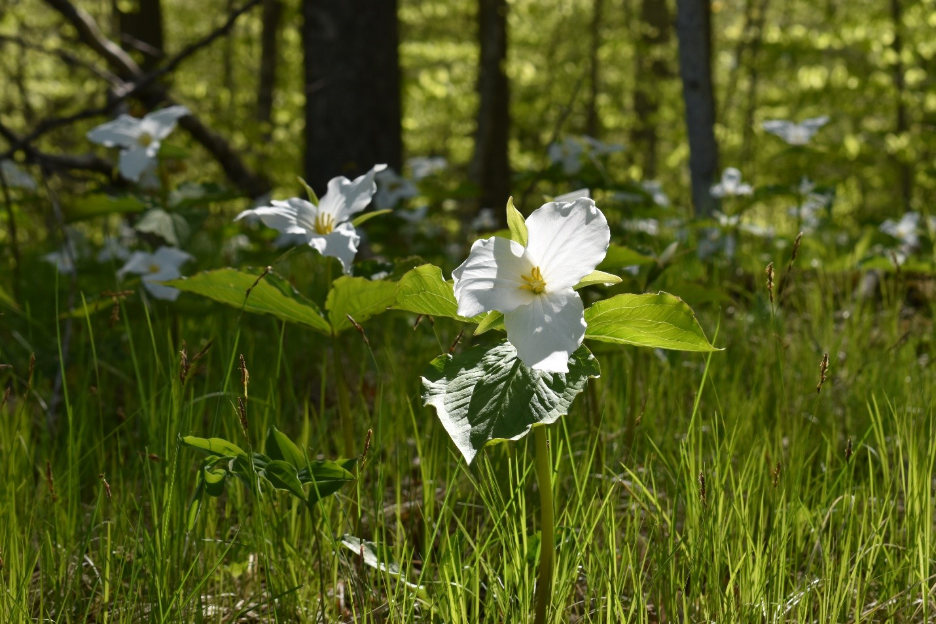
Nature Notes: Spring Flower Walk
Walking in the woods is one of my favorite ways to slow down my mind and be present in the moment. With longer daylight hours and signs of new life, May is a wonderful time to go on an afternoon walk. Unique colors are always the first thing to catch my eye. In the winter it may be lichen, in the fall I notice mushrooms, and in the spring it's the new flowers!
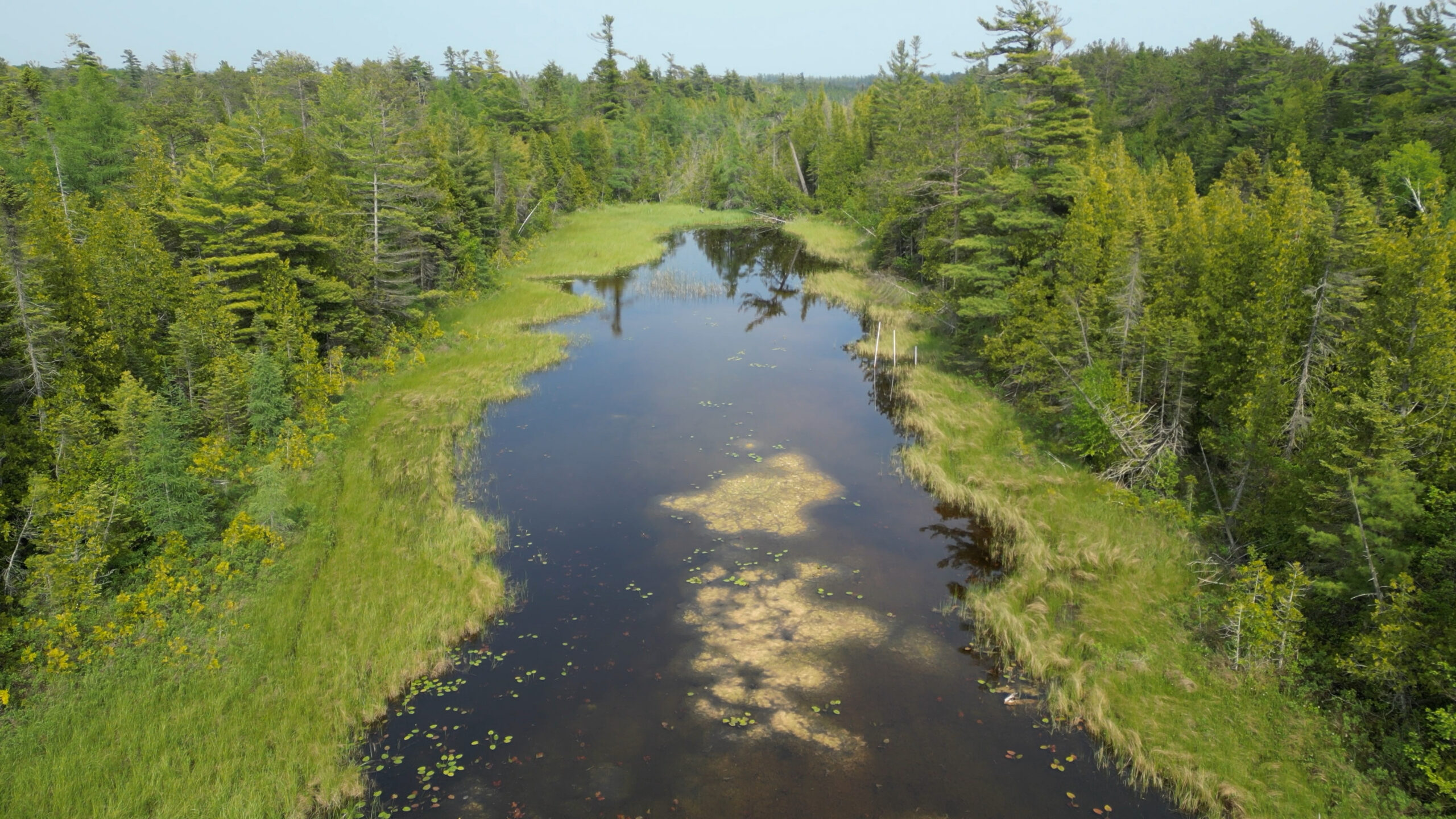
Nature Notes: Protecting Rare Ecosystems
There is specific, restrained electricity in the air at The Ridges Sanctuary during these early weeks of spring. To the casual observer, the forest may still look dormant, but as Land Manager, I see a landscape in a state of high-tension readiness. Rarity, by its very definition, commands our attention—but here, it also commands our awe. At The Ridges, we aren't just protecting a static map of trees and water; we are stewards of a restless, prehistoric, and incredibly rare intersection of life.
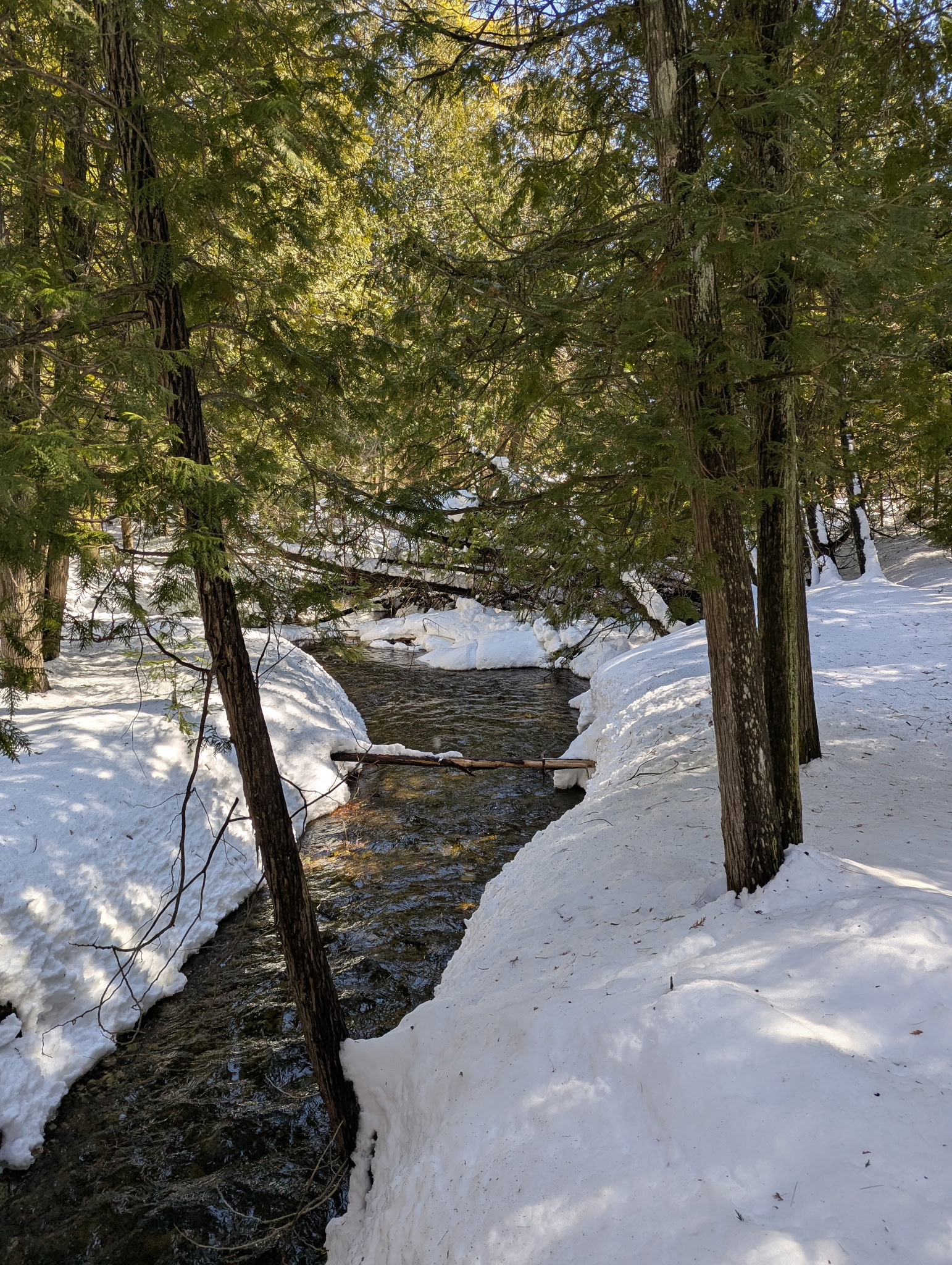
Nature Notes: Spring is Coming!
As the days grow longer and the sun feels a little warmer, it’s tempting to believe spring has finally arrived—until winter reminds us otherwise. Even so, the snow is melting quickly, the ground is beginning to thaw, and daytime temperatures are staying above freezing. Signs of the season are already here: water flowing beneath Hidden Brook, frogs calling on warm afternoons, and sandhill cranes returning overhead. Spring is on its way—winter just insists on one last dramatic goodbye.
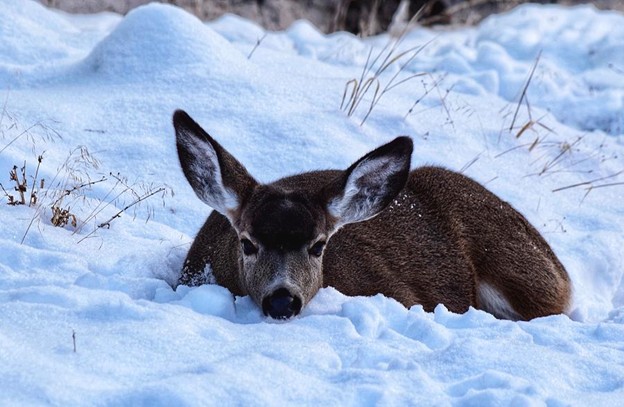
Nature Notes: Lessons from the Forest
The forest teaches us many things; we just need to know where to look and how to listen. The winter season brings the lesson of life and allows us to see movement of animals in a way that no other season can. While most animals are elusive and not always seen while hiking, the ground cover of snow allows us to understand activities of active, resident animals in our area through deer beds, middens, scat, and tracks.
Nature Notes: Snowy Owls on the Prowl
Now that the snow is flying, so too are Snowy Owls. This highly mobile species breeds and winters further north than any other owl. Most people encounter them only when the birds have dispersed far south of their arctic breeding range. Indeed, the causes and patterns of their movements are not understood with certainty, though decades of banding, telemetry, and satellite tracking efforts, in conjunction with environmental data, are shedding new light.

Nature Notes: Season of Change – How Nature Prepares for Winter
We all have a process and routine for how to go about the transition from fall to the winter season. Animals and plants also go through a process - it just looks a little different. Learn about seasonal preparations we see in some of the animals and plants that we find here at The Ridges, and maybe in your own backyard too!
Nature Notes: Learning from the Land
Learning through stewardship and storytelling, our summer interns explored nurse logs, plant connections, and the human stories that bring The Ridges to life.
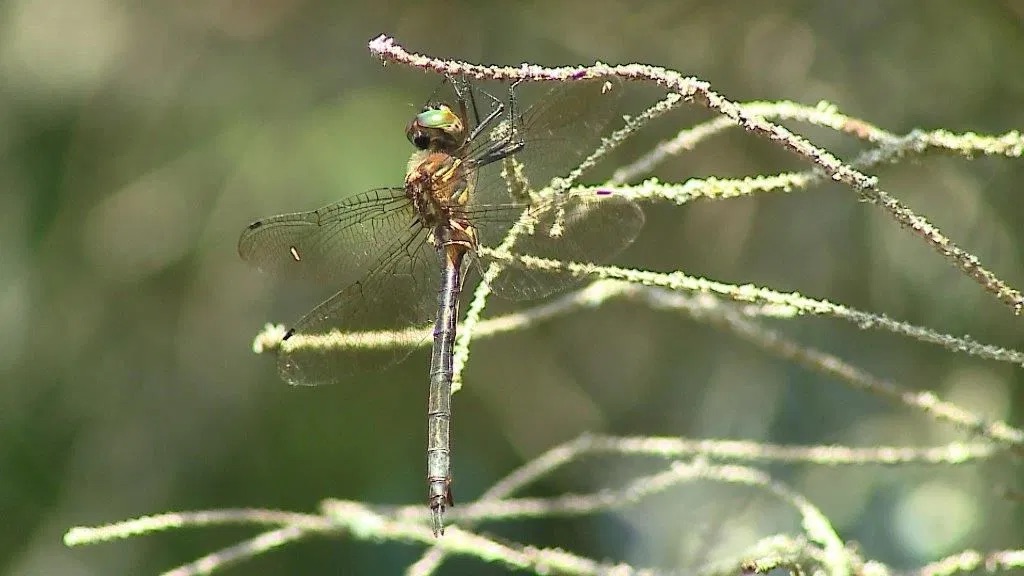
Nature Notes: Do Not Go Gentle into That Climate Crisis
As our planet warms and ecosystems shift, we must not go gentle into this climate crisis. Species like the endangered Hine’s emerald dragonfly face mounting threats, while invasive species spread into disrupted habitats. The Boreal and Temperate Mesic Forest Survivability Project shows how science and action can push back. Reforestation, research, and resilience matter. Climate change demands urgency—not resignation. Even uncertain efforts are better than none. Doing nothing is surrender. But together, we can still make a difference.

Nature Notes: In Pursuit of Understanding— Collaborative Research at The Ridges Sanctuary
Collaborative research at The Ridges deepens our understanding of biodiversity, ecosystems, and climate—advancing science while protecting this unique natural sanctuary for future generations.