
Category: Fauna
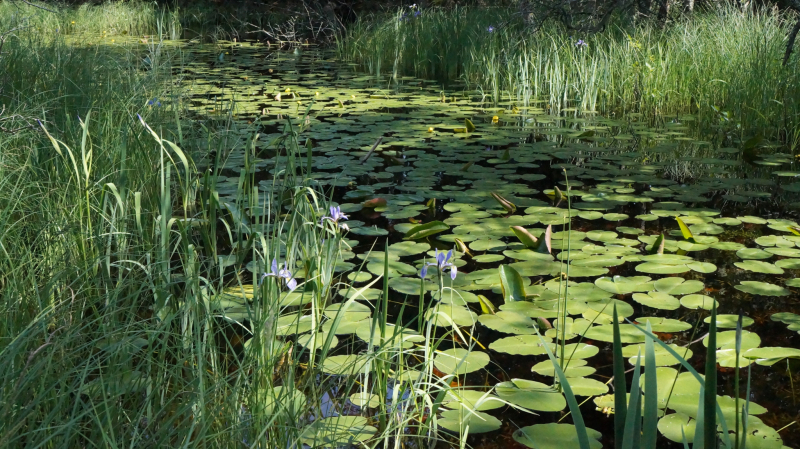
Interconnectedness at The Ridges Sanctuary
Interconnectedness at The Ridges Sanctuary Summer Project Series 2026: The following is a Summer Project completed by Jackson Graham, a 2026 Summer Environmental Educator at The Ridges Sanctuary. Jackson graduated from […]
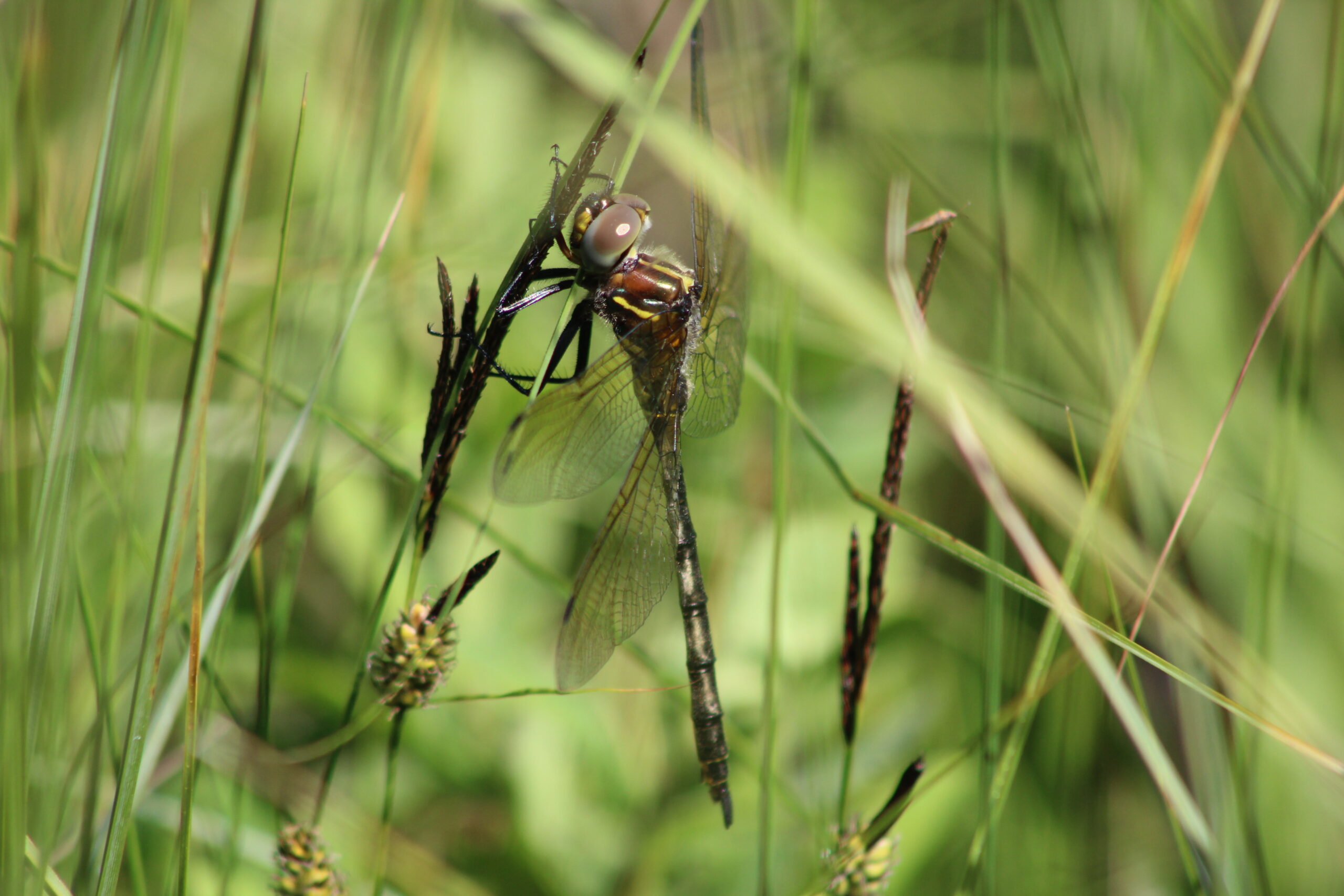
Dragonflies at The Ridges Sanctuary
Dragonflies at The Ridges Sanctuary Summer Project Series 2026: The following is a Summer Project completed by Thomas Scharrenberg, 2026 Summer Naturalist at The Ridges Sanctuary. Thomas is from San […]
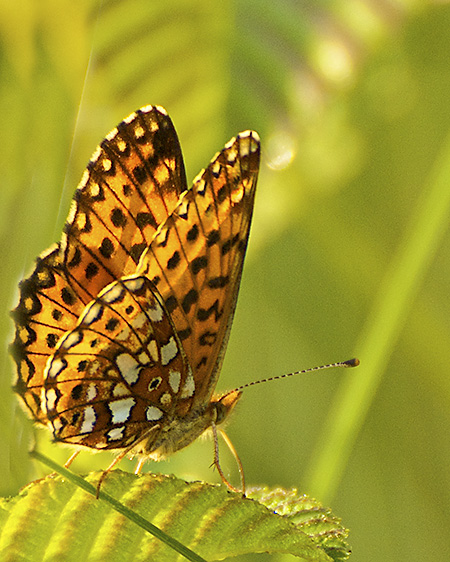
Nature Notes: The Wondrous World of Butterflies & Dragonflies
Butterflies and dragonflies are certainly the most colorful summertime insects here at The Ridges. Many a poem has been composed in honor of these amazing aviators. However, these poems rarely touch on the science behind their life cycle and diet.
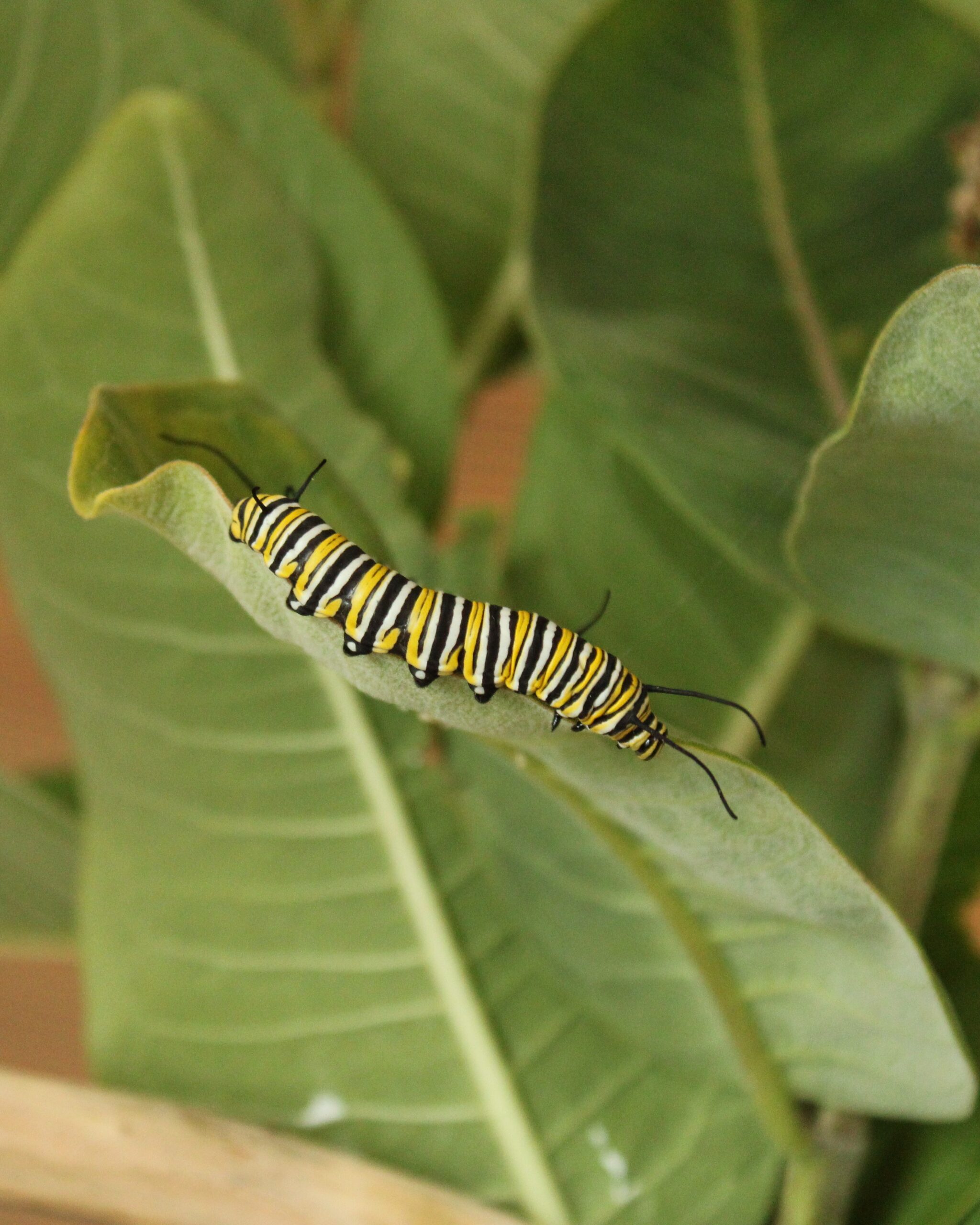
Nature Notes: To Rear or Not to Rear?
Many children experience the wonder of watching a monarch caterpillar grow and change into a beautiful butterfly. Raising monarch butterflies can be a valuable educational tool for teaching children about lifecycles and metamorphosis. It can even inspire a love and appreciation of butterfly species. However, the practice of rearing monarchs can actually be more harmful than helpful to monarch conservation.
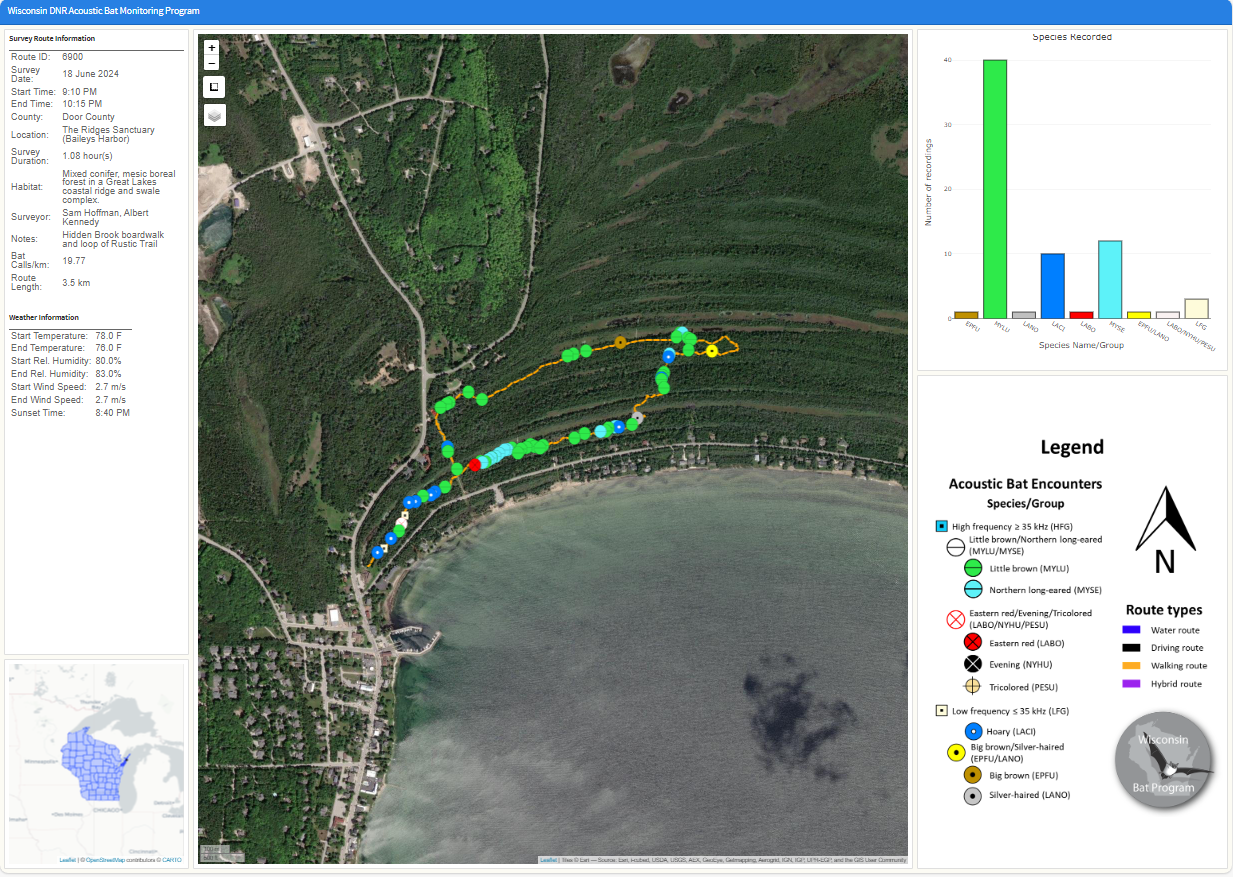
In The News: The Northern Long-Eared Bat
As white-nose syndrome devastates bat populations, conservation efforts at The Ridges offer hope for the federally endangered northern long-eared bat.
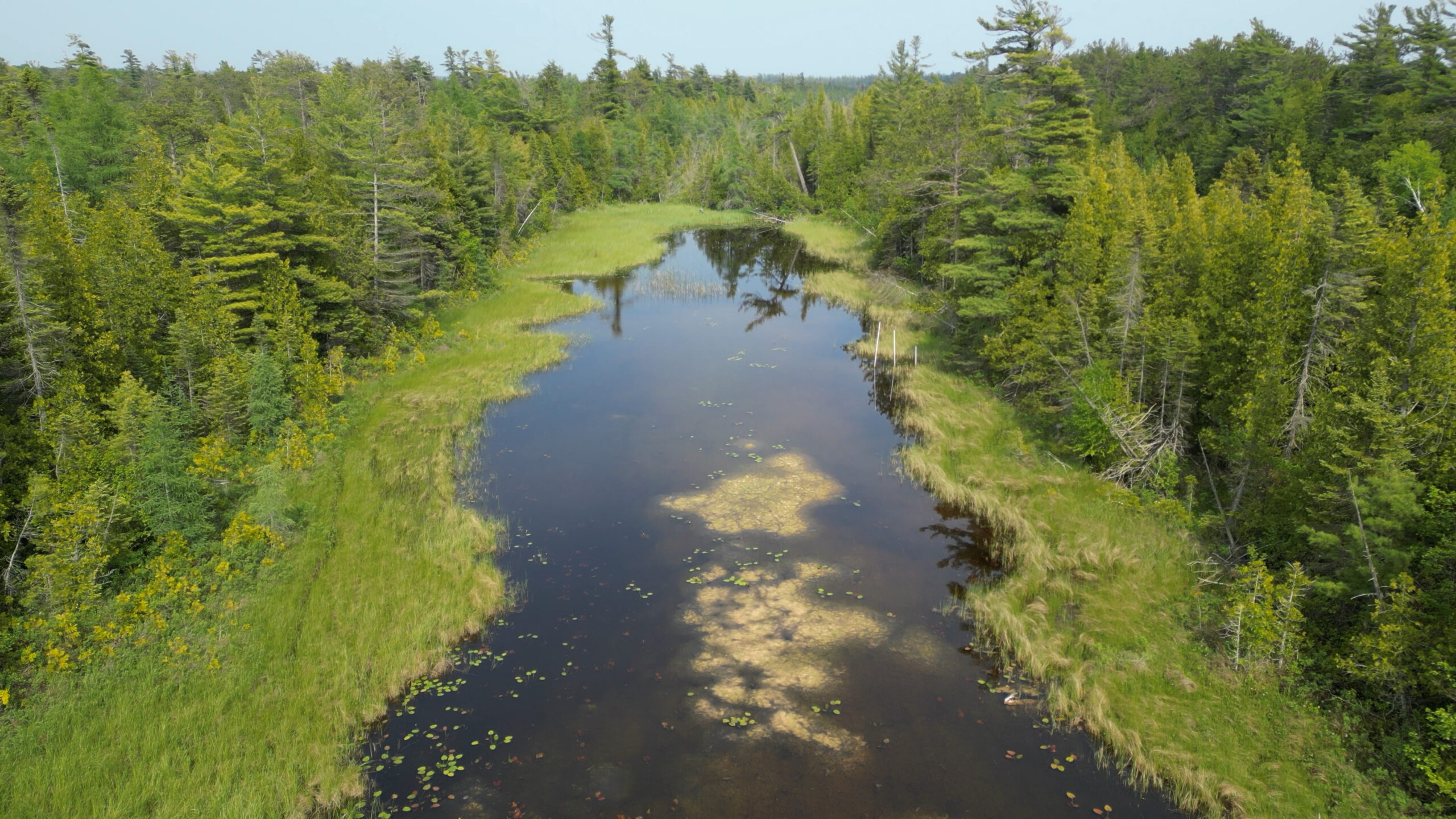
Nature Notes: Protecting Rare Ecosystems
There is specific, restrained electricity in the air at The Ridges Sanctuary during these early weeks of spring. To the casual observer, the forest may still look dormant, but as Land Manager, I see a landscape in a state of high-tension readiness. Rarity, by its very definition, commands our attention—but here, it also commands our awe. At The Ridges, we aren't just protecting a static map of trees and water; we are stewards of a restless, prehistoric, and incredibly rare intersection of life.
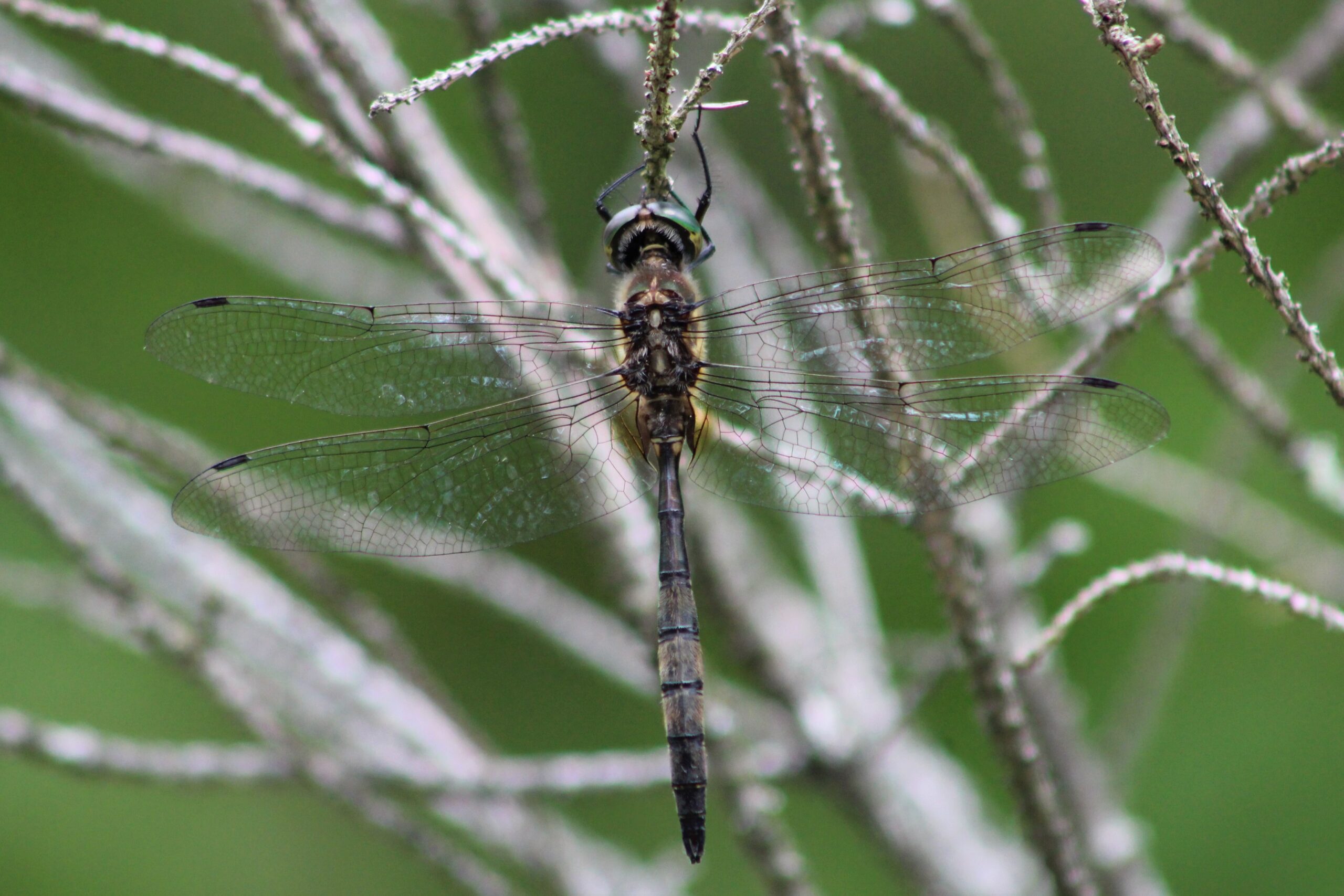
In The News: The Hine’s Emerald Dragonfly
One of the few remaining U.S. populations of the Hine’s emerald dragonfly persists at The Ridges Sanctuary, where conservation and research support its future.
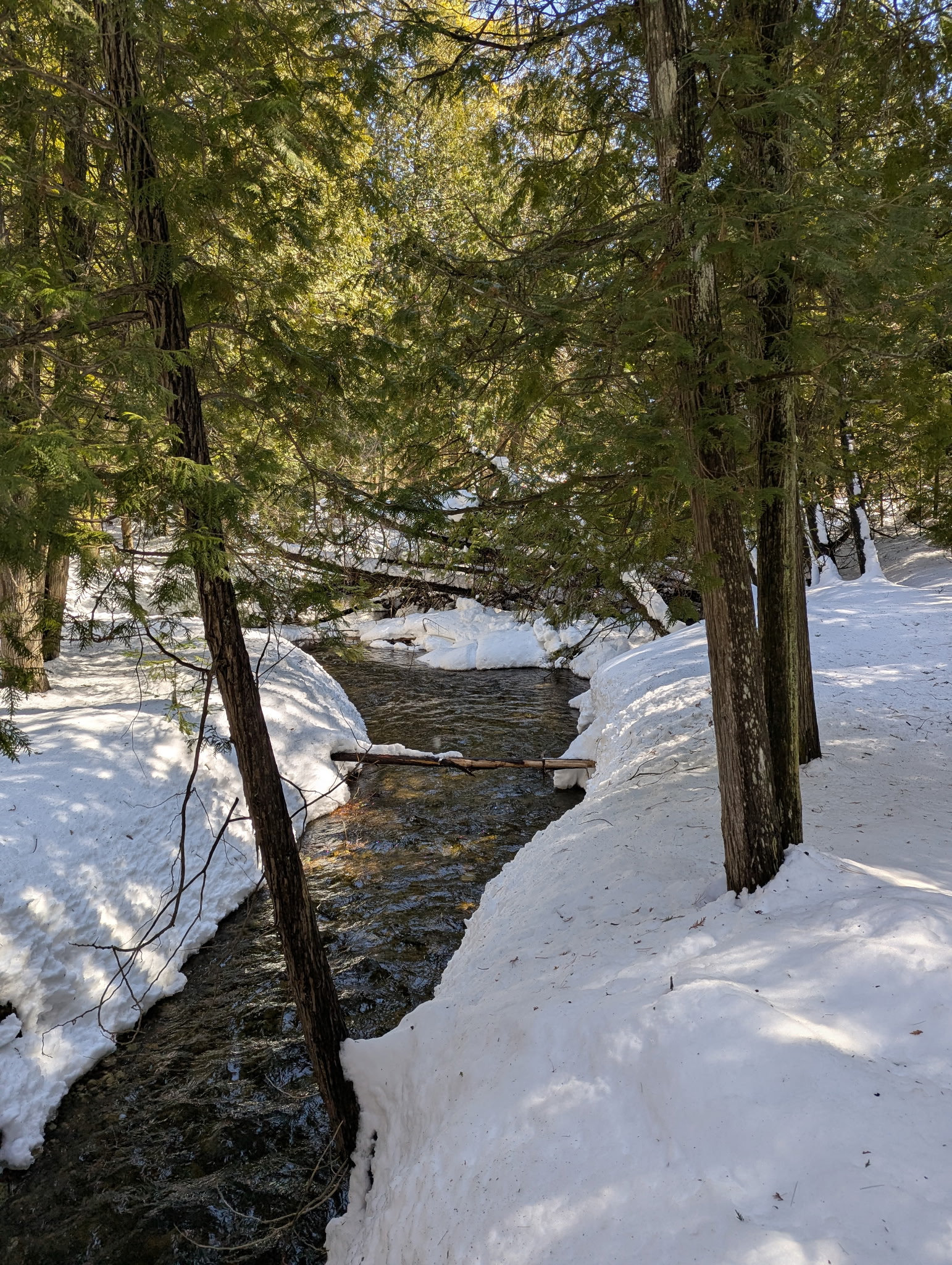
Nature Notes: Spring is Coming!
As the days grow longer and the sun feels a little warmer, it’s tempting to believe spring has finally arrived—until winter reminds us otherwise. Even so, the snow is melting quickly, the ground is beginning to thaw, and daytime temperatures are staying above freezing. Signs of the season are already here: water flowing beneath Hidden Brook, frogs calling on warm afternoons, and sandhill cranes returning overhead. Spring is on its way—winter just insists on one last dramatic goodbye.
Nature Notes: Lessons from the Forest
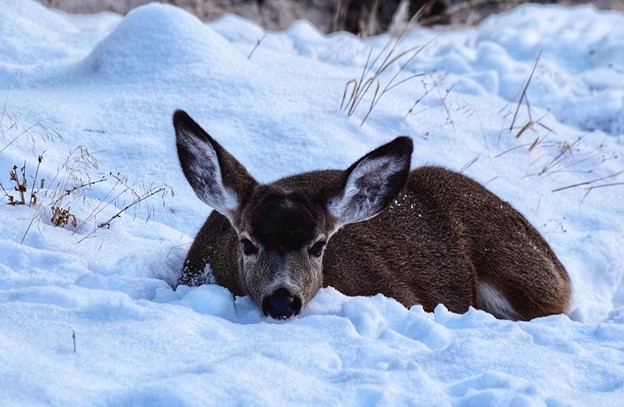
The forest teaches us many things; we just need to know where to look and how to listen. The winter season brings the lesson of life and allows us to see movement of animals in a way that no other season can. While most animals are elusive and not always seen while hiking, the ground cover of snow allows us to understand activities of active, resident animals in our area through deer beds, middens, scat, and tracks.
Nature Notes: Snowy Owls on the Prowl
Now that the snow is flying, so too are Snowy Owls. This highly mobile species breeds and winters further north than any other owl. Most people encounter them only when the birds have dispersed far south of their arctic breeding range. Indeed, the causes and patterns of their movements are not understood with certainty, though decades of banding, telemetry, and satellite tracking efforts, in conjunction with environmental data, are shedding new light.