
Nature Notes: Native Plant Gardens at The Ridges Sanctuary
By Karen Smith, Garden Crew Volunteer, and Victoria Holderer, Applied Research Ecologist
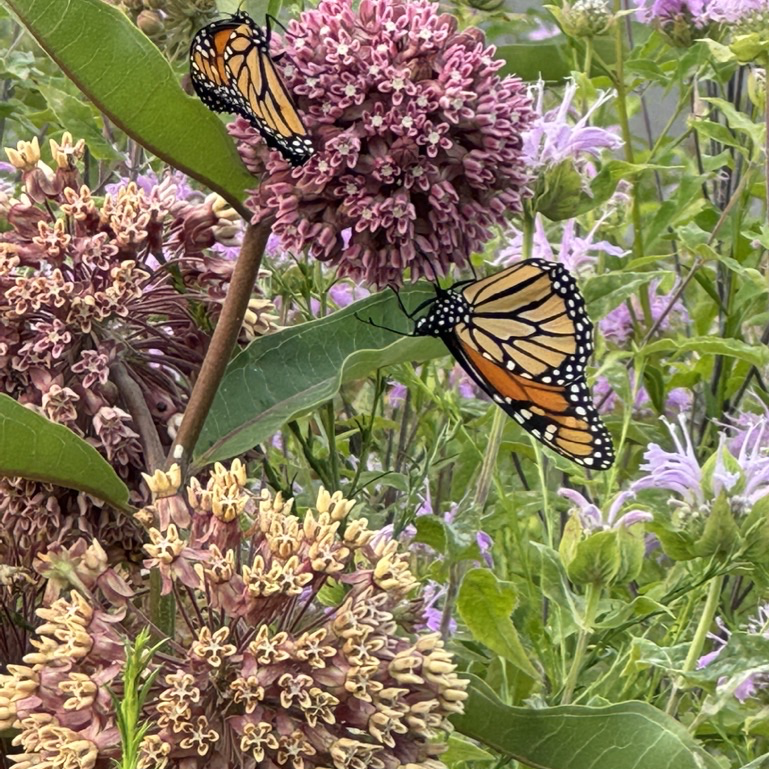

For many visitors, their first glimpse of The Ridges Sanctuary is not the ridge-and-swale landscape. Instead, it is the Cook-Albert Fuller Nature Center and the native plant gardens surrounding its entrance.
Every gardener knows that each year follows a familiar rhythm. Spring brings planting, summer requires ongoing maintenance, and fall introduces seasonal cleanup. Finally, winter offers a time for reflection.
As autumn’s golden colors fade, grasses and perennial seedheads bring new textures to the gardens. Although summer’s bright colors have disappeared, these spaces continue to serve an important purpose.
Throughout the growing season, native plants provide nectar, pollen, and host plants for insects and pollinators. During winter, the standing vegetation offers food and shelter for insects, small mammals, and birds. Even in the coldest months, these gardens remain an important part of the Sanctuary’s ecosystem.
The Evolution of Our Native Plant Gardens
After the construction of the Cook-Albert Fuller Nature Center in 2015, the surrounding landscape began transforming into a native plant garden.
Today, vibrant pollinator plants and layered textures fill the space year-round. Still, it is hard to imagine this area once housing a bustling restaurant known for its pancakes and traditional fish boils.
Over the past eleven years, the landscape has continued to evolve. Dedicated volunteer groups have played an essential role in maintaining and improving these gardens.
Their efforts support The Ridges Sanctuary’s conservation mission while increasing local biodiversity. The gardens also demonstrate sustainable land management practices and create beautiful, engaging spaces for visitors.
Today, the entrance gardens feature more than 60 native plant species, including sedges, shrubs, grasses, and flowering perennials.
Garden Crew Volunteers: Caring for Native Landscapes
Since 2018, a dedicated group of “weed warriors” has helped oversee the seasonal care of these important gardens.
In 2026, the Garden Crew includes 17 members, including community residents and Ridges staff. From May through October, the group gathers weekly to maintain the gardens and support ongoing projects.
During winter, members review their observations, develop plans for the next growing season, and process collected seeds.
Although the gardens occupy a relatively small area, managing them presents unique challenges. Fortunately, this small but mighty group shares a passion for native plants, outdoor work, and getting their hands dirty!
Supporting Healthy Native Plant Communities
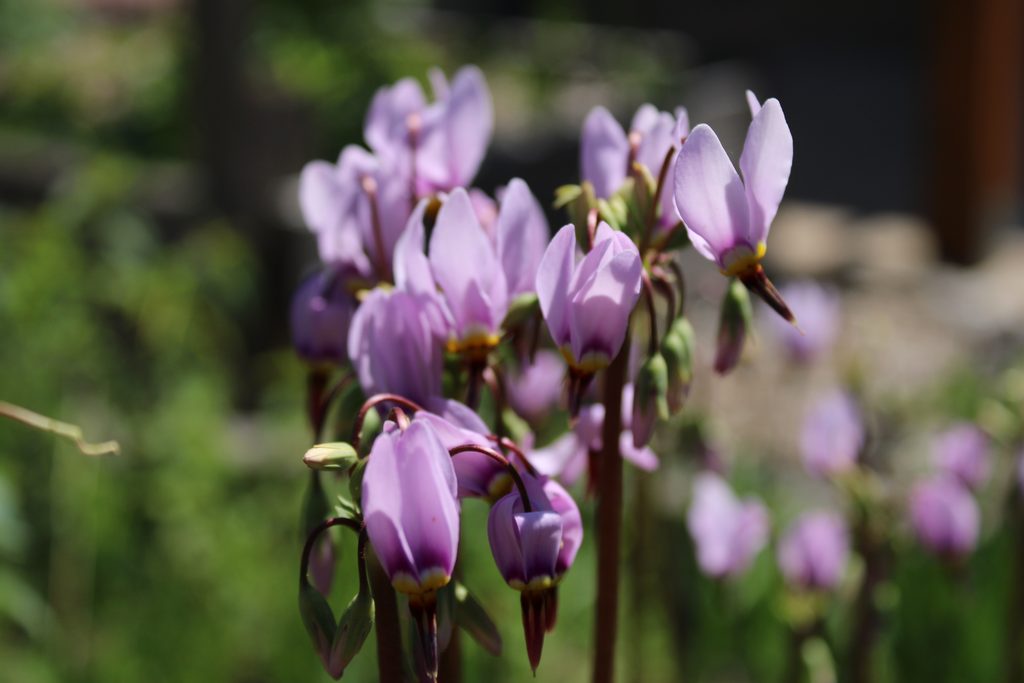
Together, Garden Crew volunteers focus on several important management practices:
- Selecting and planting appropriate native species.
- Supporting natural plant succession and ecosystem health.
- Selectively thinning plants to maintain healthy plant communities.
- Removing invasive species and managing unwanted vegetation.
- Adding visible signs of care, including educational signage and mulched garden edges.
Garden Crew members bring a variety of skills and experiences to their work. Their contributions include planting, invasive species management, mulching, seed collection, and visitor education.
In addition to maintaining the gardens, volunteers help visitors understand the importance of native plant communities.
For example, a previous Garden Crew project established a Demonstration Garden near the Nature Center entrance. This space shows visitors how they can transform an existing landscape into a diverse pollinator habitat at home.
Garden Crew Accomplishments in 2026
Thanks to the dedication of our volunteers, the Garden Crew completed several important projects this year:
- Upper Range Light Garden: Developed plans to redesign the garden space surrounding the Upper Range Light.
- Native Plantings: Planted more than 200 native plant plugs at the Upper Range Light and an additional 100 plants near the Nature Center. These additions bring the total number of native plant species in The Ridges’ garden ecosystems to more than 75.
- Native Seed Collection: Harvested, prepared, and packaged native seeds into more than 900 pollinator seed packs. Visitors can receive free seed packets through Ridges activities and bring a small piece of the Sanctuary’s native habitat into their own landscapes.
- Volunteer Contributions: Documented more than 300 volunteer hours to date in 2026.
These accomplishments demonstrate the important role volunteers play in creating and sustaining healthy native plant communities.
Demonstrating Land Stewardship in a Small Space
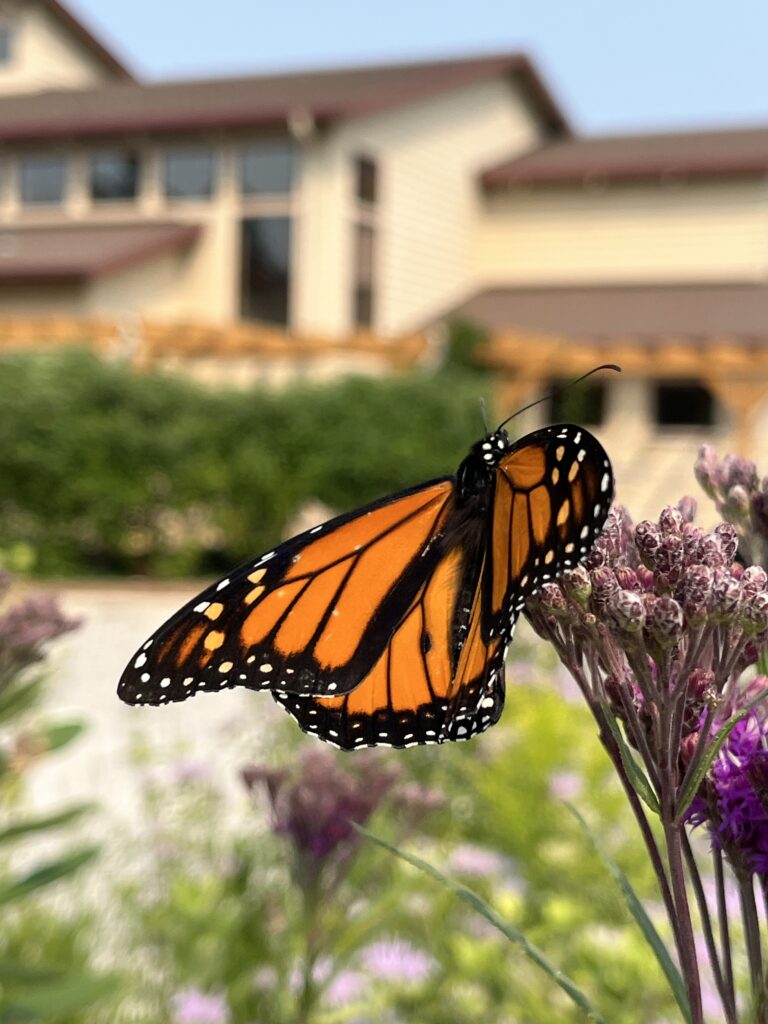
The native plant gardens at The Ridges Sanctuary offer much more than seasonal beauty. They also provide essential habitat for local wildlife.
Native plants support pollinators, birds, and other wildlife by supplying food, shelter, and breeding habitat. Their extensive root systems also improve soil health and help manage water naturally.
As a result, these gardens serve as a living example of The Ridges Sanctuary’s mission. They advance ecological preservation, scientific research, and community education through an interactive outdoor classroom.
Supporting Pollinators Through Native Plants
One of the Garden Crew’s priorities is selecting plants that bloom throughout the growing season. By combining species with different flowering periods, the gardens can provide nectar and pollen from early spring through late autumn.
Another important consideration is including keystone plants.
Keystone plants are native species or plant groups that contribute disproportionately to local food webs. Much like the central stone supporting an archway, these plants help sustain healthy ecosystems.
In Wisconsin, native goldenrods, asters, and sunflowers are important examples. These plant groups can support numerous specialist bees, caterpillars, butterflies, and other wildlife species.
The gardens surrounding the Nature Center feature several habitat types, including tallgrass prairie, shortgrass prairie, monarch gardens, and shady woodland plantings. Meanwhile, the Upper Range Light gardens contain plants commonly associated with monarch habitats and shaded woodlands.
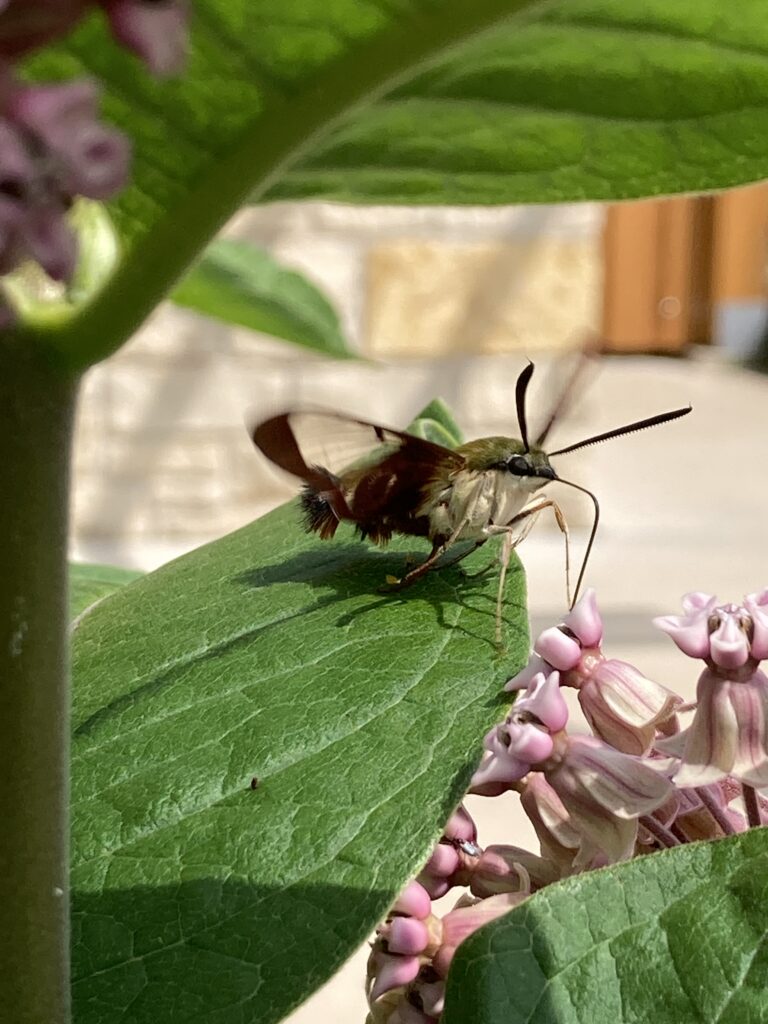
Throughout the growing season, visitors may observe native bees, butterflies, moths, hoverflies, beetles, and occasionally hummingbirds. Rabbits and other wildlife also make use of these garden spaces.
Sharing Conservation Practices With Visitors
In 2026, Festival of Nature and Monarch Madness field trips gave visitors opportunities to explore the gardens and learn about small-scale habitat restoration.
Participants discovered practical approaches to improving native landscapes, including:
- Maintaining healthy soil.
- Managing invasive species.
- Collecting and saving native seeds.
- Supporting native plant health.
- Creating pollinator-friendly habitats in their communities.
Through these educational experiences, The Ridges demonstrates how small restoration projects can contribute to larger conservation efforts.
Looking Ahead: The Future of Our Native Plant Gardens
With frequent reports of environmental challenges, it can feel overwhelming to identify meaningful ways to make a difference.
However, native plant gardens offer an accessible opportunity to support biodiversity and create healthier local environments.
At The Ridges Sanctuary, our work extends beyond maintaining a beautiful landscape. We also hope to expand community outreach, offer educational workshops, host field trips, and support research opportunities.
These gardens provide valuable spaces for observation, data collection, and citizen science. By studying the plants and wildlife that depend on them, we can better understand how these ecosystems respond to environmental changes.
Exploring New Research Opportunities
Looking ahead, the Garden Crew hopes to explore several questions:
- What long-term native landscaping practices best support sustainable water use and soil health in small spaces?
- Which pollinator species and birds regularly visit our gardens?
- What non-invasive methods can help us document seasonal plant changes, or phenophases, throughout the year?
- How does the local “heat island” effect influence plant growth and seasonal development?
- How do plants distinguish between an unusually warm winter day and the true arrival of spring?
- Which native plant species respond more strongly to day length (photoperiod) than temperature?
Exploring these questions could help guide future management decisions while supporting research and educational opportunities.
Above all, the Garden Crew hopes to continue learning from nature and sharing those discoveries with the surrounding community.
Get Involved With the Garden Crew
Although the Garden Crew’s weekly meetings have concluded for 2026, opportunities to get involved will return next growing season. If you or someone you know is interested in volunteering, stay tuned for announcements about next year’s Garden Crew schedule. For additional information, contact The Ridges Sanctuary’s Applied Research Ecologist, Victoria Holderer, at victoria@ridgessanctuary.org.