
Dragonflies at The Ridges Sanctuary
Summer Project Series 2026: The following is a Summer Project completed by Thomas Scharrenberg, 2026 Summer Naturalist at The Ridges Sanctuary. Thomas is from San Jose, CA. and is currently attending Gonzaga University.
Bioindicator Basics
What is a bioindicator?
Bioindicators are species that are closely connected to a specific feature or condition of their environment. By observing and tracking these species, we can better understand environmental changes. Their responses provide valuable information about what is happening within their ecosystems. Bioindicators can serve different purposes depending on the species being studied. Their uses also depend on the specific environmental changes people are trying to detect.
The most famous bioindicator is likely the coal mine canary. It would become sick when carbon monoxide was in the air, alerting coal miners to the danger. Many bioindicators tolerate pollutants less than humans. For example, canaries were once used to detect dangers to human health. Similarly, bioindicators can provide early warnings of environmental changes before conditions become hazardous to humans. Other bioindicators reflect changes in environmental conditions. While not directly hazardous to human health, they can dramatically affect an ecosystem’s balance. One of our most interesting groups of bioindicators at The Ridges is the various Odonate species found on our property. They can indicate hazardous pollutants or ecosystem imbalances.
Odonates Overview
Insects in the order Odonata (“toothed ones”) are divided into two groups: dragonflies (Anisoptera) and damselflies (Zygoptera). Dragonflies and damselflies may look different because of differences in body size and wing shape. However, they share many similarities. Both groups spend the first part of their lives as aquatic nymphs. As they develop into adults, they grow wings. Both are commonly found in freshwater habitats worldwide. They are also ferocious carnivores.
. These similarities matter most when using Odonates as bioindicators. While we will mostly focus on dragonflies, remember that damselflies are also a key part of these ecosystems. Damselflies can provide different data than their larger relatives, but that information is just as valuable.
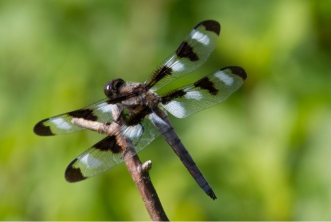
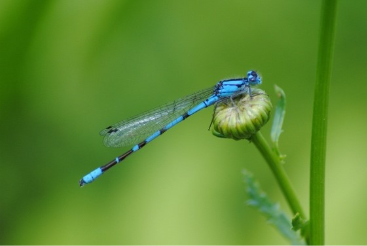
The scientific name Odonata means “toothed ones.” Both suborders of Odonates have a very toothy mandible forming their lower jaw, which they extend out from their face when catching and eating their prey (an action which should be familiar anyone who has seen the movie Alien). Anisoptera means “different wings” in reference to how the hindwings of a dragonfly are larger and have a different shape compared to its forewings. On Damselflies, both sets of wings are the same shape and size and so the suborder is named Zygoptera, meaning “same wings.”]
Much like how an umbrella protects a wide area from rain, protecting the habitat of an umbrella species also protects a wide variety of its neighbors.
Like most insects, dragonflies respond quickly to environmental changes. Scientists studying dragonflies will also quickly notice these changes.
While commonly found in many bodies of water, dragonfly nymphs do not often move between these bodies, enabling scientists to better understand the conditions of their homes without outside interference.
When dragonflies molt to their adult forms, they leave behind a shell-like structure called an exuviae. Collecting exuviae lets scientists easily count how many dragonflies matured to adulthood in a given space.
Depending on the species present, dragonflies can indicate an environment which has either been greatly disturbed by human actions, or one which has experienced almost no impact.
Dragonflies have been studied for a long time, meaning scientists have a lot of information to use when trying to understand changes in their behaviors.
Citizen scientists can easily identify which family a dragonfly belongs to by looking at their adult or nymph forms. Using a guide like this one made by the National Park Service and used as part of their Dragonfly Mercury Project means citizen scientists can quickly become effective and knowledgeable members of a dragonfly-based project.
Land Use Indicators
Mercury Pollution
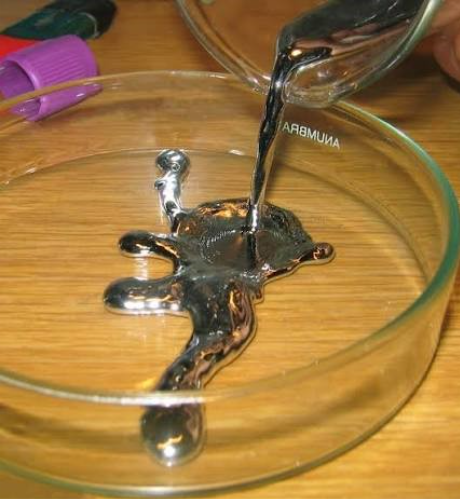
Mercury pollution poses a major health risk to humans and the environment. When ingested, mercury acts as a neurotoxin that damages the brain. High mercury levels can cause behavioral changes and nervous system damage. Other effects include loss of strength, reduced muscle control, respiratory failure, and death. Mercury also bioaccumulates, meaning it builds up in organisms over time. Its concentration can increase as it moves up the food chain, reaching higher levels in predators. Mercury is also one of the most commonly tested and detected harmful elements in humans. Therefore, reliably detecting and measuring mercury concentrations in the environment is important.
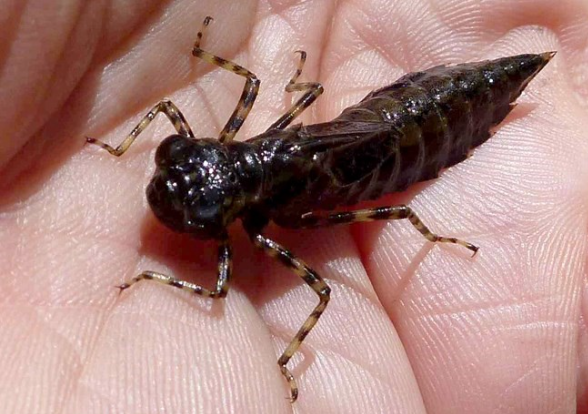
Since 2010, the U.S. The National Park Service has used citizen scientists to collect dragonfly larvae for the Dragonfly Mercury Project. This project aims to measure mercury pollution levels in national parks and landmarks nationwide. Scientists chose dragonflies because they live in many freshwater habitats across the United States. As larvae, they rarely move between bodies of water. They also store mercury in a way that scientists can easily measure. Dragonflies are valuable bioindicator species, and citizen scientists can easily contribute to the research. As a result, the Dragonfly Mercury Project is the largest and longest-running project tracking biological mercury in the United States.
Unlike fish or amphibians, Dragonflies store most of the mercury in their tissues as methylmercury. While other forms of mercury exist, methylmercury is one of the most common forms living organisms ingest and process. As a result, it is also one of the element’s most harmful forms. Mercury levels in dragonfly nymphs also correlated with methylmercury levels in the water and in larger fish. Scientists can accurately measure mercury levels in dragonflies. Using this data, they can estimate how much dangerous methylmercury is likely to be present at higher levels of the food chain. This includes fish species often consumed by humans, which can pass the toxin on when eaten.
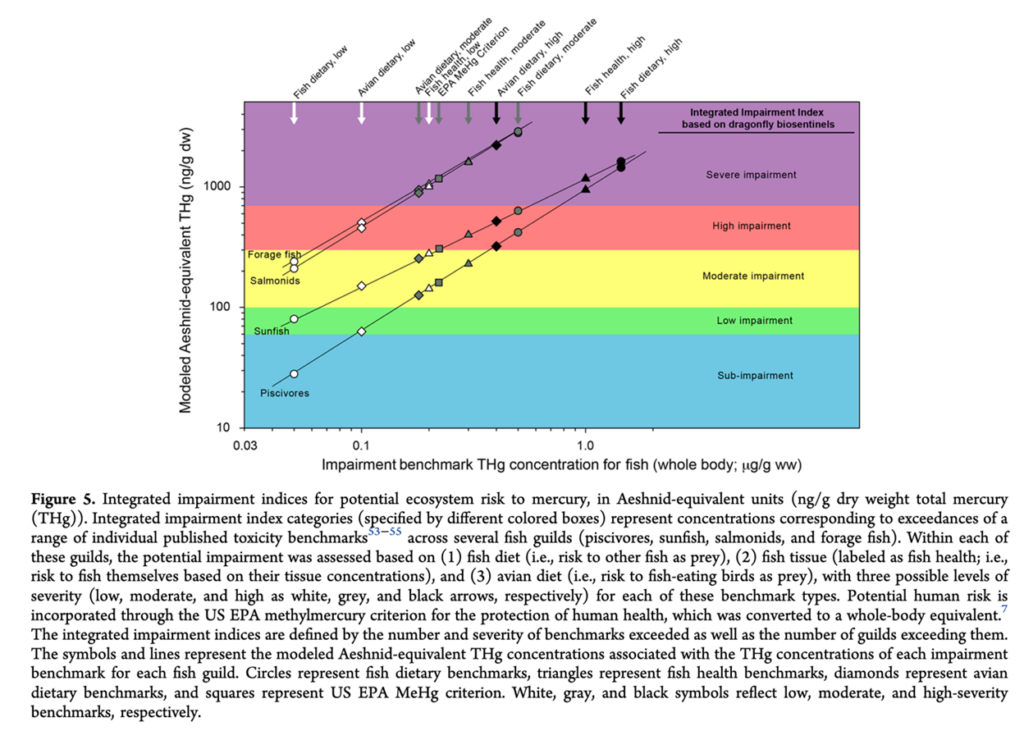
Scientists have also begun experimenting with dragonfly larvae as the first bioindicator species in large-scale mercury isotope tracking. Analyzing specific mercury isotopes in a collected dragonfly larva allows scientists to trace the mercury back to its source. Understanding how mercury enters an environment helps people work to prevent more mercury from polluting waterways. Measuring isotopes in this way is not possible in most species of fish, birds, or mammals due to their movement between different water bodies, where they pick up different isotopes from different points of origin
Agriculture and Pesticides
Odonates also help scientists assess the impacts of agricultural development on their ecosystems. Odonates’ presence is closely related to the quality of surrounding shoreline vegetation. Larger Odonates, like dragonflies, respond fastest to land-use changes, while smaller damselflies provide a reference point for past conditions. The presence or absence of certain species can also indicate how well supposedly sustainable farming practices meet their goals, as some dragonflies disappear immediately from disturbed areas, while others remain and suggest a practice can coexist with the natural world.
Odonate populations can also indicate pesticide impacts on a local environment. While most dragonflies can survive fairly high pesticide concentrations, they are still carnivores and can lose population when pesticides kill their prey, intentionally or not.
Monitoring dragonfly populations in the wild can show how a pesticide behaves outside controlled laboratory conditions. These studies assess impacts in natural environments. They are much harder and less common than lab tests. However, they provide a clearer picture of how the real world responds to human agriculture. Bioindicator species are important because they show how pesticides affect the natural environment. Even pesticides advertised as having “narrow” ranges can impact far more species than intended. Environmental conditions such as weather and heat can also influence a pesticide’s effects. Exposure to other chemicals or pesticides can further change its impact. As a result, a pesticide’s actual effects may differ significantly from its intended effects. Furthermore, insect species do not exist in isolation. Even if a pesticide affects only its target species, losing that species can still affect other insects in the ecosystem.
Climate Change
Speaking of human impacts on the natural world, dragonflies also tell humanity much about the preeminent environmental issue of our times: climate change. Though today Odonate species are found almost everywhere from Alaska to Australia (with one species in particular holding the record for longest flyer on the planet) they originally hail from the tropics. Most dragonfly species still prefer warmer climates, but scientists believed that even dragonfly populations in colder climates could adapt to a warming planet because of their genetic history.
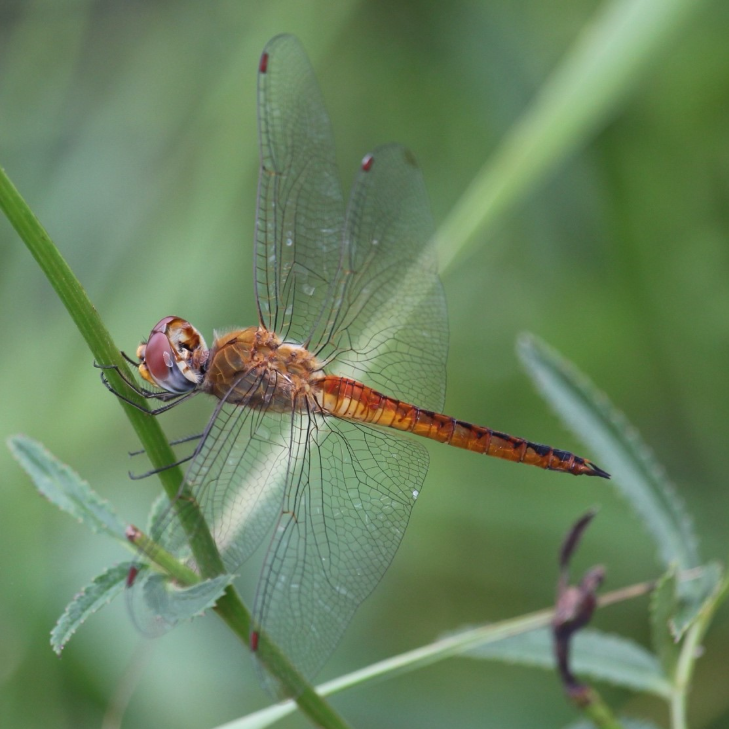
Plantala flavescens can be found on every continent except Antarctica, and has such a high level of genetic similarity all over the globe that it is believed members of the species are regularly able to make cross-continental journeys in order to mate, forming one large intercontinental population
However, dragonflies have not transitioned seamlessly. Higher temperatures can speed development, resulting in smaller adults, and can also put dragonfly populations out of sync with their prey, leading to starvation. Changes in local climates have pushed species with specific ranges to migrate in search of conditions that no longer occur in their native ecosystems, causing native species to vanish from one place while new species establish themselves in another. These impacts, among others, show that the changing climate is moving faster and on a much larger scale than some of the best-suited species can keep up with.
Even when climate change doesn’t cause direct mortality, it can still greatly affect dragonfly populations. In a study by Sarah Nalley and Michael More at the University of Colorado Denver, researchers found that dragonfly species with wing ornamentation had lost almost 25% of their range across the United States solely because of climate change. That number is expected to increase to over 50% in the next forty years.
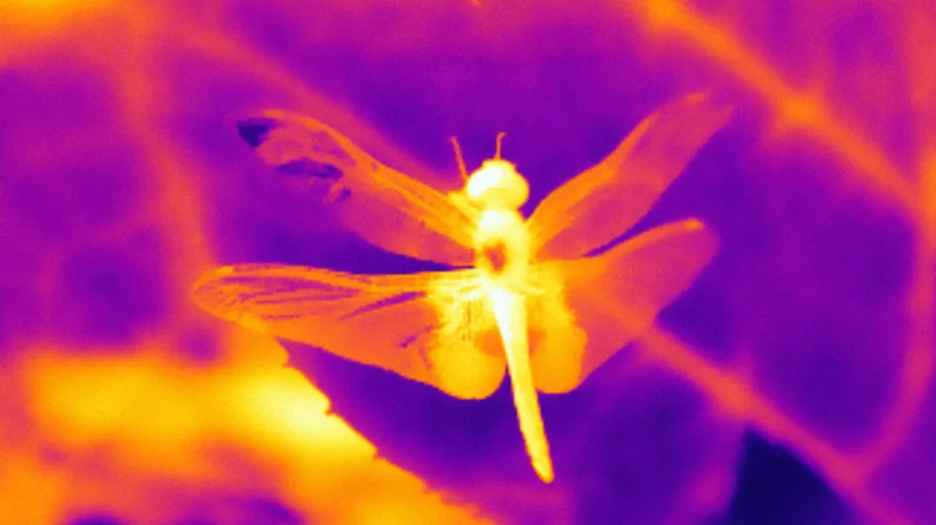
Dragonflies, like many insects, are primarily ectothermic, meaning their body temperature depends on their environment. Dragonflies with black wing ornamentation absorb greater heat than species with white or clear wings, making them more prone to overheating and speeding up their metabolisms. Although temperatures have not yet gotten hot enough to directly kill dragonflies, they are still hot enough to cause heat-related injuries, especially during competitive breeding seasons. Instead of finding mates and laying eggs, heat-stressed dragonflies must spend precious time cooling down by resting in the shade or avoiding competitive displays so their heat-related injuries don’t worsen. So, even though rising temperatures from climate change aren’t directly killing many of these dragonflies, they still threaten extinction for some of the most common species by limiting their ability to produce the next generation.
The Ridges Sanctuary
At The Ridges Sanctuary, we have more than 40 species of Odonates on our property. In addition to the famous, federally endangered Hine’s emerald dragonfly, we also have four species listed as “Most Wanted” by the Wisconsin Dragonfly Society (WDS), two species of special concern in Wisconsin, 5 county records set in our most recent Odonate survey, and nine species with dark wing ornamentation which—while not currently threatened—may become increasingly rare in future years.
Below are a few notable species found within The Ridges.
The protected status of The Ridges Sanctuary also provides an ecological baseline for dragonfly species, letting scientists compare conditions elsewhere with those here. It also protects species that cannot survive in human-disturbed environments.
Making a Difference
Wondering how you can help protect dragonfly populations, either at home or at The Ridges? At The Ridges, you can ask about volunteering opportunities related to our Odontate species or summer road mortality surveys. You can also volunteer with the Water Action Volunteer project to monitor local stream quality.
In your personal life or backyard, a great place to start protecting local species is learning about them. Keep an eye out for dragonflies in the summer! Look for special characteristics on their wings and bodies, where they like to hang around, and what they do. The information you collect can be used to help you look up and identify your local species in a guidebook or online. Once you know who is around you, you can start to consider what they need: do nearby river-dwelling dragonflies need more vegetation along the banks? Is pollution in a nearby lake reducing local populations? Am I using lawn chemicals that might run off into nearby bodies of water? Once you know what is around you, it becomes easier to plan how to protect your local environment.
One thing everyone can do, however, is slow down when driving, especially on roads like County Q that run alongside Hine’s emerald habitats. Dragonflies can avoid cars, but only up until a point. When someone is driving faster than 35 mph, dragonflies can’t get out of the way of an oncoming car or stay in the air when caught in the turbulent air it creates. A dragonfly hit or knocked out of the air is unlikely to recover, so please be aware of your speed, and slow down when driving through areas that you know have local dragonfly populations.
View a Pamphlet on Dragonflies of The Ridges Sanctuary Below:
Sources Consulted
Mercury Pollution
Eagles-Smith, Collin A., et al. “A national-scale assessment of mercury bioaccumulation in United States national parks using dragonfly larvae as biosentinels through a citizen-science framework.” Environmental Science & Technology 54.14 (2020): 8779-8790.
| Janssen, Sarah E., et al. “Geographic drivers of mercury entry into aquatic food webs revealed by mercury stable isotopes in dragonfly larvae.” Environmental Science & Technology 58.30 (2024): 13444. |
Agriculture and Pesticides
Chovanec, Andreas. “Dragonflies (Insecta: Odonata) as indicators of the ecological integrity of aquatic systems–a new assessment approach.” Internationale Vereinigung für theoretische und angewandte Limnologie: Verhandlungen 27.2 (2000): 887-890.
Chovanec, Andreas, and Johann Waringer. “Ecological integrity of river–floodplain systems—assessment by dragonfly surveys (Insecta: Odonata).” Regulated Rivers: Research & Management: An International Journal Devoted to River Research and Management 17.4‐5 (2001): 493-507.
Ribeiro, Cíntia, et al. “Dragonflies (Odonata) as bioindicators of the sustainability of agroforestry systems in the Atlantic Forest.” Aquatic Sciences 87.2 (2025): 49.
Rocha-Ortega, Maya, Pilar Rodríguez, and Alex Córdoba-Aguilar. “Can dragonfly and damselfly communities be used as bioindicators of land use intensification?.” Ecological Indicators 107 (2019): 105553.
Climate Change
Cerini, Francesco, et al. “Long-term shifts in the communities of Odonata: effect of chance or climate change?.” North-Western Journal of Zoology 16.1 (2020): 1.
Hassall, Christopher, and David J. Thompson. “The effects of environmental warming on Odonata: a review.” International Journal of Odonatology 11.2 (2008): 131-153.
Guerra, Daniel, et al. “The impact of environmental pollution on dragonflies and damselflies (Odonata) and the role of climate change as an interactive stressor.” Environmental Toxicology and Chemistry (2026): vgag069.
Nalley, Sarah E., and Michael P. Moore. “Showy dragonflies are being driven extinct by warming and wildfire.” Nature Climate Change 15.10 (2025): 1056-1059.
Assorted
Chovanec, Andreas, and R. Raab. “Dragonflies(Insecta, Odonata) and the ecological status of newly created wetlands– examples for long-term bioindication programmes.” Limnologica 27.3 (1997): 381-392.
Datto-Liberato, Felipe H., et al. “Total environment sentinels: Dragonflies as ambivalent/amphibiotic bioindicators of damage to soil and freshwater.” Science of the total environment 934 (2024): 173110.
May, Michael L. “Odonata: Who they are and what they have done for us lately: Classification and ecosystem services of dragonflies.” Insects 10.3 (2019): 62.
Schmidt, Eberhardt. “Habitat inventarization, characterization and bioindication by a” Representative Spectrum of Odonata Species (RSO)”.” Odonatologica 14.2 (1985): 127-133.