
Nature Notes: Protecting Rare Ecosystems
By Sam Hoffman, Land Manager
There is specific, restrained electricity in the air at The Ridges Sanctuary during these early weeks of spring. To the casual observer, the forest may still look dormant, but as Land Manager, I see a landscape in a state of high-tension readiness. Rarity, by its very definition, commands our attention—but here, it also commands our awe. At The Ridges, we aren’t just protecting a static map of trees and water; we are stewards of a restless, prehistoric, and incredibly rare intersection of life.
A Masterpiece of Glacial Recess
What makes these ecosystems so profoundly rare? The answer lies mainly in the ridge-and-swale topography, a geographic feature so distinct it has earned us a Ramsar designation as a wetland of international importance. As Lake Michigan’s water levels fluctuated over the last 1,400 years, they left behind a series of sandy ridges separated by low, wet swales.
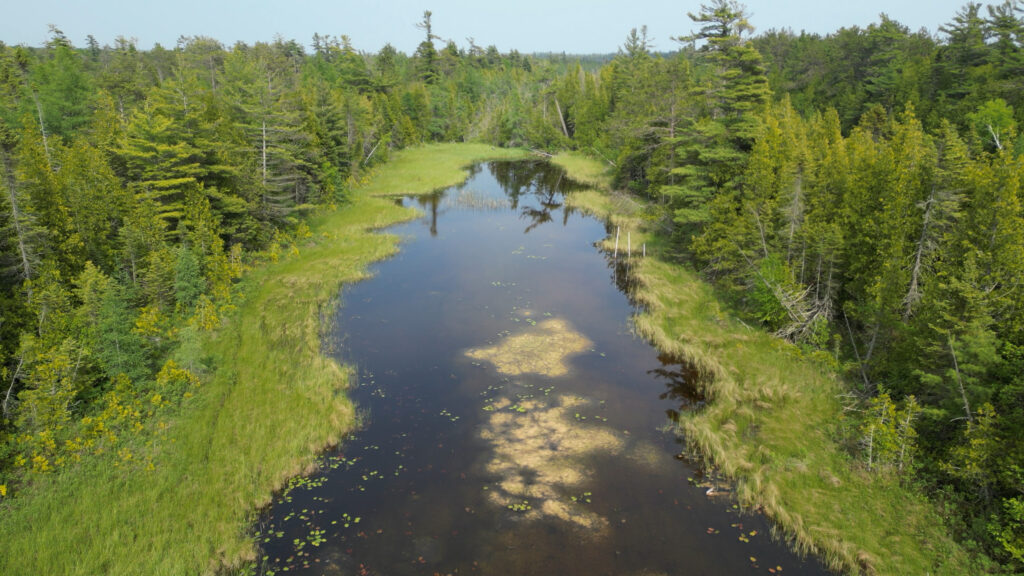
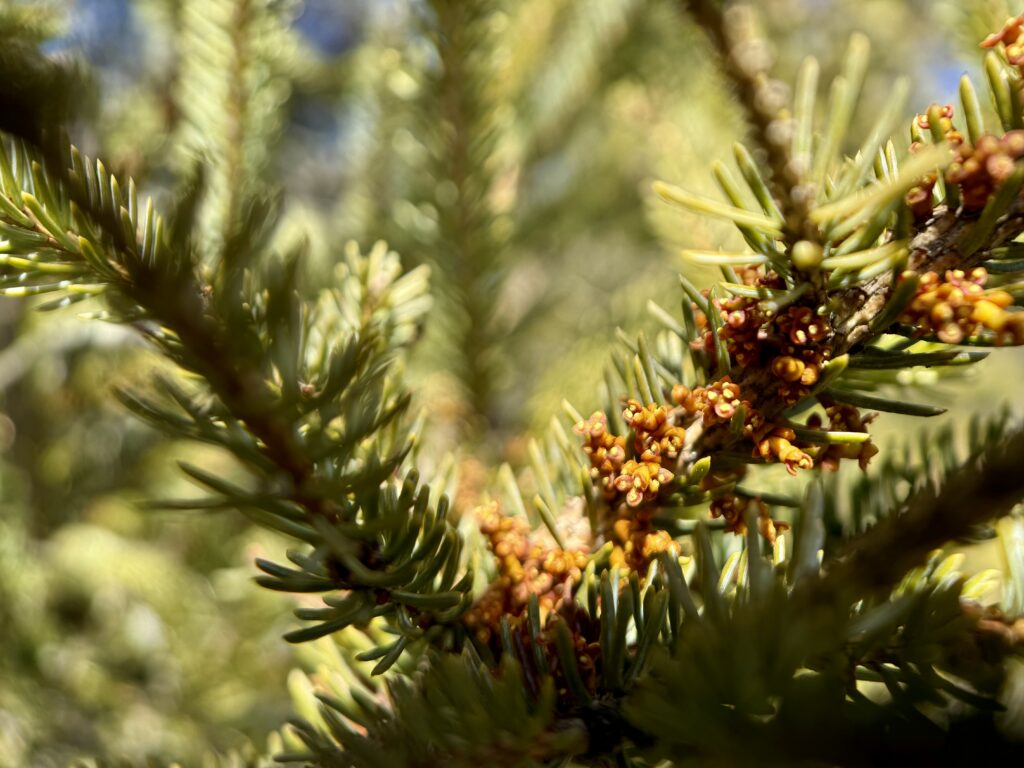
This isn’t just pretty scenery. It is a functional chrono sequence. Each ridge represents a former shoreline, upon which sits a “Southerly Boreal Forest”—a pocket of the cold, northern woods usually found hundreds of miles closer to the Arctic. The cooling influence of Lake Michigan acts as a natural air conditioner, allowing balsam fir and white spruce to thrive alongside species that shouldn’t logically be here.
The Fragility of the Specialist
Because our topography changes every few yards—shifting from a dry, acidic ridge to a saturated, alkaline swale—the Sanctuary supports an exceptional “rare suite of species.” Many of these are biological specialists, and specialists are, by nature, sensitive.
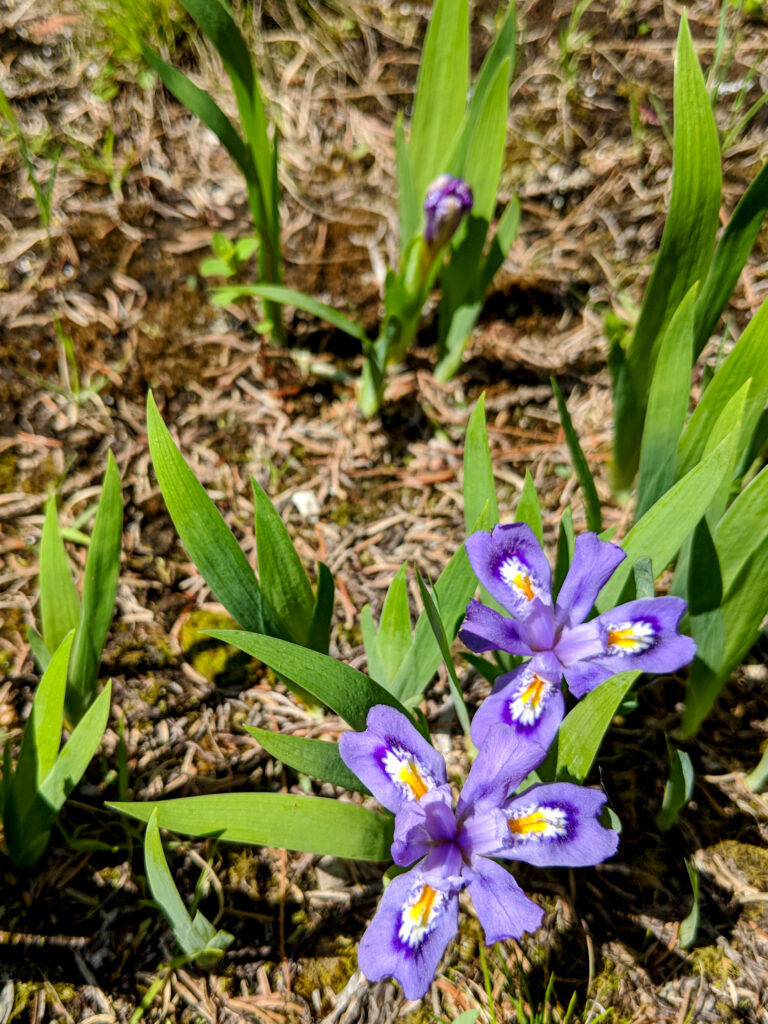
Take, for example, the Dwarf Lake Iris (Iris lacustris). This stunning, thumb-sized wildflower is endemic to the northern Great Lakes shoreline—meaning it grows here and in a few other places. It is a Goldilocks species; it requires very specific light levels found at the edges of our cedar forests and just the right amount of moisture from the lake-cooled air. If the forest canopy becomes too dense or the hydrology of the swale is altered by runoff, the Iris could vanish.
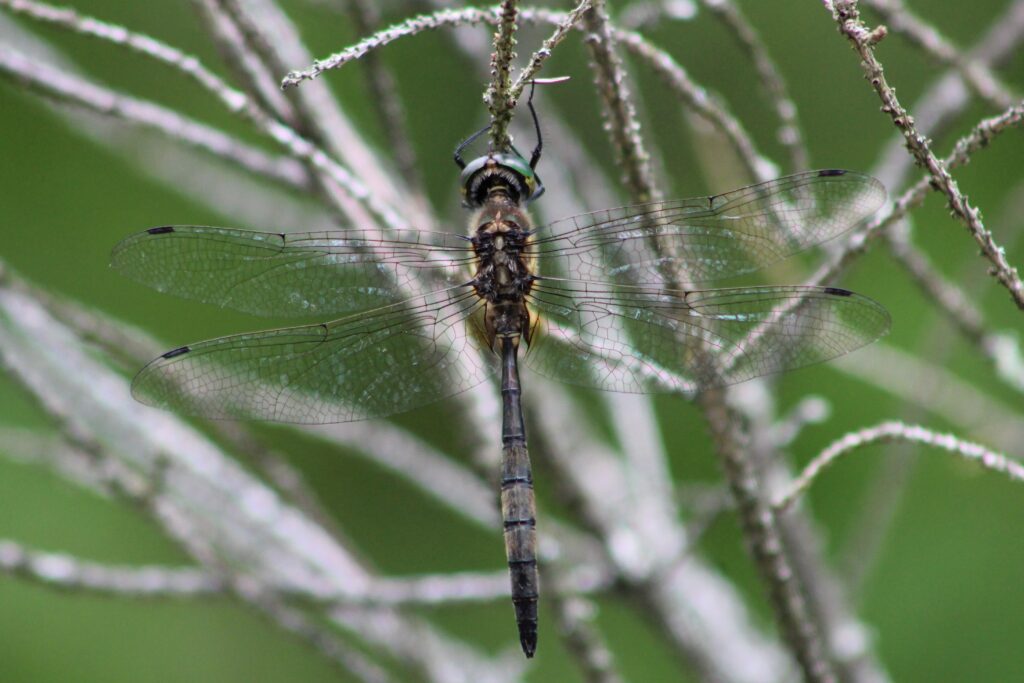
Similarly, the federally endangered Hine’s emerald dragonfly (Somatochlora hineana) relies on the specific chemistry of our calcareous, groundwater-fed swales. These creatures are the “canaries in the coal mine.” Their sensitivity is a reminder that in a rare ecosystem, there is no margin for error. When a habitat is this specialized, a small change in water quality or a single invasive species can have a cascading effect that threatens an entire lineage.
Photo: JD Arnston
A Stewardship Strategy: Active Hope
So, how does The Ridges aim to protect these rare habitats? Designating land for conservation is the first step—preventing the bulldozer is a victory. However, “protection” is an active verb. Even with our 1,700+ acres legally secured, our ecosystems face external threats like climate change and invasive species that don’t respect property lines.
Sometimes, being a good steward means conducting passive management—stepping back and letting the natural cycles of decay and regrowth take the lead. But often, it requires a diligent, active hand. We see this most clearly in our battle against invasive Phragmites. To preserve the health of the sedge meadows where the Hine’s Emerald Dragonfly breeds, we must intervene. This involves the “stewardship tradeoff”: using targeted, aquatic-approved herbicides to eradicate a monoculture that would otherwise swallow our biodiversity. Active management and stewardship is full of these tradeoff-type decisions.
As we look toward the growing season, our management strategy is one of active hope. By continuing to acquire and steward land, we are building buffer space around our core habitats to give our unique ecosystems the best chance they can to stand resilient in the face of current and future environmental pressures.
The Strength of the Sanctuary Community
This work is far too complex for any one person to manage. The “sanctity” of The Ridges is upheld by a dedicated community. Our members and donors provide the resources to acquire critical buffer lands, our Board of Directors provides the long-term vision, and our staff executes the daily science of restoration.
Perhaps most tangibly, our volunteers are the heartbeat of our active management. Whether they are pulling European Marsh Thistle, monitoring water levels, or rebuilding boardwalks, they are the boots on the ground that turn a conservation “plan” into a living reality. This collective effort ensures that 100 years from now, The Ridges Sanctuary remains as vibrant as it was in 1937.
The Spring Awakening
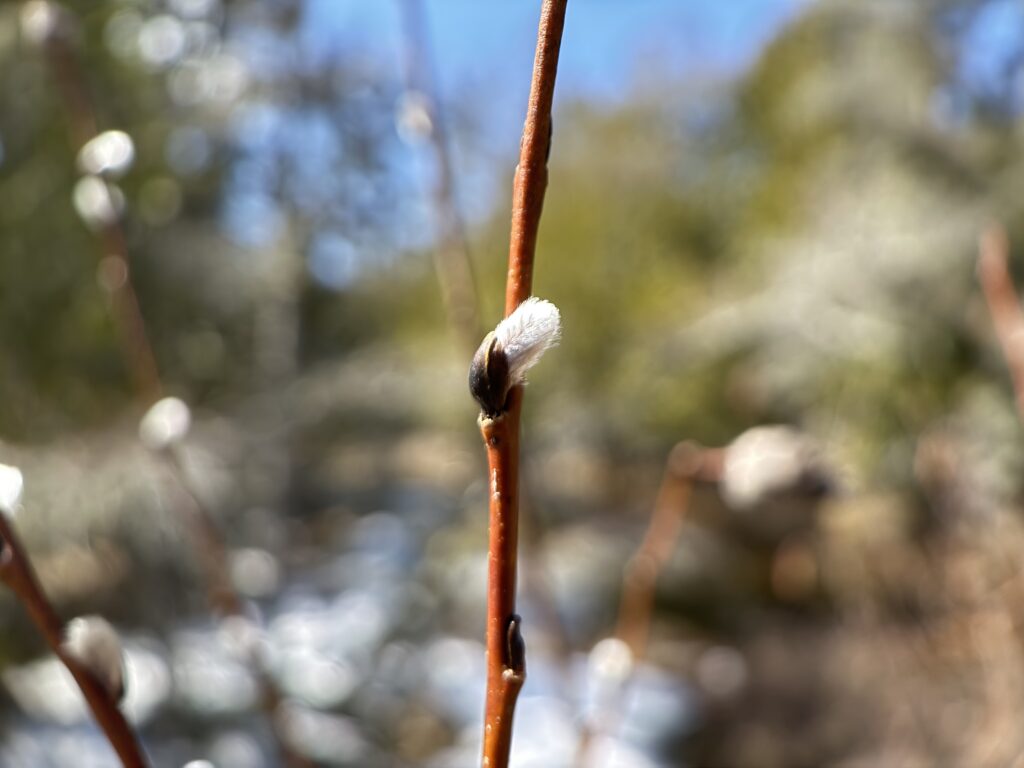
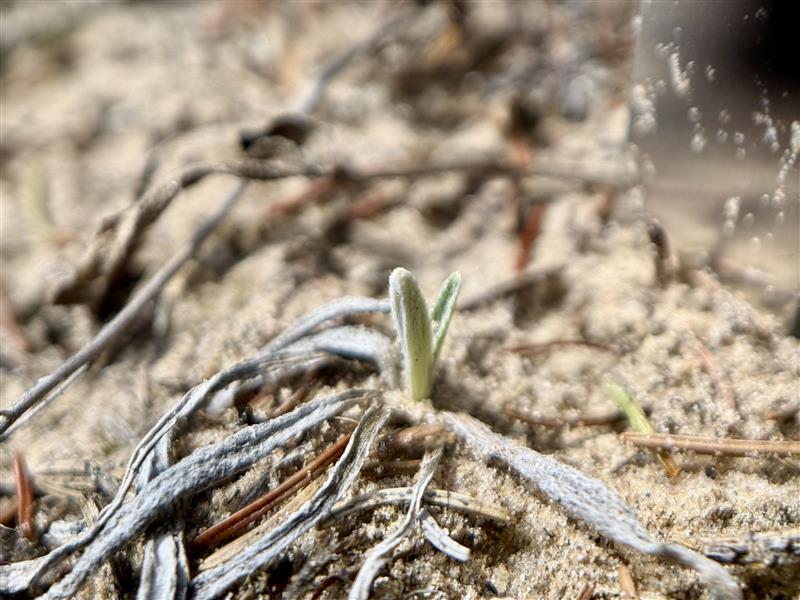
As the snow melts and the first green tips of the Dwarf Lake Iris begin to poke through the needle-litter, the importance of this work feels more urgent than ever. We aren’t just managing a piece of land; we are maintaining a living laboratory of glacial history.
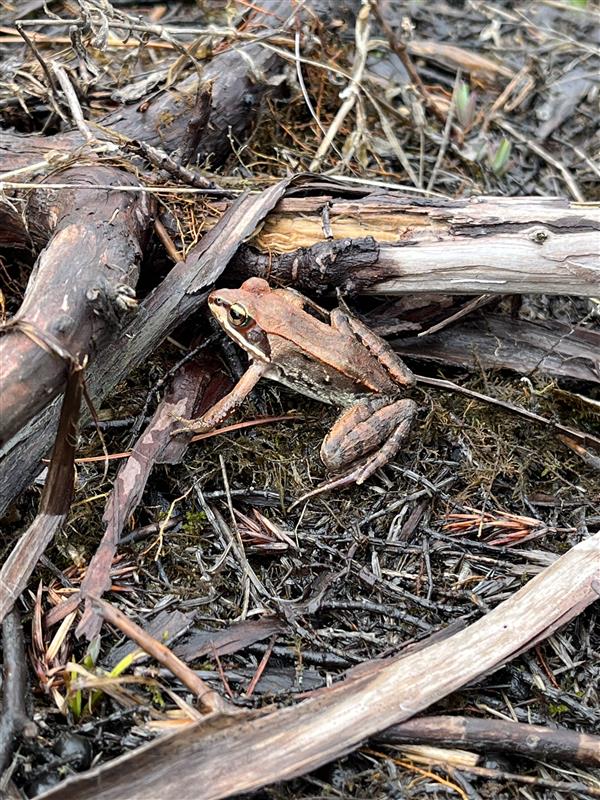
This spring, as you walk the boardwalks, I encourage you to look closely at the “in-between” spaces—the transition from ridge to swale. That tiny strip of land is where some of the rarest life is currently waking up, betting its entire existence on the fact that we will continue to protect its home. It is a responsibility we don’t take lightly, and a miracle we never get tired of witnessing.